

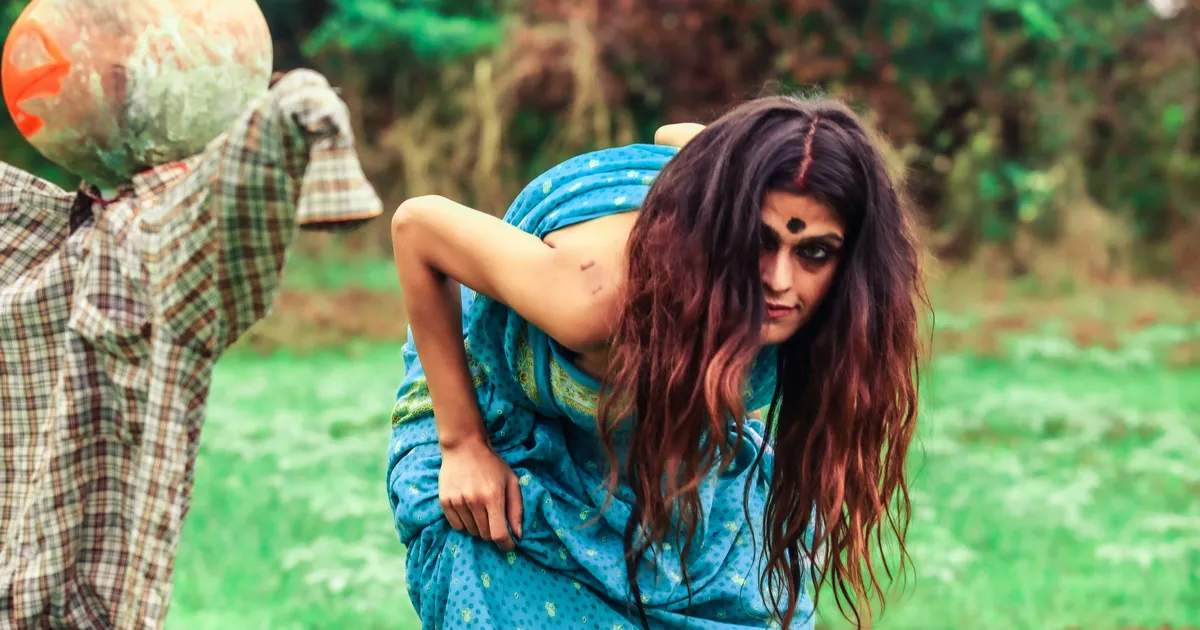
I remember the first time I truly grasped the phenomenon of modern folklore. It wasn’t through a dusty academic text, but scrolling late at night, encountering a story so unsettling and intricately detailed that it felt utterly real. This wasn’t some ancient myth from a faraway land; it was a digital ghost story, born on forums and spread like wildfire through shared links. The speed at which it permeated online consciousness made me wonder: why modern folklore stories go viral so quickly? It’s a fascinating blend of human psychology, technological architecture, and our timeless need for narrative, creating a perfect storm for rapid dissemination that would astound storytellers of yesteryear and continues to evolve even in 2026.
The Power of Participatory Storytelling
Unlike traditional folklore, which often evolves slowly through oral tradition, modern folklore thrives on immediate, collective contribution. Platforms like Reddit, TikTok, and various online forums provide fertile ground for stories to be not just shared, but actively co-created and modified by a vast, dispersed audience. This interactive element transforms passive consumption into an engaging, dynamic experience where every reader can potentially become a contributor, adding their own twists, theories, or even entirely new chapters to an unfolding narrative.
This sense of collective ownership is a powerful accelerant for virality. When individuals feel they have a stake in a story’s development, they are far more likely to share it, advocate for it, and defend its evolving canon. Think of the elaborate fan theories surrounding certain creepypastas or the collaborative world-building that happens around internet mysteries. This isn’t just about reading; it’s about belonging to a community that is actively shaping a shared cultural artifact, fostering a deep investment that drives rapid organic spread across digital landscapes.
Tapping into Universal Fears and Anxieties
Modern folklore stories often resonate so deeply because they skillfully tap into contemporary societal fears and anxieties. Whether it’s the unsettling anonymity of the internet, the pervasive creep of surveillance, the existential dread of climate change, or the subtle unease of rapid technological advancement, these narratives provide a safe, albeit thrilling, space to confront our collective worries. They give form to the formless anxieties that simmer beneath the surface of modern life, allowing us to process complex emotions through engaging, relatable tales.
The shared experience of fear, even a simulated one, can be incredibly bonding. When a story articulates a fear you didn’t even realize you had, or puts words to a vague unease, it creates an instant, powerful connection. This psychological resonance means that people don’t just consume these stories; they feel them, discuss them, and often become evangelists for them, eager to share the unsettling experience with others. This emotional charge is a key ingredient in their explosive virality, prompting extensive sharing and discussion.
The Echo Chamber Effect
Social media algorithms, designed to show us more of what we already engage with, inadvertently act as powerful amplifiers for modern folklore. When a story gains initial traction, whether through shares, likes, or comments, these algorithms kick in, pushing the content to more and more users who have shown similar interests. This creates a self-reinforcing loop, an echo chamber where a story’s reach expands exponentially within receptive communities, making it seem omnipresent and undeniable to those within its sphere.
Low Barrier to Entry and Creative Freedom
The digital age has democratized storytelling, dismantling the traditional gatekeepers of publishing and media production. Now, anyone with an internet connection can craft and disseminate a story, irrespective of their background or resources. This low barrier to entry fuels an explosion of creativity, allowing for diverse voices and unconventional narratives to emerge and find their audience. It’s a true grassroots phenomenon, where originality and resonance matter far more than established credentials or institutional backing.
Furthermore, modern folklore isn’t confined to a single medium. It can manifest as a short story, a series of cryptic tweets, an unsettling image, a found footage video, or even an elaborate Alternate Reality Game (ARG). This creative freedom allows stories to adapt and evolve across different platforms, reaching wider audiences and maintaining engagement through multi-modal storytelling. This adaptability ensures that these narratives can continually find new ways to captivate and spread, cementing their place in the collective consciousness.
The Role of Digital Platforms and Algorithms
It’s impossible to discuss the virality of modern folklore without acknowledging the fundamental role played by today’s digital platforms. Sites like YouTube, TikTok, Reddit, and X (formerly Twitter) are not merely conduits; they are meticulously engineered ecosystems designed for rapid content dissemination and user engagement. Features such as “For You” pages, trending topics, and intuitive sharing mechanisms are perfectly optimized for stories to achieve critical mass incredibly quickly, often within hours or days rather than months or years.
The concept of “shareability” is baked into the very fabric of these platforms. Content that evokes strong emotions—be it fear, amusement, wonder, or outrage—is inherently more likely to be shared, commented on, and discussed. Algorithms prioritize this engagement, pushing high-performing content into wider circulation. This means that a compelling modern folklore story, designed to provoke an emotional response or spark curiosity, is perfectly positioned to be amplified by these digital mechanics, ensuring its rapid spread across vast networks. For an insightful look at how online content spreads, you might find this Wikipedia article on viral phenomena illuminating.
Cultural Resonance and Identity Formation
Modern folklore stories don’t just reflect culture; they actively shape it, often becoming integral parts of online subcultures and communities. They frequently incorporate contemporary memes, slang, and cultural references, making them immediately recognizable and relatable to specific demographics. This cultural embeddedness allows them to serve as a form of shared language, fostering a sense of in-group identity and belonging among those who “get it.”
For many, particularly younger generations, engaging with these stories is a way to explore identity, test boundaries, and connect with like-minded individuals. Sharing a specific creepypasta, participating in an ARG, or discussing a recent internet mystery can be a powerful social signal, indicating shared interests and values. This role in identity formation and community building makes these stories far more than mere entertainment; they become cultural touchstones, actively driving their exponential spread and enduring appeal into 2026 and beyond. A deeper dive into how communities form around shared narratives can be found at sites like Psychology Today.
Key Takeaways
- Modern folklore thrives on participatory storytelling, where collective input and co-creation by online communities drive rapid dissemination and foster a deep sense of ownership among contributors.
- These stories achieve virality by skillfully tapping into universal contemporary fears and anxieties, offering a cathartic outlet for processing societal unease and creating strong emotional connections that compel sharing.
- The low barrier to entry on digital platforms empowers anyone to create and share narratives, leading to an explosion of diverse, creative content that adapts across various media, from text to video.
- Digital platforms are engineered for virality, with algorithms that prioritize engagement and rapidly amplify emotionally resonant content, ensuring modern folklore stories reach vast audiences through “shareability” mechanics.
Frequently Asked Questions
What’s the difference between modern folklore and traditional urban legends?
While both involve cautionary tales or strange occurrences, modern folklore is distinct in its origin and spread. Traditional urban legends often had a localized, oral tradition, evolving slowly. Modern folklore is born digitally, spreads instantaneously online, and often features collaborative, multi-media creation, making it far more dynamic and rapidly evolving.
Do modern folklore stories have a real impact on people?
Absolutely. Beyond entertainment, these stories can influence perception, foster community, and even inspire real-world actions, both positive and negative. They can shape cultural conversations, spark creativity, and in some cases, blur the lines between fiction and reality for susceptible individuals, demonstrating their profound psychological and social impact.
Can modern folklore be used for positive purposes?
Yes, certainly. While often associated with horror, the mechanisms that make modern folklore viral can be harnessed for positive ends. Campaigns promoting social causes, educational narratives, or even public health messages can leverage similar participatory storytelling and digital dissemination techniques to achieve widespread engagement and impact.
How long do modern folklore stories typically remain popular?
The lifespan of a modern folklore story varies widely. Some are fleeting trends, quickly forgotten, while others, like Slender Man or certain creepypastas, achieve enduring cultural significance, evolving and adapting over many years. Their longevity often depends on their adaptability, depth, and continued relevance to evolving societal concerns and online communities.
Conclusion
The rapid virality of modern folklore stories is a testament to the enduring human need for narrative, amplified exponentially by the digital age. It’s a fascinating interplay of psychology, technology, and collective creativity, demonstrating how our shared fears, desires, and the very architecture of our online lives converge to create powerful, rapidly spreading tales. As we move further into 2026, understanding these dynamics becomes crucial, not just for cultural critics, but for anyone seeking to comprehend the ever-evolving landscape of human connection and communication in a hyper-connected world. These stories, whether unsettling or inspiring, remind us that the human imagination, when given a global stage, knows no bounds.