

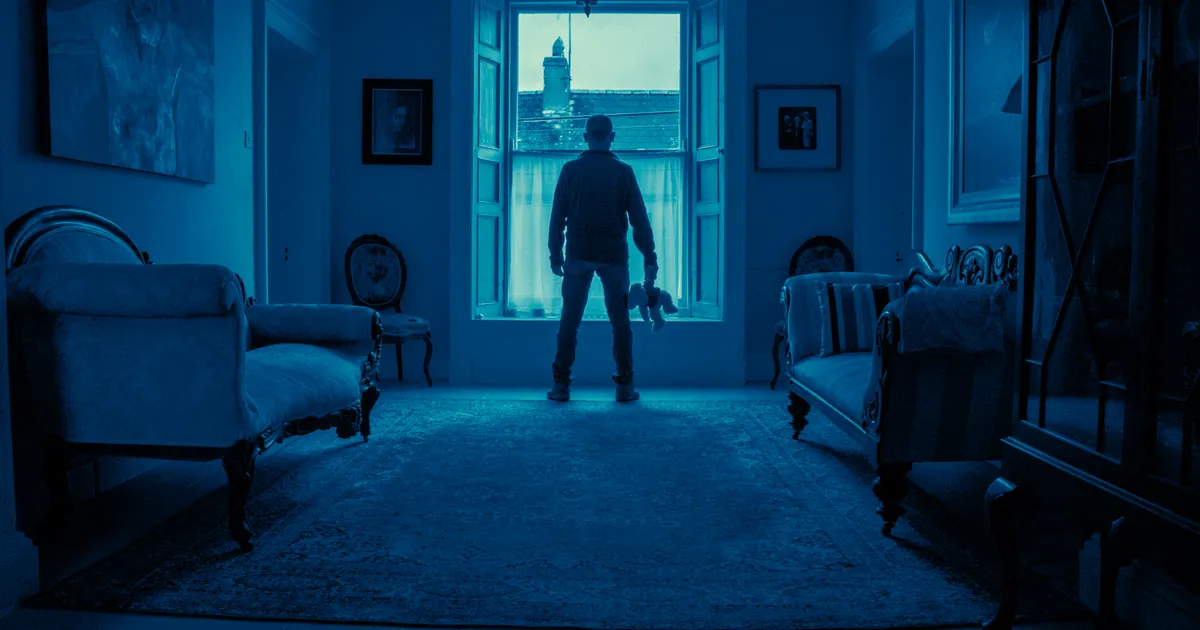
The flickering streetlights, the sudden chill in a warm room, the unmistakable feeling of being watched when no one is there — these are sensations many of us have experienced, pushing us to wonder about the unseen. My own journey into understanding how paranormal investigations work in real life began after a childhood encounter left me questioning the fabric of reality. It wasn’t about seeking spooks; it was about seeking answers, applying a disciplined, often skeptical lens to phenomena that defy conventional explanation. This field, often sensationalized, is in reality a meticulous, often frustrating, yet incredibly rewarding pursuit of the unknown, blending scientific principles with open-minded observation to document and understand what lies beyond our immediate grasp.
Embracing Skepticism: The Investigator’s First Tool
True paranormal investigation begins not with belief, but with a profound commitment to skepticism. Before attributing any anomaly to the supernatural, every conceivable natural explanation must be rigorously explored and ruled out. This means understanding environmental factors like drafts, electromagnetic fields from wiring, infrasound, and even the psychological impact of suggestion on witnesses. A responsible investigator acts as their own primary debunker, meticulously searching for mundane causes for strange occurrences. This critical thinking is paramount, ensuring that any potential evidence gathered stands a chance against scrutiny, rather than being dismissed as mere wishful thinking or imagination.
This scientific approach necessitates a systematic methodology, much like any other field of empirical study. Investigators typically begin with extensive research into the location’s history, interviewing witnesses, and establishing a baseline of normal environmental conditions. This initial phase is crucial for context and helps to identify potential areas of interest or debunk common misconceptions before any equipment is even turned on. Without this foundational work, an investigation risks becoming a fishing expedition, susceptible to confirmation bias and misinterpretation. It’s about building a robust case, brick by painstaking brick, often leading to the conclusion that a “haunting” is simply a leaky pipe or a faulty electrical circuit.
Tools of the Trade: Beyond the Ghost Box
While popular culture often depicts paranormal investigators armed with an array of flashy gadgets, the reality is far more grounded. Core equipment includes electromagnetic field (EMF) meters, used to detect fluctuations in electrical energy, which some theories link to paranormal activity. Digital audio recorders capture electronic voice phenomena (EVPs), elusive voices or sounds not audible at the time of recording. Infrared (IR) and full-spectrum cameras are deployed to capture visual anomalies in varying light conditions, potentially revealing things invisible to the naked eye. These tools are not magic wands; they are data collection instruments, each with specific applications and limitations that a seasoned investigator understands intimately.
Beyond these primary devices, specialized equipment might include environmental sensors for temperature, humidity, and atmospheric pressure, as subtle changes in these factors can sometimes correlate with reported phenomena. Geiger counters are occasionally used to check for unusual radiation levels, though this is less common in typical ghost investigations. The key is to use equipment that measures objective data, allowing for later analysis and comparison. The careful documentation of readings, timestamps, and locations is vital, forming the backbone of any credible investigation. It’s less about the “coolness” of a device and more about its utility in gathering quantifiable information in a controlled manner.
Beyond Gadgets: The Human Element
Despite the reliance on technology, the human element remains irreplaceable in paranormal investigations. Investigators themselves are critical instruments, utilizing their senses to observe subtle changes in temperature, sound, and even their own emotional or physical responses. Active listening, keen observation, and an ability to perceive nuances often missed by technology are crucial. This subjective experience, while harder to quantify, provides qualitative data that can guide the deployment of equipment or suggest areas for further exploration. It’s a delicate balance: trusting one’s instincts while simultaneously seeking objective verification.
On-Site Protocol: The Investigation Process
Once initial research is complete, the on-site investigation typically begins after dark, when ambient noise and human activity are minimal. After a thorough walk-through to establish a mental map and identify potential mundane explanations (like creaking pipes or drafts), investigators set up their equipment. Baseline readings are taken across the location to record normal environmental conditions. The team then conducts controlled sessions, often involving periods of silence, direct questioning, or trigger objects, all while recording with multiple devices. Communication is often minimal during these periods to avoid contamination of audio recordings and to maximize sensory input.
Safety is always a paramount concern, especially in older, potentially dilapidated buildings. Investigators work in teams, maintain communication, and ensure they are aware of their surroundings. Respect for the location, whether it’s a private home or a public historical site, is also non-negotiable. Investigators are guests, and their conduct should reflect professionalism and courtesy, regardless of whether they find evidence or not. This structured approach, from initial setup to the careful packing away of equipment, is designed to maximize the chances of capturing anomalies while minimizing the risk of misinterpretation or accidental damage.
Analyzing the Evidence: What Do We Have?
The real work often begins after leaving the location. Analyzing hours of audio, video, and environmental data is a painstaking process. Audio recordings are meticulously reviewed for EVPs, often requiring noise reduction and amplification. Video footage is scrutinized frame by frame for visual anomalies like orbs (which are often dust or insects), shadows, or unexplained light sources. Environmental data is cross-referenced with reported events to see if any correlations exist. This phase demands patience, a critical eye, and an unwavering commitment to separating genuine anomalies from mundane explanations or equipment malfunctions.
Collaboration and peer review are vital in this stage. Experienced investigators often share their findings with trusted colleagues to gain fresh perspectives and to challenge their own interpretations. What one person might initially classify as an EVP, another might identify as a pareidolic interpretation of background noise. The goal is not simply to “find a ghost,” but to gather data that can withstand rigorous scrutiny. The vast majority of collected data yields no definitive paranormal evidence, a reality that dedicated investigators accept, continuously refining their methods for the next investigation in 2026.
Ethical Considerations and Responsible Practice
Ethical conduct is the bedrock of any reputable paranormal investigation. This involves respecting the privacy of individuals and families who report activity, maintaining confidentiality, and never disclosing sensitive information without explicit consent. It also extends to respecting the locations themselves, especially historical sites, by causing no damage and leaving no trace. Furthermore, investigators have a responsibility to not exploit vulnerable individuals or sensationalize findings for personal gain. The pursuit of understanding should always outweigh the desire for fame or profit, maintaining the integrity of the field.
A truly responsible investigator never fabricates evidence or manipulates data to fit a narrative. The pursuit of truth, however elusive, must be the driving force. This means being transparent about methodologies, acknowledging limitations, and being honest about inconclusive findings. As we look towards advances in technology and understanding in 2026, the commitment to responsible practice will be more important than ever. The field thrives on credibility, and that credibility is built on integrity, respect, and a genuine passion for exploring the mysteries of existence in a thoughtful, measured way.
Key Takeaways
- Skepticism is Paramount: A true paranormal investigator approaches every case with a critical, skeptical mindset, prioritizing the debunking of natural explanations before considering the supernatural.
- Methodology Matters: Investigations are systematic, involving extensive research, witness interviews, baseline readings, and controlled data collection using reliable equipment.
- Technology and Intuition Combined: While equipment like EMF meters and IR cameras gather objective data, human observation, intuition, and sensory input remain crucial for understanding the nuances of an experience.
- Ethical Responsibility: Respect for individuals, locations, privacy, and an unwavering commitment to honesty and transparency are fundamental to credible and responsible paranormal investigation.
Frequently Asked Questions
Is paranormal investigation a science?
While it employs scientific methodologies like data collection, hypothesis testing, and critical analysis, paranormal investigation is not yet recognized as a mainstream science due to the lack of repeatable, empirically verifiable results. It exists at the fringes, striving for scientific rigor in the study of phenomena that often defy current scientific understanding, pushing the boundaries of what can be objectively measured and explained.
What’s the most common “evidence” found?
The most commonly reported “evidence” includes electronic voice phenomena (EVPs), unexplained temperature fluctuations, personal sensory experiences (feelings of presence, touches), and visual anomalies like shadow figures or light phenomena. However, most of these can often be attributed to natural causes, and definitive, irrefutable evidence remains exceedingly rare, making the analysis phase particularly challenging.
Can anyone be a paranormal investigator?
While there are no formal qualifications, a good paranormal investigator needs a blend of critical thinking, patience, technical aptitude, and strong observational skills. More importantly, they must possess a genuine curiosity, a healthy dose of skepticism, and a commitment to ethical practices. It’s a field for those willing to do extensive research, endure long hours, and embrace the high probability of finding nothing conclusive.
What’s the biggest misconception about ghost hunting?
The biggest misconception is that it’s a constant thrill-ride filled with dramatic encounters, as often depicted in entertainment. In reality, most investigations are long, tedious hours of silence, data collection, and meticulous analysis, often yielding no definitive results. It’s far more about patient observation and careful deduction than sensational “ghost busting,” requiring dedication over drama.
Conclusion
The world of paranormal investigation is a fascinating, often misunderstood, journey into the unknown. It’s a pursuit driven by curiosity and a desire to understand phenomena that challenge our current understanding of reality. Far from the sensationalized portrayals, it’s a disciplined endeavor that marries scientific methodology with open-minded observation, demanding rigorous analysis and unwavering skepticism. Ultimately, it’s about pushing the boundaries of what we perceive, always seeking truth, even if that truth means acknowledging the profound mysteries that continue to elude us in 2026 and beyond.