

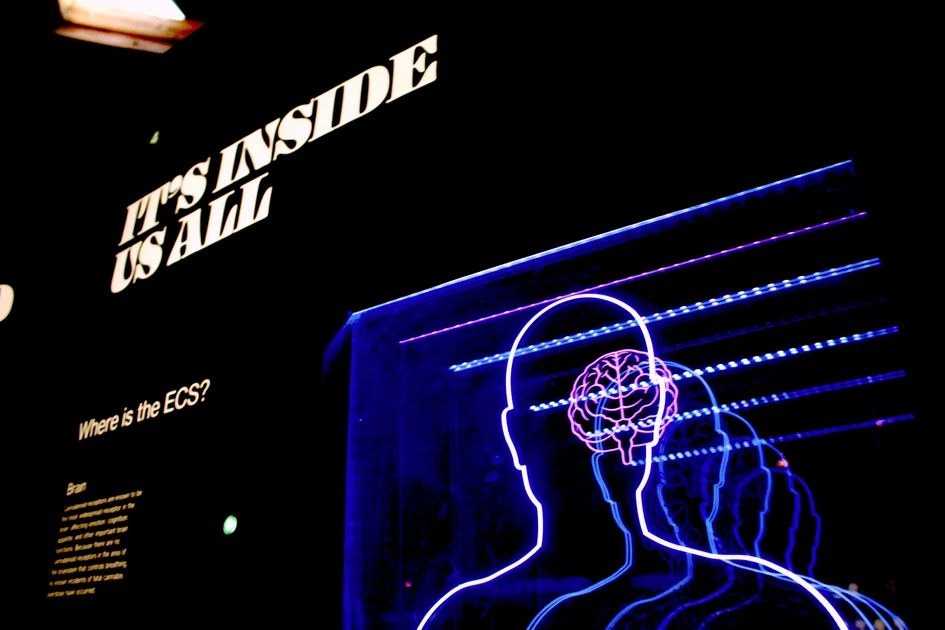
The neuroscience of fear reveals that our perception of the supernatural is rarely a brush with the paranormal, but rather a complex biological response to sensory deprivation and heightened anxiety. In 2026, advanced neuroimaging studies have confirmed that when the human brain is starved of standard sensory input—such as in silent, dark, or isolated environments—it compensates by generating internal imagery. This phenomenon, often mistaken for ghosts or spectral entities, is a survival mechanism gone awry. By priming the amygdala to scan for threats in the absence of data, the brain creates a feedback loop where anxiety fuels hallucination. Understanding these neurological triggers allows us to decode how the brain constructs phantom realities, turning the absence of light and sound into a breeding ground for perceived haunting experiences that feel undeniably authentic to the observer.
The Amygdala and Threat Detection
At the center of this psychological process is the amygdala, a small, almond-shaped cluster of nuclei deep within the temporal lobes. This region serves as the brain’s alarm system, constantly scanning the environment for potential dangers. When an individual enters a state of high anxiety, the amygdala becomes hyper-responsive, lowering the threshold required to trigger a fight-or-flight response. Even in benign settings, a racing heart or shallow breathing can mimic the physiological states associated with genuine peril, tricking the brain into believing a threat is imminent. This is a primary driver of why people report supernatural sightings in high-stress, low-stimulus environments.
Once the amygdala is primed, the prefrontal cortex—the part of the brain responsible for rational thought—often struggles to override the emotional surge. In 2026, research from the Neuroscience Research Institute indicates that this disconnect between emotional processing and executive function is exacerbated by sensory deprivation. When the brain lacks external stimuli to confirm reality, it relies on internal predictions. If the individual is already anxious, those predictions lean toward negative, dangerous, or supernatural outcomes. Essentially, the brain fills the void of silence and darkness with its own worst-case scenarios, manifesting as auditory or visual anomalies that lack any physical foundation in the material world.
Sensory Deprivation Effects
Sensory deprivation, often experienced in “haunted” locations like basements, isolated woods, or windowless rooms, effectively starves the visual and auditory cortices. Without consistent input, the brain begins to exhibit spontaneous activity, attempting to normalize the lack of information. This leads to pareidolia, the psychological tendency to see patterns, faces, or figures in random noise or shadows. In total darkness, even the microscopic movements of the eye or minor physiological fluctuations can be interpreted by the visual cortex as movement or shadowy silhouettes, leading to the classic “shadow person” sighting.
Auditory Hallucinations and Infrasound
Beyond visual distortions, sensory deprivation often manifests through auditory phenomena. The brain’s auditory system is highly sensitive to rhythmic patterns, and when isolated, it may amplify internal sounds like blood flow or distant ambient vibrations. Furthermore, environmental factors such as infrasound—low-frequency sound waves below the range of human hearing—can induce feelings of dread, pressure in the chest, and visual blurring. These vibrations, often caused by industrial machinery or wind passing through structural gaps, interact directly with the human vestibular system, creating a physical sensation of being watched or feeling an “unseen” presence nearby.
Comparison of Sensory Triggers
| Trigger Factor | Mechanism | Resulting Perception | Psychological Impact |
|---|---|---|---|
| Darkness | Visual Pattern Filling | Shadow Figures | Increased Hypervigilance |
| Infrasound | Vestibular Resonance | Dread/Unease | Physical Discomfort |
| Silence | Auditory Compensation | Whispers/Footsteps | Cognitive Priming |
| Isolation | Social Anxiety Loop | Presence Sensing | Heightened Paranoia |
| Cold Spots | Thermal Contrast | Spectral Chill | Fight-or-Flight Response |
Pros and Cons Analysis
Understanding the neuroscience of fear provides a balanced perspective on why we experience these phenomena. One significant benefit is the reduction of genuine terror; when an individual recognizes their brain is merely responding to sensory deprivation, the “supernatural” threat is demystified, leading to lower anxiety levels. This knowledge empowers individuals to manage their environment by adding light or sound, effectively neutralizing the triggers for phantom sightings. By relying on established scientific frameworks, we move away from fear-based superstitions and toward a more evidence-based understanding of human consciousness and perception during states of extreme isolation or stress.
Conversely, a potential drawback to this analytical approach is the loss of the “wonder” often associated with paranormal experiences. For many, the belief in the supernatural provides a sense of mystery or connection to something beyond the mundane. By reducing these sightings to purely biochemical events, some argue that we are stripping away an important aspect of the human experience that has existed for millennia. Furthermore, dismissing these sightings as mere hallucinations can lead to the marginalization of those who experience profound, non-pathological phenomena, potentially ignoring real environmental factors that, while not supernatural, may still warrant investigation for safety or health reasons.
The Role of Expectation
Expectation bias plays a critical role in the neuroscience of fear. If a person enters a location with the preconceived notion that it is haunted, their brain is essentially “pre-programmed” to interpret neutral stimuli as evidence of the paranormal. This confirmation bias forces the brain to ignore contradictory information while hyper-focusing on any data point that supports the existing belief. In 2026, social media and digital folklore have accelerated this phenomenon, creating a feedback loop where shared expectations of specific locations shape the neurological responses of visitors. The brain is an expert at fulfilling our expectations, especially when those expectations are tied to survival-based emotional responses.
This bias is reinforced by the brain’s predictive processing model. The brain does not simply record reality; it predicts it based on past experiences and current context. If the context is a “haunted house,” the brain predicts that it should see or hear something unusual. When these predictions are met with minor, unexplained sounds or movements, the brain treats them as validation of the supernatural. This process is so seamless that the individual is often unaware that they are essentially co-authoring their own paranormal experience. Through the lens of neuroscience, the ghost is not an external entity, but a projection of the observer’s own internal model of reality.
Neurobiology of Belief
Belief systems themselves have a biological footprint. Studies on the neurobiology of belief suggest that the same neural circuits involved in evaluating social threats are also involved in forming spiritual or supernatural convictions. When someone is in a state of high anxiety, their brain may turn to these pre-existing belief structures to provide a framework for what they are experiencing. This provides a sense of control; naming an entity “a ghost” is often less terrifying than admitting that one’s own brain is malfunctioning or that the cause of the fear is unknown. It is a psychological coping mechanism that turns chaos into a recognizable, albeit frightening, narrative.
Furthermore, the neurotransmitter dopamine has been linked to pattern recognition and belief. High levels of dopamine are associated with an increased tendency to find meaning in random stimuli, a state known as hyper-salience. During periods of extreme stress or sleep deprivation, dopamine levels can fluctuate, potentially contributing to the vividness of the perceived supernatural experience. This explains why many such sightings occur at night or during periods of prolonged fatigue. The combination of chemical fluctuations and environmental triggers creates a perfect storm for the manifestation of experiences that feel deeply, undeniably real to the individual at the time.
Key Takeaways
- The amygdala acts as a primary alarm system that triggers fear responses even when no objective threat is present.
- Sensory deprivation forces the brain to fill gaps in data with internal imagery, often resulting in visual hallucinations.
- Expectation bias and predictive processing ensure that we see what we are primed to believe, especially in “haunted” settings.
- Environmental factors like infrasound can create physical sensations of dread that the brain then attributes to external entities.
- Understanding these neurological mechanisms allows for the demystification of supernatural sightings through scientific literacy.
- Dopamine-driven pattern recognition contributes to how we interpret random noise as meaningful, ghost-like phenomena.
Frequently Asked Questions
Why do people only see ghosts in the dark?
Darkness limits visual input, triggering the brain to use its predictive models to fill in the blanks. Without sufficient light to disprove our internal projections, our brain assumes the worst-case scenario, leading to sightings of phantom figures.
Can infrasound really make someone feel a presence?
Yes, low-frequency sound waves can cause physiological reactions, including heart palpitations and feelings of pressure. These sensations are often interpreted by the brain as an external, invisible presence, such as a ghost or spirit.
Is it possible to hallucinate without having a mental illness?
Absolutely. Under conditions of extreme stress, isolation, or sleep deprivation, the healthy brain can produce transient hallucinations. This is a normal, if uncomfortable, biological response to sensory or emotional overload.
How does expectation bias influence supernatural sightings?
Expectation bias creates a cognitive filter. If you believe a place is haunted, your brain hyper-focuses on ambiguous noises or movements, automatically categorizing them as paranormal while ignoring natural explanations for the same events.
Can neuroscience explain why hauntings feel so real?
Yes, the brain uses the same neural pathways to process “real” sensory input and “hallucinated” input. Because the brain cannot easily distinguish between the two during high-anxiety states, the hallucination feels as authentic as any physical experience.
Conclusion
The neuroscience of fear offers a compelling explanation for the enduring human fascination with the supernatural. By examining the roles of the amygdala, sensory deprivation, and predictive processing, we see that what we label as “haunted” is often a reflection of our internal biological states. As we continue to advance our understanding of the brain in 2026, the mystery of the supernatural is being replaced by the wonder of human perception. Recognizing these triggers is not about dismissing our experiences, but about appreciating the incredible, complex ways our minds strive to make sense of an uncertain world.