

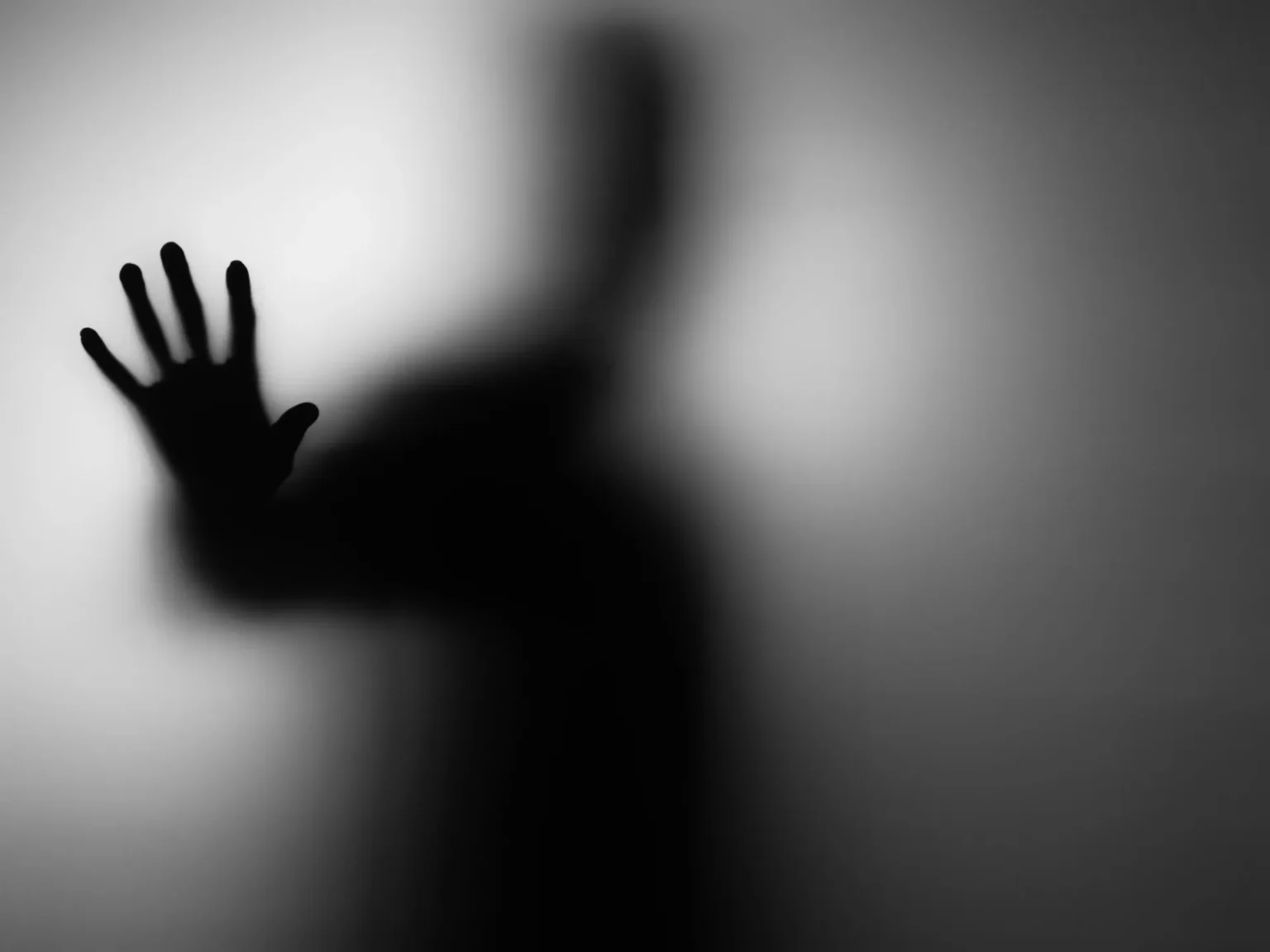
Scientific explanations for common ghostly sightings and apparitions have been a topic of interest in 2026, with many researchers attempting to debunk the paranormal claims. Despite the widespread belief in ghosts, there is no empirical evidence to support the existence of supernatural entities. Instead, scientists have proposed various natural explanations for the phenomenon, including psychological, neurological, and environmental factors. According to a study published in the Journal of Cognitive Psychology, the human brain is wired to recognize patterns, which can lead to the misinterpretation of natural phenomena as ghostly apparitions. For more information on the psychology of ghost sightings, visit the American Psychological Association website.
Introduction to Ghosts
The concept of ghosts has been around for centuries, with many cultures believing in the existence of supernatural entities that can interact with the living. However, from a scientific perspective, there is no evidence to support the existence of ghosts. Instead, researchers have proposed various explanations for ghostly sightings, including the power of suggestion, the influence of emotions, and the impact of environmental factors.
A study published in the Journal of Parapsychology found that people who believe in ghosts are more likely to experience ghostly encounters. This suggests that the power of suggestion plays a significant role in shaping our perceptions of reality. Additionally, the influence of emotions, such as fear and anxiety, can also contribute to the misinterpretation of natural phenomena as ghostly apparitions.
Psychological Explanations
Psychological explanations for ghostly sightings include the concept of apophenia, which refers to the tendency to perceive patterns or meaning in random or meaningless data. This can lead to the misinterpretation of natural phenomena, such as shadows or strange noises, as ghostly apparitions. Furthermore, the power of suggestion can also play a significant role in shaping our perceptions of reality, with people who believe in ghosts being more likely to experience ghostly encounters.
According to a study published in the Journal of Cognitive Psychology, the human brain is wired to recognize patterns, which can lead to the misinterpretation of natural phenomena as ghostly apparitions. This can be attributed to the brain’s tendency to fill in gaps in perception, creating a complete picture from incomplete information. For more information on the cognitive biases that contribute to ghost sightings, visit the Science Daily website.
Neurological Explanations
Neurological explanations for ghostly sightings include the concept of hallucinations, which can be caused by a variety of factors, including neurological disorders, sensory deprivation, and certain medications. Additionally, the brain’s default mode network, which is responsible for introspection and self-reflection, can also contribute to the experience of ghostly apparitions.
A study published in the journal Neurocase found that people who experience hallucinations, including ghostly apparitions, tend to have altered activity in the default mode network. This suggests that the brain’s default mode network plays a significant role in shaping our perceptions of reality, and can contribute to the experience of ghostly apparitions. For more information on the neuroscience of ghost sightings, visit the Nature website.
Hallucinations
Hallucinations are a common feature of many neurological disorders, including schizophrenia, epilepsy, and Alzheimer’s disease. They can also be caused by sensory deprivation, such as isolation or darkness, and certain medications, such as antidepressants and antipsychotics.
Environmental Explanations
Environmental explanations for ghostly sightings include the concept of infrasound, which refers to sound waves with frequencies below 20 Hz. These sound waves can cause a variety of effects, including vibrations, rattling, and even hallucinations. Additionally, the presence of certain environmental toxins, such as carbon monoxide, can also contribute to the experience of ghostly apparitions.
A study published in the Journal of the Acoustical Society of America found that infrasound can cause a variety of effects, including anxiety, fear, and even hallucinations. This suggests that environmental factors, such as infrasound, can play a significant role in shaping our perceptions of reality, and can contribute to the experience of ghostly apparitions.
Conclusion and Key Takeaways
In conclusion, scientific explanations for common ghostly sightings and apparitions have been a topic of interest in 2026, with many researchers attempting to debunk the paranormal claims. While there is no empirical evidence to support the existence of supernatural entities, various natural explanations, including psychological, neurological, and environmental factors, have been proposed.
Key Takeaways
- Ghostly sightings can be attributed to psychological factors, such as apophenia and the power of suggestion.
- Neurological factors, such as hallucinations and altered activity in the default mode network, can also contribute to the experience of ghostly apparitions.
- Environmental factors, such as infrasound and environmental toxins, can play a significant role in shaping our perceptions of reality.
- The human brain is wired to recognize patterns, which can lead to the misinterpretation of natural phenomena as ghostly apparitions.
- Research in 2026 has made significant progress in understanding the scientific explanations for ghostly sightings and apparitions.
Frequently Asked Questions
What are ghostly sightings?
Ghostly sightings refer to the experience of perceiving supernatural entities, such as ghosts or spirits, that are believed to be present in a particular location or environment.
Are ghostly sightings real?
There is no empirical evidence to support the existence of supernatural entities, and ghostly sightings can be attributed to various natural explanations, including psychological, neurological, and environmental factors.
What are the psychological explanations for ghostly sightings?
Psychological explanations for ghostly sightings include the concept of apophenia, the power of suggestion, and the influence of emotions, such as fear and anxiety.
What are the neurological explanations for ghostly sightings?
Neurological explanations for ghostly sightings include the concept of hallucinations, altered activity in the default mode network, and the impact of certain medications or neurological disorders.
Can environmental factors contribute to ghostly sightings?
Yes, environmental factors, such as infrasound, environmental toxins, and sensory deprivation, can play a significant role in shaping our perceptions of reality and contributing to the experience of ghostly apparitions.
Conclusion
In conclusion, scientific explanations for common ghostly sightings and apparitions have been a topic of interest in 2026, with many researchers attempting to debunk the paranormal claims. By understanding the various natural explanations for ghostly sightings, including psychological, neurological, and environmental factors, we can gain a deeper insight into the human experience and the complex factors that shape our perceptions of reality.