

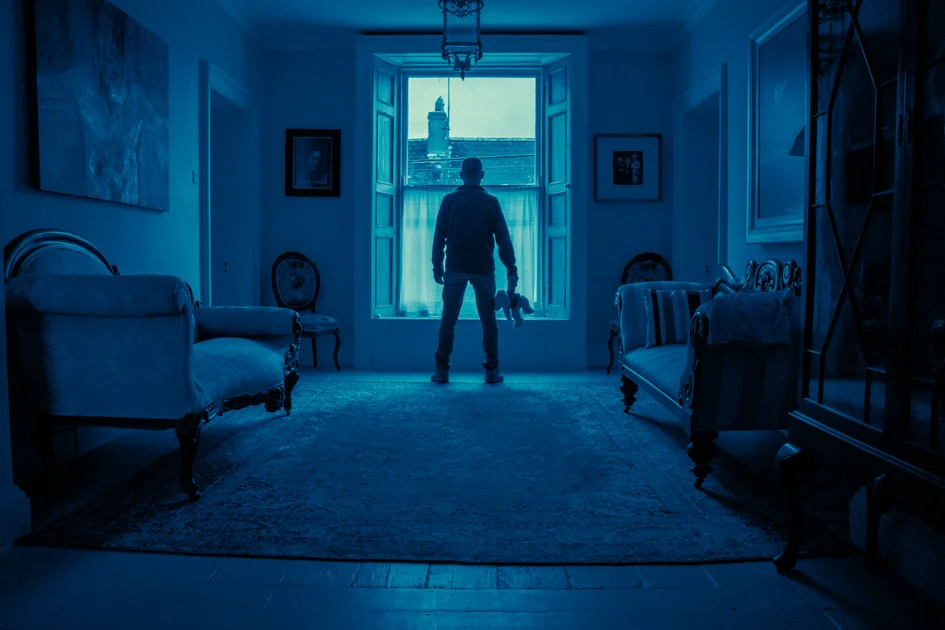
Paranormal activity has been a topic of fascination for many, with numerous ghost investigations taking place in 2026. As a result, science has been called upon to provide explanations for these seemingly inexplicable events. By analyzing real-life ghost investigations, we can gain a better understanding of what science really says about paranormal activity. From equipment used to investigate ghostly encounters to the psychological factors that contribute to these experiences, there is a wealth of information available. According to a study published in the National Center for Biotechnology Information, paranormal activity can be attributed to a variety of factors, including environmental and psychological influences.
Ghost Investigations
Ghost investigations typically involve a team of individuals equipped with various tools and equipment, such as electromagnetic field meters and infrared cameras. These tools are used to detect and measure any unusual activity that may be occurring in a given location. However, it is essential to note that the majority of ghost investigations are conducted by amateur groups, and as such, the results may not always be reliable or scientifically valid. The Psychology Today website provides valuable insights into the psychology behind ghost sightings.
Despite the potential flaws in ghost investigations, they can still provide valuable insights into the phenomenon of paranormal activity. By examining the data collected during these investigations, scientists can identify patterns and correlations that may help to explain the causes of ghostly encounters. Furthermore, ghost investigations can also serve as a catalyst for further research into the field of parapsychology, which seeks to understand the nature of consciousness and the human experience.
Evidence and Data
The evidence and data collected during ghost investigations are often anecdotal and based on personal experiences. While these accounts can be intriguing, they are not always supported by empirical evidence. As such, scientists rely on more objective measures, such as audio and video recordings, to gather data on paranormal activity. The use of technology, such as spectroscopy, has greatly enhanced our ability to collect and analyze data in this field.
One of the challenges in collecting data on paranormal activity is the lack of a universally accepted definition of what constitutes a ghostly encounter. This can make it difficult to compare and contrast data from different investigations, as well as to develop a comprehensive understanding of the phenomenon. However, by using a standardized approach to data collection and analysis, scientists can begin to identify trends and patterns that may shed light on the nature of paranormal activity.
Investigation Techniques
There are various techniques used in ghost investigations, including surveillance, interviews, and equipment-based measurements. Each of these techniques has its own strengths and limitations, and they are often used in combination to gather a more comprehensive understanding of a given location. By using a combination of these techniques, investigators can begin to piece together the underlying causes of paranormal activity.
Comparison Table / Specifications Table
The following table compares the features and specifications of various ghost hunting equipment:
| Feature | Option A | Option B | Notes |
|---|---|---|---|
| Electromagnetic Field Meter | K-II Meter | Trifield Meter | Used to measure electromagnetic fields |
| Infrared Camera | Full-Spectrum Camera | Thermal Imaging Camera | Used to capture images in low-light environments |
| Digital Audio Recorder | Zoom H5 | Tascam DR-40 | Used to capture audio evidence of paranormal activity |
| Motion Detector | P_IR Motion Detector | Ultrasonic Motion Detector | Used to detect movement in a given area |
| Laser Grid | Green Laser Grid | Red Laser Grid | Used to detect movement and anomalies in a given area |
Pros and Cons Analysis
The use of ghost hunting equipment has both pros and cons. On the one hand, this equipment can provide valuable insights into the nature of paranormal activity, as well as help to identify potential causes of ghostly encounters. On the other hand, the use of this equipment can also be misleading, as it can be prone to false positives and misinterpretation.
One of the primary pros of using ghost hunting equipment is that it can provide a sense of objectivity and quantification to what is often a subjective experience. By using equipment to measure and detect paranormal activity, investigators can begin to develop a more comprehensive understanding of the phenomenon. However, it is essential to approach the use of this equipment with a critical and nuanced perspective, recognizing both its potential benefits and limitations.
Psychological Factors
Psychological factors play a significant role in ghostly encounters, as they can influence an individual’s perception and interpretation of paranormal activity. For example, the power of suggestion and the influence of expectation can both contribute to the experience of ghostly encounters. Additionally, psychological factors such as anxiety, stress, and fatigue can also increase an individual’s susceptibility to paranormal experiences.
It is essential to consider the psychological factors that contribute to ghostly encounters, as they can provide valuable insights into the underlying causes of paranormal activity. By examining the psychological and social context in which ghostly encounters occur, scientists can begin to develop a more comprehensive understanding of the phenomenon. The American Psychological Association provides valuable resources and information on the psychology behind paranormal experiences.
Key Takeaways
- Ghost investigations can provide valuable insights into the phenomenon of paranormal activity
- The use of ghost hunting equipment can be both beneficial and misleading
- Psychological factors play a significant role in ghostly encounters
- The power of suggestion and the influence of expectation can contribute to the experience of ghostly encounters
- Further research is needed to fully understand the nature of paranormal activity
- The use of technology, such as spectroscopy, has greatly enhanced our ability to collect and analyze data in this field
Frequently Asked Questions
What is a ghostly encounter?
A ghostly encounter is an experience in which an individual perceives or interacts with a ghost or other paranormal entity.
What causes ghostly encounters?
The causes of ghostly encounters are not fully understood, but they are thought to be the result of a combination of psychological, social, and environmental factors.
How can I investigate a ghostly encounter?
To investigate a ghostly encounter, it is essential to approach the experience with a critical and nuanced perspective, considering both the psychological and environmental factors that may have contributed to the encounter.
What equipment is used in ghost investigations?
A variety of equipment is used in ghost investigations, including electromagnetic field meters, infrared cameras, digital audio recorders, motion detectors, and laser grids.
Is ghost hunting equipment reliable?
The reliability of ghost hunting equipment can vary, and it is essential to approach the use of this equipment with a critical and nuanced perspective, recognizing both its potential benefits and limitations.
Conclusion
In conclusion, the study of paranormal activity is a complex and multifaceted field, and there is still much to be learned about the nature of ghostly encounters. By analyzing real-life ghost investigations and considering the psychological and environmental factors that contribute to these experiences, scientists can begin to develop a more comprehensive understanding of the phenomenon. As we move forward in 2026, it is essential to approach this field with a critical and nuanced perspective, recognizing both the potential benefits and limitations of ghost hunting equipment and techniques.