

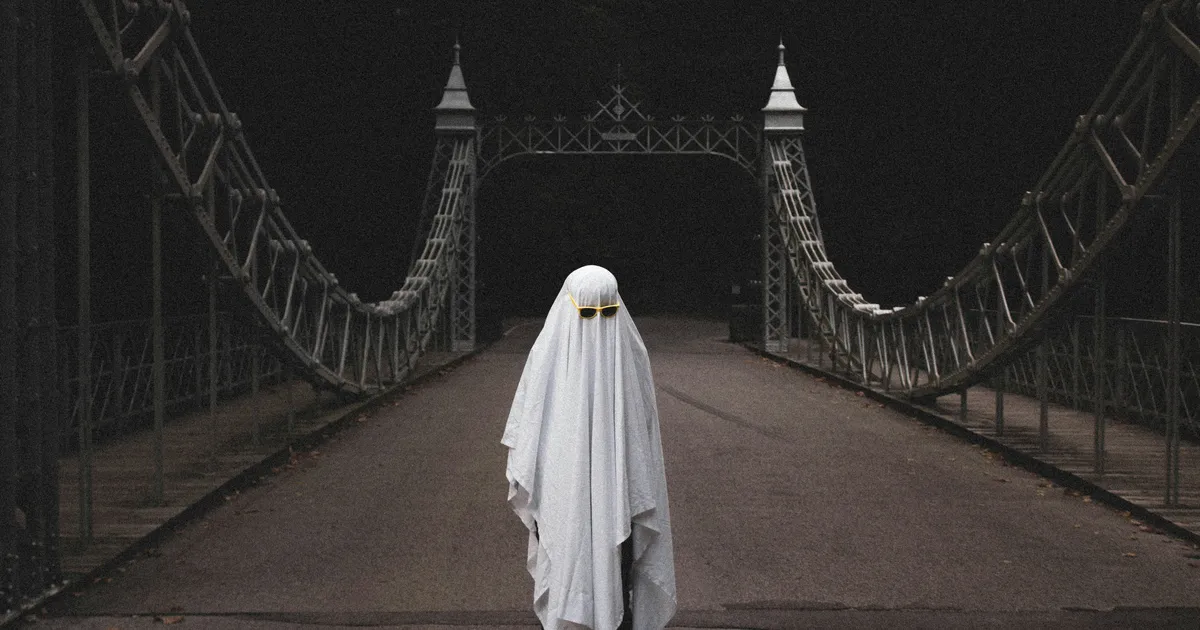
Environmental factors significantly influence the perception of haunted locations, with various elements contributing to the eerie atmosphere and sensations experienced by individuals. As of 2026, researchers have made significant progress in understanding how our surroundings can shape our perceptions, including the notion of haunted places. The relationship between environmental factors and haunted locations is complex, involving a combination of psychological, neurological, and physical components. By exploring these factors, we can gain a deeper understanding of why certain locations are perceived as haunted. For more information on this topic, visit the Psychology Today website. The impact of environmental factors on our perception of haunted locations is a fascinating area of study, with ongoing research in 2026 aiming to uncover the underlying mechanisms.
Introduction to Hauntings
The concept of hauntings has been present in various cultures throughout history, with each having its unique interpretation and explanation for these phenomena. In many cases, hauntings are attributed to supernatural entities or paranormal activity, while others believe that they can be explained by natural causes. The perception of haunted locations is often influenced by a combination of factors, including the environment, personal experiences, and cultural background. According to a study published in the Science Direct journal, environmental factors play a crucial role in shaping our perceptions of haunted locations.
Research has shown that certain environmental factors, such as lighting, temperature, and noise levels, can significantly impact our emotional state and perception of a location. For example, a dimly lit room with an unusual smell can create an eerie atmosphere, making it more likely for individuals to perceive the location as haunted. Additionally, the presence of unusual sounds or movements can contribute to the perception of paranormal activity.
Environmental Factors
Environmental factors, such as architecture, lighting, and temperature, can significantly influence our perception of a location. For instance, a location with a history of traumatic events, such as a former prison or asylum, may be perceived as haunted due to its dark and ominous atmosphere. The architecture of a building, including its design and layout, can also contribute to the perception of hauntings. Narrow corridors, hidden rooms, and secret passages can create an sense of mystery and fear, making it more likely for individuals to experience paranormal activity.
The lighting and temperature of a location can also impact our perception of hauntings. A location with poor lighting or an unusual lighting pattern can create an eerie atmosphere, while an unusually cold or hot temperature can make individuals feel uncomfortable and more susceptible to perceiving paranormal activity. Furthermore, the presence of natural elements, such as wind, water, or sunlight, can also influence our perception of a location, making it more or less likely to be perceived as haunted.
Psychological Factors
Psychological factors, such as personal experiences, emotions, and expectations, also play a significant role in shaping our perception of haunted locations. Individuals who have experienced traumatic events or have a history of mental health issues may be more likely to perceive a location as haunted. Additionally, our emotions and expectations can influence our perception of a location, with individuals who are already in a state of fear or anxiety being more likely to experience paranormal activity.
The power of suggestion is also a significant psychological factor that can influence our perception of haunted locations. If an individual is told that a location is haunted, they may be more likely to experience paranormal activity, even if there is no actual evidence of hauntings. This phenomenon is often referred to as the “expectation effect” and can be a powerful influence on our perceptions.
Expectation Effect
The expectation effect is a psychological phenomenon where our expectations and beliefs influence our perceptions and experiences. In the context of haunted locations, the expectation effect can be particularly powerful, with individuals who believe in the existence of paranormal activity being more likely to experience it. This can create a self-reinforcing cycle, where individuals who expect to experience paranormal activity are more likely to perceive it, which in turn reinforces their beliefs and expectations.
Neurological Factors
Neurological factors, such as brain activity and neurotransmitters, also play a role in shaping our perception of haunted locations. Research has shown that certain neurological conditions, such as epilepsy and migraines, can increase the likelihood of experiencing paranormal activity. Additionally, the release of neurotransmitters, such as dopamine and serotonin, can influence our emotional state and perception of a location.
The brain’s tendency to recognize patterns and create meaning can also contribute to the perception of hauntings. In situations where there is a lack of clear information or explanations, the brain may fill in the gaps with its own interpretations, leading to the perception of paranormal activity. This phenomenon is often referred to as “apophenia” and can be a significant factor in shaping our perceptions of haunted locations.
Social and Cultural Factors
Social and cultural factors, such as folklore and urban legends, can also influence our perception of haunted locations. In many cultures, certain locations are believed to be haunted due to their history, mythology, or cultural significance. For example, the concept of the “thin place” in Celtic mythology refers to locations where the boundary between the physical and spiritual worlds is believed to be thin, making it more likely for individuals to experience paranormal activity.
The influence of social and cultural factors can be seen in the way that haunted locations are often perceived and experienced. For instance, a location that is believed to be haunted by a particular entity or spirit may be perceived as more frightening or intimidating than a location that is believed to be haunted by a more benign entity. Additionally, the presence of cultural or historical significance can make a location more likely to be perceived as haunted, as individuals may be more likely to visit and experience the location due to its cultural or historical importance.
Key Takeaways
The perception of haunted locations is a complex phenomenon that is influenced by a combination of environmental, psychological, neurological, and social factors. By understanding these factors, we can gain a deeper insight into why certain locations are perceived as haunted and how our perceptions can be influenced by our surroundings and experiences.
- Environmental factors, such as architecture and lighting, can influence our perception of a location.
- Psychological factors, such as personal experiences and emotions, can shape our perception of haunted locations.
- Neurological factors, such as brain activity and neurotransmitters, can play a role in shaping our perception of haunted locations.
- Social and cultural factors, such as folklore and urban legends, can influence our perception of haunted locations.
- The expectation effect can be a powerful influence on our perceptions, with individuals who believe in the existence of paranormal activity being more likely to experience it.
Frequently Asked Questions
What is the most common type of haunted location?
The most common type of haunted location is often reported to be former residential buildings, such as houses or apartments, although other locations, such as hospitals, prisons, and cemeteries, are also frequently reported to be haunted.
Can anyone experience paranormal activity?
While anyone can potentially experience paranormal activity, research suggests that certain individuals, such as those with a history of mental health issues or traumatic experiences, may be more likely to perceive hauntings.
How can I protect myself from paranormal activity?
There is no proven way to completely protect oneself from paranormal activity, although certain precautions, such as avoiding locations with a history of hauntings or taking steps to reduce stress and anxiety, may help reduce the likelihood of experiencing paranormal activity.
Are haunted locations always scary or frightening?
No, not all haunted locations are scary or frightening. In some cases, individuals may report experiencing a sense of peace or tranquility in a haunted location, particularly if the location is believed to be haunted by a benevolent entity or spirit.
Can haunted locations be explained by natural causes?
In many cases, haunted locations can be explained by natural causes, such as unusual lighting or sound patterns, although some locations may remain unexplained and continue to be perceived as haunted.
Conclusion
In conclusion, the perception of haunted locations is a complex phenomenon that is influenced by a combination of environmental, psychological, neurological, and social factors. As we continue to explore and understand these factors, we may uncover new insights into why certain locations are perceived as haunted and how our perceptions can be influenced by our surroundings and experiences. For more information on this topic, visit the National Geographic website. By 2026, researchers aim to further investigate the relationship between environmental factors and haunted locations, providing a deeper understanding of this fascinating phenomenon.