

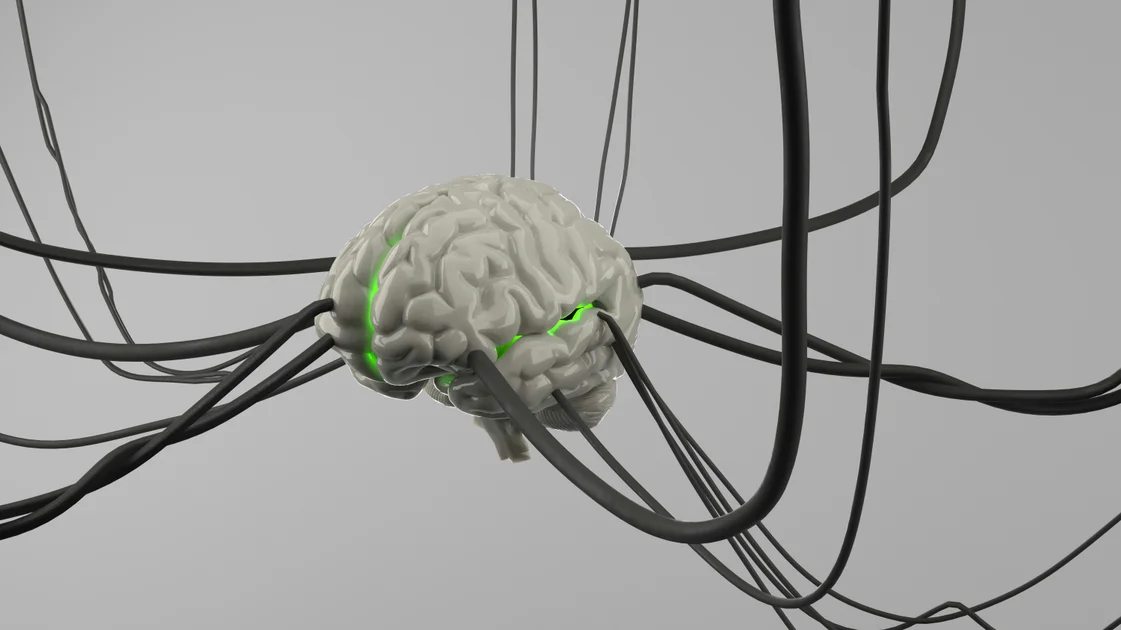
Understanding why your brain falls for computer hardware myths: The ghost in the machine is essential for navigating the complex landscape of consumer technology in 2026. When we assemble a custom PC or purchase a high-end laptop, we like to believe our choices are guided by cold, rational calculations of gigahertz, teraflops, and thermal design power. However, human psychology is deeply prone to cognitive shortcuts that project life, intent, and mystery onto inanimate circuitry. This psychological phenomenon, often referred to as finding a “ghost in the machine,” distorts how we perceive system performance, leading us to attribute supernatural causes to simple software glitches or thermal throttling. By exploring how our cognitive biases interact with complex silicon architectures, we can learn to separate actual performance bottlenecks from the illusions created by our own minds.
The Psychology of Hardware Misconceptions
Our brains are fundamentally wired to find patterns and agentic intent in complex environments, a survival mechanism known as hyperactive agency detection. When applied to modern computing, this evolutionary trait makes us treat highly intricate silicon pathways as semi-conscious entities rather than deterministic machines. When a computer slows down unexpectedly, we rarely think of background telemetry tasks or memory fragmentation. Instead, we instinctively feel as though the machine is tired, stubborn, or actively resisting our commands, falling prey to the classic “ghost in the machine” illusion. This cognitive anthropomorphism bridges the gap between our lack of deep technical understanding and our desire for immediate, intuitive explanations.
Furthermore, the sheer complexity of modern 2026 microarchitectures makes true comprehension nearly impossible for the average user. As transistors shrink to sub-nanometer scales and AI-driven schedulers dynamically allocate resources, the average person relies heavily on heuristics. Heuristics are mental shortcuts that simplify decision-making but often introduce massive errors. We fall back on outdated rules of thumb, such as assuming higher clock speeds always equal better performance, or that more RAM instantly makes web browsing faster. These cognitive shortcuts are reinforced by marketing departments that exploit our psychological vulnerabilities, cementing persistent hardware myths in the collective tech consciousness.
The Placebo Effect in System Performance
The placebo effect is not exclusive to medicine; it plays an incredibly powerful role in how we experience technology. When a user applies a new thermal paste, installs an expensive braided cable, or tweaks an obscure BIOS setting, they expect a tangible performance improvement. This expectation alters their sensory perception, making them believe their system runs smoother or boots faster, even if objective benchmarks show zero change. This psychological projection is why snake-oil products, such as ultra-premium SATA cables or digital RAM cleaners, continue to thrive in the enthusiast community despite being repeatedly debunked by objective testing.
To understand this phenomenon deeply, we must examine how cognitive investment dictates satisfaction. The more effort, time, or money we invest in a hardware modification, the more desperate our brains are to justify that investment. Acknowledging that a hundred-dollar cooling fan yielded no actual performance gain creates painful cognitive dissonance. To resolve this mental discomfort, the brain simply invents perceived improvements, convincing the user that the system feels significantly snappier. This subjective validation bypasses objective analysis, turning placebo upgrades into deeply held personal convictions.
Confirmation Bias and Benchmark Obsession
Confirmation bias acts as the ultimate amplifier for these hardware illusions, especially in the era of high-refresh-rate displays and real-time telemetry overlays. Tech enthusiasts often obsess over frame-time graphs and hardware monitors, actively searching for anomalies that validate their anxieties. If a user believes a certain driver version is unstable, they will hyper-focus on every micro-stutter, attributing normal system background tasks to the driver itself. This hyper-vigilance creates a feedback loop where subjective anxiety is mistaken for objective hardware instability.
This obsession is further fueled by synthetic benchmarks that reduce system performance to a single, easily digestible score. Users frequently forget that synthetic benchmarks are designed to push silicon to artificial extremes, rarely reflecting real-world daily workflows. When a minor background update causes a benchmark score to drop by a negligible two percent, users panic, believing their hardware is failing. This disconnect between synthetic data and practical utility is a primary reason why your brain falls for computer hardware myths: The ghost in the machine, as we prioritize abstract numbers over our actual, lived user experience.
Cost & Pricing Breakdown
The financial consequences of falling for hardware myths are substantial, particularly in 2026, where premium components command unprecedented pricing. Consumers frequently overspend on high-tier components, believing that “future-proofing” is a cost-effective strategy. In reality, the rapid pace of technological innovation quickly depreciates high-end hardware, making mid-range upgrades at shorter intervals far more economically sensible. By understanding the actual cost-to-performance ratios, buyers can avoid the psychological trap of thinking that spending twice as much money yields twice as much performance.
To help visualize where consumers most frequently fall victim to marketing myths and overspending, we have compiled a pricing breakdown. This table compares common myth-driven purchases against rational, performance-validated alternatives that offer superior value.
| Component Category | Myth-Driven Purchase (Costly) | Rational Alternative (Cost-Effective) | Performance Reality |
|---|---|---|---|
| System Memory | High-Speed DDR5 with Premium Heatsinks ($220) | Standard DDR5 6000MHz CL30 ($110) | Less than 2% difference in real-world gaming and productivity tasks. |
| Power Supply | 1200W Titanium Rated PSU for Mid-Range GPU ($280) | 750W Gold Rated PSU from Reputable Brand ($110) | System rarely draws over 450W; extra capacity goes completely unused. |
| Storage | PCIe Gen 5 NVMe SSD with Active Fan ($190) | PCIe Gen 4 NVMe SSD with Passive Heatsink ($90) | Boot times and game loading speeds remain virtually identical. |
| Thermal Paste | Premium Liquid Metal / Diamond Compound ($35) | Standard High-Quality Carbon Paste ($8) | Temperature variance is typically under 3 degrees Celsius under full load. |
Anthropomorphism: The Ghost in the Machine
Anthropomorphism, the attribution of human characteristics to non-human entities, is deeply embedded in how we interact with technology. We speak of our computers as if they have moods, personalities, and intentions, saying things like “my PC doesn’t want to cooperate today.” This linguistic habit is not entirely harmless; it subtly shifts our mental model of how computers work from a logical framework to an emotional one. According to cognitive studies published on Psychology Today, treating machines as agents makes us more likely to accept superstitious troubleshooting methods, such as rebooting multiple times without changing configurations, rather than systematically identifying the root cause of an issue.
This psychological projection is compounded by the invisible nature of modern computing processes. When we cannot see the physical movement of data, our brains fill the informational void with metaphors. We imagine data flowing like water, or processors thinking like human brains, which leads to flawed assumptions about hardware wear and tear. For instance, many users believe that keeping their computer running constantly “tires out” the CPU, ignoring the fact that solid-state electronics do not experience mechanical fatigue in the way biological systems do. Understanding the psychological roots of why your brain falls for computer hardware myths: The ghost in the machine helps explain why this fundamental misunderstanding of solid-state physics keeps the mythical ghost alive and well.
Pros and Cons Analysis
Holding onto certain hardware myths and custom system beliefs is not entirely negative; it often serves as a gateway to deeper engagement with the DIY PC building community. The rituals of optimizing, tweaking, and customizing hardware provide a sense of agency and satisfaction that a simple out-of-the-box experience cannot replicate. However, when these beliefs cross the line into dogmatic misconceptions, they lead to unnecessary financial waste, system instability, and intense user frustration. It is vital to weigh the psychological benefits of these enthusiast behaviors against their practical drawbacks.
To provide a balanced perspective, we have outlined the pros and cons of the common psychological traits and beliefs that drive the custom hardware community. This analysis highlights how our cognitive biases can both enrich and complicate our relationship with computer technology.
- Pros of Enthusiast Beliefs:
- Community Engagement: Shared myths and rituals foster a strong, passionate community of enthusiasts who love discussing hardware nuances.
- Preventative Maintenance: The hyper-focus on hardware health often leads users to clean their systems and monitor temperatures regularly, extending hardware lifespan.
- Skill Acquisition: Trying to troubleshoot perceived “ghosts” forces users to learn advanced BIOS settings, operating system configurations, and physical assembly skills.
- Cons of Enthusiast Beliefs:
- Financial Waste: Users spend hundreds of dollars on premium cables, oversized power supplies, and unnecessary cooling solutions that offer no real-world benefit.
- System Instability: Excessive tweaking of voltages, RAM timings, and registry settings in search of minor gains frequently causes crashes and data corruption.
- Anxiety and Stress: Constant monitoring of performance metrics creates unnecessary worry over normal, minor fluctuations in system behavior.
Sunk Cost Fallacy and the Upgrade Cycle
The sunk cost fallacy is a powerful cognitive bias that heavily influences the hardware upgrade cycle. Once a consumer has spent thousands of dollars on a high-end platform, they feel psychologically compelled to keep investing in it to maintain its “cutting-edge” status. This manifests itself when users upgrade their graphics card or processor every single generation, even when their current hardware easily handles all their daily tasks. The fear of falling behind, coupled with the desire to validate their initial massive investment, blinds them to the diminishing returns of incremental yearly upgrades.
In the rapidly evolving tech landscape of 2026, manufacturers capitalize on this vulnerability by releasing yearly hardware iterations with marginal performance uplifts. They frame these minor updates as essential leaps forward, using complex marketing jargon that triggers our fear of missing out. According to insights from Wired, consumers often buy into these narratives because their self-worth has become partially tied to their system’s specifications. Recognizing that our desire to upgrade is frequently driven by social comparison and cognitive bias, rather than actual computational necessity, is the first step toward breaking free from this costly cycle.
Key Takeaways
- Human brains naturally project human-like intent and “ghosts” onto complex, invisible computing processes to simplify cognitive load.
- The placebo effect and confirmation bias lead enthusiasts to perceive performance improvements from costly, non-essential hardware upgrades.
- “Future-proofing” often results in massive financial waste; mid-range, modular upgrades are far more cost-effective over time.
- Synthetic benchmarks can create artificial anxiety by focusing on negligible numbers rather than real-world, practical usability.
- Understanding solid-state physics helps dispel myths about hardware fatigue, as silicon does not wear down like mechanical systems.
- Breaking the cycle of unnecessary upgrades requires separating personal identity and social status from raw computer specifications.
Frequently Asked Questions
Why does my computer seem to run slower when I am stressed or in a hurry?
This is a classic example of confirmation bias and altered perception. When you are stressed, your perception of time changes, making normal loading times feel agonizingly slow. You are also more likely to notice minor stutters that you would completely ignore when relaxed, leading you to believe the machine is acting up in response to your mood.
Is “future-proofing” a computer a smart financial decision in 2026?
Generally, no. Buying ultra-high-end components to future-proof your system yields diminishing returns. Technology in 2026 moves so quickly that a mid-range card purchased two years from now will likely outperform today’s most expensive flagship at a fraction of the cost. It is better to buy what you need now and upgrade incrementally.
Does keeping my PC on all the time wear out the components?
Modern solid-state electronics do not suffer from mechanical wear. While thermal cycling (heating up and cooling down) can theoretically affect solder joints over decades, leaving your PC on or turning it off daily has a negligible impact on its lifespan. The physical “ghost” of wear and tear is mostly a myth left over from the era of mechanical hard drives.
Why do people swear they can feel the difference with premium cables?
This is driven by the placebo effect and the sunk cost fallacy. When someone spends a premium on a digital cable (like HDMI or DisplayPort), their brain demands a visual justification for the cost. Because digital signals are binary (they either work perfectly or fail completely), any perceived improvement in color or sharpness is purely psychological.
How can I protect myself from falling for hardware myths?
The best defense is relying on objective, peer-reviewed benchmarks from reputable hardware outlets like Tom’s Hardware. Always look for double-blind testing data, avoid marketing buzzwords, and ask yourself if a proposed upgrade solves a real, measurable bottleneck in your daily workflow.
Conclusion
Ultimately, the “ghost in the machine” is not a flaw in our computers, but a natural reflection of how the human brain processes complex, unseen systems. In 2026, as computer hardware grows increasingly sophisticated, separating psychological projection from physical reality is essential for both our wallets and our peace of mind. By recognizing the cognitive biases, evolutionary heuristics, and marketing traps that skew our judgment, we can make rational, evidence-based decisions. Embracing objective data over subjective anxiety allows us to appreciate our technology for what it truly is: a remarkable, logical tool, entirely free of spirits.