Cursed Images: The Psychology and Spread of Viral Internet Photos
Strange, unsettling photos have a way of capturing attention online, often spreading rapidly across social media and forums. These are commonly known as “cursed images”, pictures that evoke discomfort, confusion, or a sense of the uncanny. Unlike memes crafted for humor or inspiration, cursed images leave viewers with lingering questions and a peculiar emotional response. Their viral nature and psychological impact have made them a distinct phenomenon within internet culture, prompting researchers and digital communities alike to explore what makes these visuals so compelling and why people feel drawn to share them.
Defining Cursed Images: Origins and Characteristics
The term “cursed image” first gained traction in 2015 when a Tumblr blog began curating odd, inexplicable photos that seemed to defy context or logic. These images typically feature everyday scenes rendered strange by poor lighting, odd angles, or bizarre subject matter. Unlike traditional viral content, cursed images are not intentionally staged or edited for effect; their power lies in their authenticity and ambiguity.
What sets cursed images apart is their ability to provoke a visceral reaction. Viewers often describe feelings of discomfort, unease, or even mild fear. This reaction is rooted in the concept of the “uncanny valley,” where something appears almost (but not quite) normal, triggering a sense of cognitive dissonance. Psychologists suggest that this discomfort may stem from our brain’s attempt to reconcile familiar elements with unexpected or illogical details.
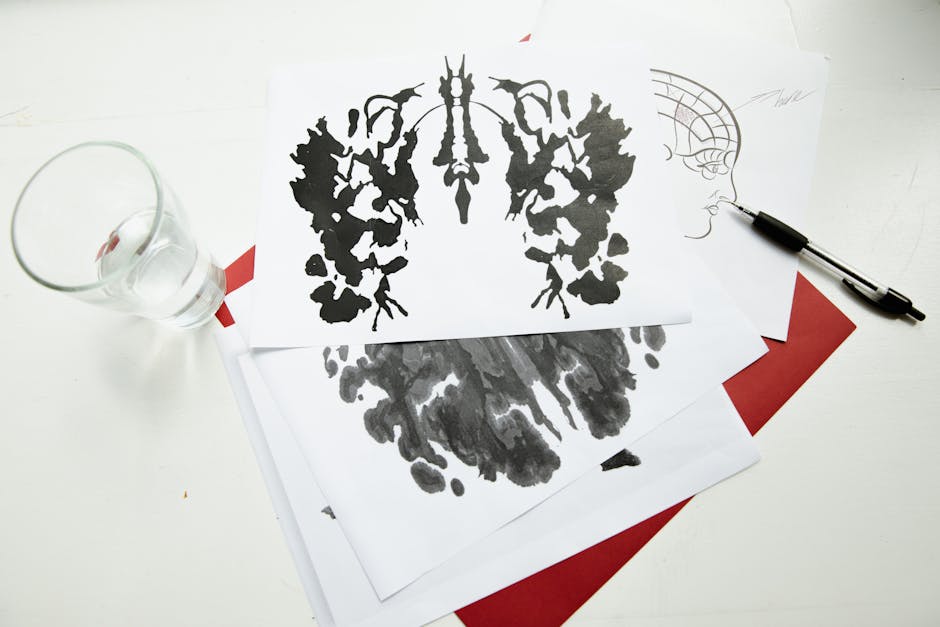
To better understand the appeal and spread of cursed images, it helps to compare them with other types of viral photos:
| Type | Purpose | Emotional Response | Typical Platforms |
|---|---|---|---|
| Cursed Images | Unsettle, confuse | Discomfort, curiosity | Tumblr, Reddit, Twitter |
| Memes | Entertain, amuse | Laughter, recognition | Instagram, Facebook, Twitter |
| Inspirational Photos | Motivate, uplift | Hope, positivity | Pinterest, Instagram |
The Psychology Behind Cursed Images
Cursed images tap into deep psychological mechanisms related to uncertainty and pattern recognition. When confronted with an image that doesn’t make immediate sense, the brain works overtime to find meaning or context. This process can be both uncomfortable and fascinating. According to Dr. Frank McAndrew, a professor of psychology at Knox College, humans are wired to seek patterns and explanations in their environment, a trait that once helped our ancestors survive but now draws us toward the inexplicable online (bbc.com).
The emotional response to cursed images is complex. While some viewers experience mild anxiety or disgust, others find humor in the absurdity. This range of reactions is part of what makes these photos so shareable. The ambiguity allows individuals to project their own interpretations onto the image, sparking conversation and debate in comment sections and group chats.
Personal experience also plays a role in how people perceive cursed images. Someone who grew up in a rural area might interpret an abandoned farmhouse differently than someone from a city. These subjective responses contribute to the communal aspect of sharing and discussing cursed images online.
How Cursed Images Go Viral
The spread of cursed images relies heavily on the dynamics of online communities. Platforms like Reddit’s r/cursedimages and Twitter hashtags serve as hubs for discovery and discussion. The viral trajectory often follows a pattern: an image is posted in a niche community, gains traction through upvotes or shares, and eventually spills over into mainstream feeds.
Several factors contribute to the virality of cursed images:
- Shock Value: The initial reaction of confusion or discomfort prompts users to share the image with friends.
- Inside Jokes: Communities develop shared language and references around recurring themes in cursed images.
- Meme Potential: Some cursed images are remixed or paired with humorous captions, increasing their reach.
- Low Barrier to Entry: Anyone can contribute by uploading odd photos from personal archives or found online.
An interesting aspect is how these images often bypass traditional content moderation algorithms. Because they rarely contain explicit material or recognizable faces, they slip through filters designed to catch more conventional forms of objectionable content.
Cultural Impact and Community Dynamics
Cursed images have become a touchstone for certain online subcultures. Communities dedicated to collecting and sharing these photos foster a sense of belonging among participants who appreciate the bizarre and offbeat. The act of sharing a cursed image can signal membership in an “in-group” that values irony and dark humor.
This communal engagement often leads to the creation of spin-off genres such as “blessed images” (photos that evoke positive feelings) or “cursed comments” (strange or unsettling replies). The interplay between these categories highlights the evolving nature of internet culture and the ways users negotiate meaning through shared content.
Some researchers argue that cursed images serve as a form of digital folklore, stories told through visuals rather than words. They reflect collective anxieties, humor, and even nostalgia for analog photography’s imperfections (theatlantic.com). As technology advances, the appeal of raw, unfiltered imagery stands in contrast to the polished aesthetics often seen on platforms like Instagram.
The Ethics and Risks of Sharing Cursed Images
While most cursed images are harmless oddities, ethical considerations arise when photos depict real people or sensitive situations without consent. Privacy concerns have prompted some platforms to introduce stricter guidelines for image sharing. Users are encouraged to consider the origins and potential impact before posting or reposting such content.
There is also the risk of desensitization. Repeated exposure to unsettling imagery can dull emotional responses over time, potentially affecting how individuals react to real-life distressing events. Some experts caution against seeking out increasingly extreme content for shock value alone (psychologytoday.com).
On a more positive note, discussions around cursed images can foster critical thinking about media consumption and digital ethics. By questioning why certain photos go viral and how they affect viewers’ emotions, individuals become more discerning participants in online culture.
The Role of Technology in Shaping Cursed Images
The proliferation of smartphones and easy access to cameras has expanded the pool of potential cursed images. Everyday moments can be captured spontaneously, resulting in unplanned oddities that might never have been noticed otherwise. Social media algorithms further amplify this effect by promoting content that elicits strong reactions, whether positive or negative.
Artificial intelligence also plays a role in both the creation and distribution of cursed images. Generative AI tools can produce surreal visuals that mimic the unsettling qualities of authentic cursed photos. At the same time, AI-driven recommendation systems help surface these images to wider audiences based on engagement metrics.
This technological feedback loop ensures that cursed images remain a persistent feature of online life. As tools evolve, so too will the ways people create, share, and interpret these peculiar snapshots.
Cursed images occupy a unique space within internet culture, blending psychological intrigue with community-driven sharing practices. Their ability to unsettle and amuse simultaneously has fueled their spread across platforms and demographics. By provoking strong emotional responses and sparking conversation, these photos reveal much about human perception and the social dynamics of digital spaces.
Understanding why cursed images resonate helps shed light on broader trends in online behavior, from pattern recognition to collective storytelling. As technology continues to shape how we capture and share visual content, the fascination with the strange and uncanny is unlikely to fade anytime soon.