The Science of Ghost Hunting: Tools and Tactics That Work
Ghost hunting has long fascinated people, blending curiosity about the unknown with a desire to explore the boundaries of science and belief. The pursuit of evidence for paranormal activity has evolved from folklore and campfire stories into a field that now incorporates technology, critical thinking, and a methodical approach. Today’s ghost hunters are as likely to carry digital recorders and electromagnetic sensors as they are to rely on personal intuition. This shift has sparked debate among skeptics and believers alike, but it has also led to a more structured investigation process that seeks to separate fact from fiction. As interest in the paranormal continues to grow, understanding the science behind ghost hunting (and the tools and tactics that actually work) has become essential for anyone looking to explore this mysterious realm.
Understanding the Foundations of Ghost Hunting
Modern ghost hunting is rooted in both historical tradition and scientific inquiry. Early attempts to document supernatural phenomena often relied on anecdotal evidence and subjective experiences. However, as the field matured, investigators began adopting more rigorous methods inspired by scientific disciplines such as physics, psychology, and environmental science. This shift was partly driven by the desire to legitimize paranormal research and distinguish credible investigations from hoaxes or misinterpretations.
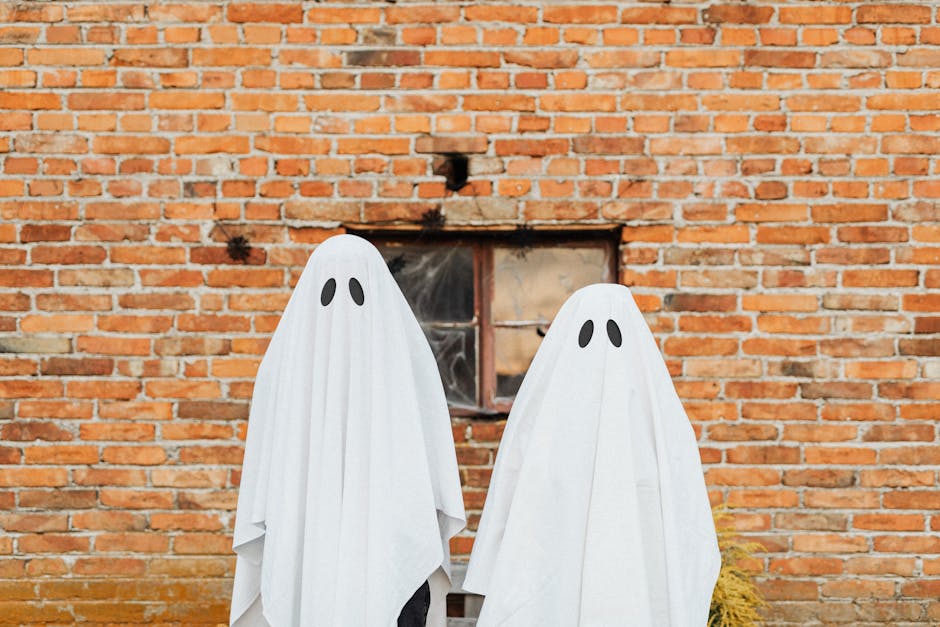
One key principle in ghost hunting is the importance of controlled observation. Investigators are encouraged to document every aspect of their environment, noting temperature changes, unusual sounds, or electromagnetic fluctuations. This data-driven approach helps rule out natural explanations (like faulty wiring or drafts) that could be mistaken for paranormal activity. According to the Skeptical Inquirer, many reported hauntings can be traced back to environmental factors or psychological suggestibility rather than genuine supernatural events.
Despite these efforts at objectivity, personal experiences still play a significant role in ghost hunting. Many investigators report sensations of being watched, sudden chills, or unexplained noises during their explorations. While these experiences are compelling, they are often considered supplementary evidence rather than proof of paranormal activity. Balancing subjective impressions with empirical data remains one of the field’s ongoing challenges.
Training and education have also become more prominent in recent years. Organizations like The Ghost Club in the UK and the Atlantic Paranormal Society (TAPS) in the US offer workshops and resources aimed at teaching best practices for investigation. These groups emphasize ethical conduct, respect for property, and adherence to scientific principles, further professionalizing the field and encouraging responsible exploration.
Essential Tools Used in Scientific Ghost Hunting
The toolkit of a modern ghost hunter is a blend of traditional methods and advanced technology. While some investigators still rely on notebooks and flashlights, most now use specialized equipment designed to detect environmental anomalies that could indicate paranormal activity.
Among the most commonly used devices are electromagnetic field (EMF) meters, which measure fluctuations in electromagnetic energy. Proponents believe that spirits may cause spikes in EMF readings, although skeptics argue that many household items can produce similar effects. Digital voice recorders are another staple, used to capture electronic voice phenomena (EVP), unexplained sounds or voices that appear on recordings but were not heard at the time. High-definition cameras and infrared thermometers help document visual anomalies and temperature changes that might accompany reported hauntings.
Some teams also employ motion sensors, laser grids, and even Geiger counters to monitor for radiation spikes. The choice of equipment often depends on the specific claims being investigated and the environment in question. For example, an old building with known electrical issues might require more careful baseline measurements to avoid false positives.
| Tool | Purpose | Limitations |
|---|---|---|
| EMF Meter | Detects electromagnetic fluctuations | Can be triggered by electronics or wiring |
| Digital Voice Recorder | Captures potential EVPs | Prone to background noise interference |
| Infrared Thermometer | Measures temperature changes | Affected by drafts or open windows |
| HD Camera | Records visual anomalies | Subject to lens flares or dust particles |
| Motion Sensor | Detects movement in empty spaces | May react to animals or settling structures |
Choosing the right combination of tools is crucial for credible investigations. As highlighted by Scientific American, understanding each device’s limitations is as important as knowing how to use them effectively. This awareness helps prevent misinterpretation of data and supports a more scientific approach to ghost hunting.
Tactics That Separate Science from Superstition
Effective ghost hunting relies on a disciplined investigative process designed to minimize bias and maximize accuracy. This begins with thorough research into the location’s history, including previous reports of paranormal activity, architectural details, and any documented natural explanations for strange occurrences. By understanding the context, investigators can better interpret their findings and avoid jumping to conclusions.
Once on site, teams typically establish a baseline by recording environmental conditions before starting their investigation. This includes measuring ambient EMF levels, temperature, humidity, and even air quality. Any deviations from these baselines during the investigation are carefully documented and analyzed for possible natural causes.
Collaboration is another key tactic. Most investigations involve multiple team members who independently record observations and cross-check results. This reduces the risk of confirmation bias, a common pitfall where investigators see what they expect rather than what is actually present. Peer review within the team helps ensure that evidence is scrutinized from different perspectives before any claims are made.
Critical thinking remains at the core of scientific ghost hunting. Investigators are encouraged to question their assumptions and seek out alternative explanations for each piece of evidence. As noted by Psychology Today, maintaining a skeptical mindset does not mean dismissing all paranormal claims outright; instead, it involves weighing all available data before drawing conclusions.
Common Misconceptions and Ethical Considerations
The popularity of ghost hunting shows and online videos has led to several misconceptions about what constitutes real evidence and how investigations should be conducted. One widespread myth is that every unexplained noise or cold spot is proof of a haunting. In reality, most phenomena have logical explanations rooted in building mechanics or environmental factors.
Another misconception involves the use of technology itself. While gadgets can enhance an investigation, they are not infallible. False positives are common when equipment is used incorrectly or without proper calibration. It’s important for investigators to remain transparent about their methods and acknowledge when results are inconclusive.
Ethical considerations also play a significant role in responsible ghost hunting. Investigators must always obtain permission before entering private property and respect the wishes of property owners or residents. Sensitivity is especially important when dealing with sites associated with trauma or loss; sensationalizing these locations can cause distress to those connected with them.
- Avoid trespassing, always secure written permission for investigations.
- Respect privacy, do not share personal stories or footage without consent.
- Be honest about findings, report both positive and negative results.
- Prioritize safety, never put yourself or others at risk during an investigation.
- Support local history, work with historians or preservationists when possible.
The field continues to evolve as new technologies emerge and public interest grows. However, maintaining ethical standards ensures that investigations contribute positively to both scientific understanding and community relations.
The search for answers in ghost hunting blends curiosity with careful methodology, drawing on both tradition and innovation. By combining reliable tools with disciplined tactics, investigators strive to separate genuine phenomena from everyday occurrences. While skepticism remains healthy, an open yet critical approach encourages ongoing discovery and learning within this intriguing field. Whether you’re a seasoned investigator or simply curious about what lies beyond our current understanding, there’s always more to explore and perhaps even more questions than answers waiting in the shadows.