Are Haunted Houses Real? Exploring the Most Convincing Cases
Stories of haunted houses have fascinated people for generations, blending local folklore with chilling eyewitness accounts.The debate over whether haunted houses are real has gained renewed attention, as new investigations and high-profile cases capture public interest. Advances in technology have allowed paranormal researchers to gather more compelling evidence, while skeptics continue to challenge the authenticity of these claims. The question remains: are haunted houses simply products of overactive imaginations, or do they point to something genuinely unexplained? Exploring the most convincing cases from this year offers a unique window into how society perceives the supernatural and how personal experiences shape our beliefs.
The Evolution of Haunted House Investigations
Haunted house investigations have changed significantly over the past few decades. Earlier efforts relied heavily on anecdotal evidence and personal testimonies, often dismissed by mainstream science. Today, investigators use advanced tools such as thermal cameras, electromagnetic field meters, and audio recorders to document unusual phenomena. These technological advancements have made it possible to capture data that can be analyzed and scrutinized by both believers and skeptics.
Many modern investigations are conducted by teams with backgrounds in science, engineering, or psychology. Their approach is more systematic, focusing on eliminating natural explanations before considering paranormal ones. This shift has led to a higher standard of evidence and has encouraged collaboration with academic institutions. For example, the Rhine Research Center at Duke University continues to study parapsychology using rigorous scientific methods (Rhine Research Center).
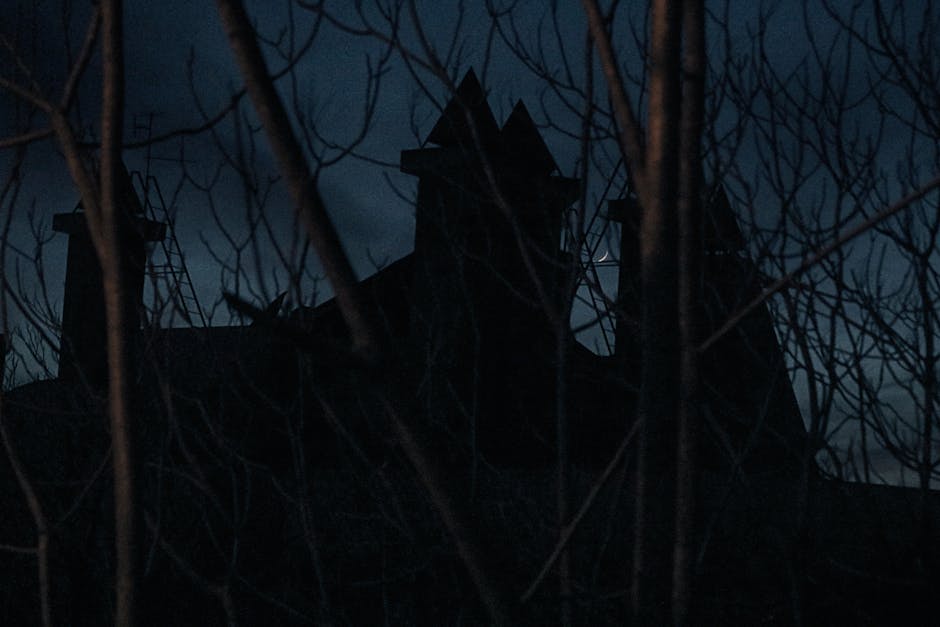
Despite these advancements, the field still faces criticism for a lack of reproducible results. Skeptics argue that many so-called hauntings can be explained by environmental factors such as drafts, faulty wiring, or psychological suggestion. However, some cases remain stubbornly resistant to conventional explanations, fueling ongoing debate.
One notable trend in 2024 is the rise of live-streamed investigations. Platforms like YouTube and Twitch now feature real-time explorations of reportedly haunted locations, allowing viewers to witness events as they unfold. This transparency has increased public engagement and provided a broader platform for sharing evidence, both supporting and debunking claims of hauntings.
Most Convincing Haunted House Cases
This year has seen several high-profile haunted house cases that have attracted attention from both the media and the scientific community. These cases stand out due to the quality of evidence collected and the credibility of witnesses involved.
One of the most discussed cases is the investigation at the Winchester Mystery House in California. Researchers documented unexplained temperature drops and captured audio recordings of voices when no one was present. The team included both seasoned paranormal investigators and independent scientists, lending credibility to their findings (Winchester Mystery House).
In the United Kingdom, a centuries-old manor in Kent became the focus of national headlines after multiple visitors reported seeing apparitions and hearing footsteps in empty corridors. Local historians verified that several of the reported sightings matched descriptions from historical records dating back over a hundred years.
Another compelling case emerged from Japan, where a family living in an urban apartment complex experienced repeated poltergeist activity. Security cameras installed throughout the home captured objects moving without human intervention. The footage was reviewed by independent experts who could not identify any signs of tampering or trickery.
- The Winchester Mystery House (USA): Documented temperature anomalies and unexplained voices.
- Kent Manor (UK): Corroborated apparitions matching historical accounts.
- Tokyo Apartment (Japan): Verified poltergeist activity on security footage.
These cases highlight the diversity of haunted house reports worldwide and underscore the importance of thorough documentation and independent verification.
Scientific Perspectives and Skeptical Analysis
The scientific community remains divided on the reality of haunted houses. While some researchers acknowledge that certain cases defy easy explanation, most maintain that natural causes should be considered first. Psychological factors such as suggestion, expectation, and group dynamics can strongly influence perceptions of paranormal activity.
A study published in the journal Frontiers in Psychology found that individuals who believe in ghosts are more likely to interpret ambiguous stimuli as paranormal events (Frontiers in Psychology). This cognitive bias can lead people to misinterpret ordinary occurrences (like creaking floors or flickering lights) as supernatural phenomena.
Environmental factors also play a significant role. Carbon monoxide leaks, for example, have been linked to hallucinations and feelings of dread in several historical haunting cases (Scientific American). Similarly, low-frequency sound waves known as infrasound can cause discomfort or anxiety, which some people attribute to ghostly presences.
Despite these explanations, some scientists remain open to further investigation. They argue that dismissing all reports outright ignores the complexity of human experience and the possibility that unknown phenomena may exist. The table below summarizes key differences between scientific and paranormal approaches to haunted house investigations:
| Scientific Approach | Paranormal Approach |
|---|---|
| Focuses on natural explanations first | Considers supernatural explanations after ruling out natural causes |
| Uses controlled experiments and peer review | Relies on field investigations and personal testimonies |
| Skeptical of anecdotal evidence | Values eyewitness accounts and subjective experiences |
| Emphasizes reproducibility | Accepts unique or one-time events as valid evidence |
The Human Experience: Why Haunted Houses Endure
The fascination with haunted houses goes beyond scientific inquiry or media sensationalism. At its core, this interest reflects deep-seated cultural beliefs about life, death, and what may lie beyond. Many people find comfort or excitement in exploring these mysteries, whether through visiting famous locations or sharing personal stories with friends and family.
Cultural context plays a significant role in shaping how hauntings are perceived. In some societies, ghost stories are an integral part of local traditions and rituals. In others, they serve as cautionary tales or expressions of collective anxieties. Personal experiences often carry more weight than scientific evidence for those who have witnessed unexplained events firsthand.
I remember visiting an old Victorian house in New Orleans during a research trip last year. The guide shared stories passed down through generations, accounts of footsteps on empty staircases and doors closing on their own. While I didn't encounter anything out of the ordinary myself, the atmosphere was undeniably charged with anticipation. It became clear that belief in haunted houses is as much about community and storytelling as it is about evidence.
Haunted attractions also contribute to the phenomenon's endurance. Every October, thousands flock to themed events designed to evoke fear and curiosity. These experiences blur the line between entertainment and genuine belief, reinforcing haunted house legends for new generations.
The question of whether haunted houses are real may never have a definitive answer, but exploring the most convincing cases today reveals how deeply these stories resonate across cultures and generations. Whether driven by unexplained phenomena or the power of suggestion, haunted houses continue to captivate our imagination and perhaps challenge us to keep searching for answers beyond what we can easily explain.