The Blue Whale Challenge: Tracing the Roots of a Deadly Online Myth
The Blue Whale Challenge emerged as a chilling internet phenomenon, capturing global attention with reports of a series of dangerous online tasks allegedly leading to self-harm and even suicide. The narrative surrounding this so-called "game" quickly spread through social media, news outlets, and parental warnings, igniting widespread fear and concern. Despite the panic, questions remain about the origins of the Blue Whale Challenge, the role of media amplification, and the real impact it has had on vulnerable individuals. Understanding how this myth took root and evolved is essential for anyone interested in the intersection of online culture, misinformation, and youth mental health.
The Origins and Spread of the Blue Whale Challenge
Stories about the Blue Whale Challenge first surfaced in Russia around 2016, with claims that a secretive online group was manipulating teenagers into completing a series of escalating tasks over 50 days. The final task was said to be suicide. These alarming reports were picked up by Russian news outlets and soon echoed by international media, fueling a moral panic. However, investigations by organizations such as Snopes and BBC News found little concrete evidence of an organized network or widespread participation in such a challenge.
Despite the lack of verified cases, the story gained momentum as it spread through social platforms like VKontakte, Facebook, and WhatsApp. The viral nature of the narrative was amplified by sensational headlines and graphic imagery, which often overshadowed the absence of substantiated facts. Some reports referenced interviews with supposed "curators" or victims, but these accounts frequently lacked verifiable details or were later debunked.
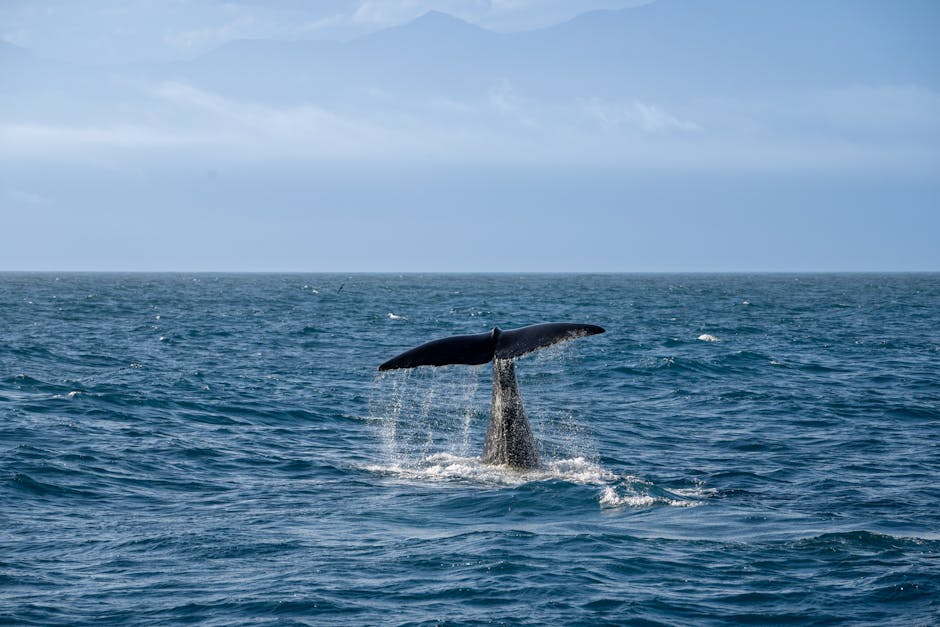
Researchers have pointed out that the rapid dissemination of the Blue Whale Challenge myth highlights how digital rumors can escalate into global phenomena. According to a 2017 report by The Daily Beast, many alleged cases were either unrelated to the challenge or based on unconfirmed social media posts. The story's persistence illustrates how fear-driven narratives can take on a life of their own in online spaces.
Personal conversations with educators and mental health professionals reveal that even in regions where no cases were confirmed, schools and parents responded with heightened vigilance. This reaction underscores how myths can influence real-world behavior, regardless of their factual basis.
Media Amplification and Misinformation
The media played a significant role in amplifying the Blue Whale Challenge story. Sensational coverage often prioritized shocking details over careful verification, contributing to widespread anxiety among parents and educators. Headlines warning of a "deadly game" circulated widely, sometimes accompanied by graphic images or unverified personal stories.
In many cases, news outlets cited each other as sources, creating an echo chamber effect that made the challenge appear more pervasive than it actually was. A study published in the journal Social Media + Society found that much of the reporting relied on anecdotal evidence or unsubstantiated claims. This pattern is not unique to the Blue Whale Challenge; similar cycles have been observed with other internet-related panics.
Social media platforms also contributed to the spread of misinformation. Posts warning about the challenge were shared thousands of times, often without any supporting evidence. Some users posted fabricated screenshots or altered images to add credibility to their claims. This created a feedback loop where fear fueled further sharing, regardless of accuracy.
Efforts to debunk the myth were often less visible than sensational stories. Fact-checking organizations and mental health experts attempted to clarify the situation, but their messages struggled to gain traction against more emotionally charged content. This imbalance highlights the challenges of combating misinformation in digital environments.
- Media outlets frequently repeated unverified claims from social media.
- Fact-checkers faced difficulty reaching audiences already alarmed by viral stories.
- Parental warnings sometimes included exaggerated or inaccurate information.
- Schools implemented preventative measures based on rumors rather than evidence.
The Real Impact: Mental Health and Vulnerable Youth
While the Blue Whale Challenge itself may be largely a myth, its consequences for youth mental health are real. The widespread coverage brought attention to issues like cyberbullying, online grooming, and adolescent vulnerability. Mental health professionals observed an increase in anxiety among both teenagers and parents, driven by fears stoked by media reports.
Some experts argue that focusing on sensational stories can distract from addressing genuine risks facing young people online. According to a report by World Health Organization, suicide is a complex issue influenced by multiple factors including mental illness, family dynamics, and social environment, not simply exposure to an online challenge.
Schools responded by increasing awareness campaigns about online safety and mental health resources. In some cases, these initiatives led to productive conversations between students, parents, and counselors about digital well-being. However, there were also instances where fear-based messaging caused unnecessary panic or stigmatized normal adolescent behavior.
Personal insights from school counselors suggest that open dialogue is more effective than alarmist warnings. Encouraging young people to talk about their online experiences helps build resilience and trust. It also enables adults to identify genuine signs of distress rather than reacting solely to rumors.
| Aspect | Reality | Myth |
|---|---|---|
| Prevalence | No verified widespread cases | Global epidemic reported |
| Origin | Rumored in Russia; little evidence | Secretive online network |
| Impact on Youth | Anxiety and increased vigilance | Mass participation in self-harm |
| Media Coverage | Often unverified or exaggerated | Based on confirmed events |
| Mental Health Response | Focus on awareness and support | Panic-driven interventions |
Lessons Learned: Navigating Online Myths and Protecting Youth
The Blue Whale Challenge story offers important lessons about how online myths can influence behavior and policy. One key takeaway is the need for critical thinking when encountering alarming claims on social media or news outlets. Verifying information before sharing it can prevent unnecessary panic and help focus attention on real issues.
Mental health organizations recommend fostering open communication between adults and young people about internet use. Rather than relying on fear-based messaging, building digital literacy skills empowers youth to recognize risks and seek help when needed. This approach is supported by research from Common Sense Media, which emphasizes education over restriction as a means of promoting safe online habits.
Policymakers and educators are encouraged to base interventions on evidence rather than rumors. This includes collaborating with mental health professionals to develop resources tailored to local needs. Community involvement (such as workshops or peer support groups) can also play a role in strengthening protective factors for vulnerable youth.
Reflecting on personal experiences as an educator during the peak of Blue Whale Challenge coverage, I noticed that honest conversations with students often dispelled myths more effectively than official warnings. Listening to young people's concerns helped identify those who needed support while reducing stigma around mental health discussions.
The Blue Whale Challenge stands as a powerful example of how misinformation can shape perceptions and responses far beyond its factual basis. By examining its origins, media amplification, and real-world effects, we gain insight into the importance of critical thinking and open dialogue in addressing online risks. Staying informed and fostering honest conversations remains essential for protecting youth in an ever-evolving digital landscape.