The Dark Truth About The Rake: Origin and Impact of an Internet Monster
The Rake stands out as one of the most unsettling figures to emerge from the internet’s collection of urban legends. Unlike traditional folklore, its story developed and spread almost entirely online, shaped by forums, image boards, and digital storytelling communities. The Rake’s influence extends beyond simple scares, raising questions about how internet culture can create, amplify, and even sustain modern myths. Understanding its origin and impact offers a window into the mechanics of online horror and the psychology behind viral monsters.
Interest in internet-born monsters like the Rake has grown as digital spaces become central to how people share stories and process fear. The Rake’s story is notable for its collaborative creation, with users contributing details, images, and supposed eyewitness accounts. This process blurs the line between fiction and reality, making it difficult to separate original content from later embellishments. The Rake’s rise also highlights how digital folklore differs from older myths, relying on rapid sharing, multimedia content, and a global audience.
Examining the Rake’s origins and its spread across platforms reveals much about the power of collective imagination online. The creature’s story is not just about a monster lurking in the dark; it reflects how communities build narratives together, sometimes with real-world consequences. The Rake’s impact reaches into popular culture, influencing everything from horror games to YouTube series. Its evolution continues as new generations discover and reinterpret the legend.
Tracing the Origins of the Rake
The first known appearance of the Rake dates back to 2005 on the Something Awful forums, a site known for its role in spawning internet horror phenomena. Users collaborated to invent a creature that would unsettle readers, drawing inspiration from earlier creepypasta stories and classic horror tropes. The Rake was described as a humanoid figure with pale skin, long claws, and an unsettling presence. Early posts included fabricated newspaper clippings and diary entries to add authenticity.
Unlike many urban legends rooted in local folklore, the Rake’s story was intentionally crafted for an online audience. Contributors wrote accounts of encounters with the creature, often describing it appearing at night near beds or in dark corners of homes. These stories were designed to feel personal and immediate, encouraging others to share their own versions or sightings. This collaborative approach helped the legend gain traction quickly.
As the story spread, it was picked up by other forums such as 4chan and Reddit. Each new community added details or altered aspects of the legend, leading to multiple versions circulating at once. This decentralized authorship is a hallmark of creepypasta culture, where stories evolve as they are retold. The Rake’s design (vague enough to allow for interpretation but distinct enough to be recognizable) helped it become a staple of internet horror.
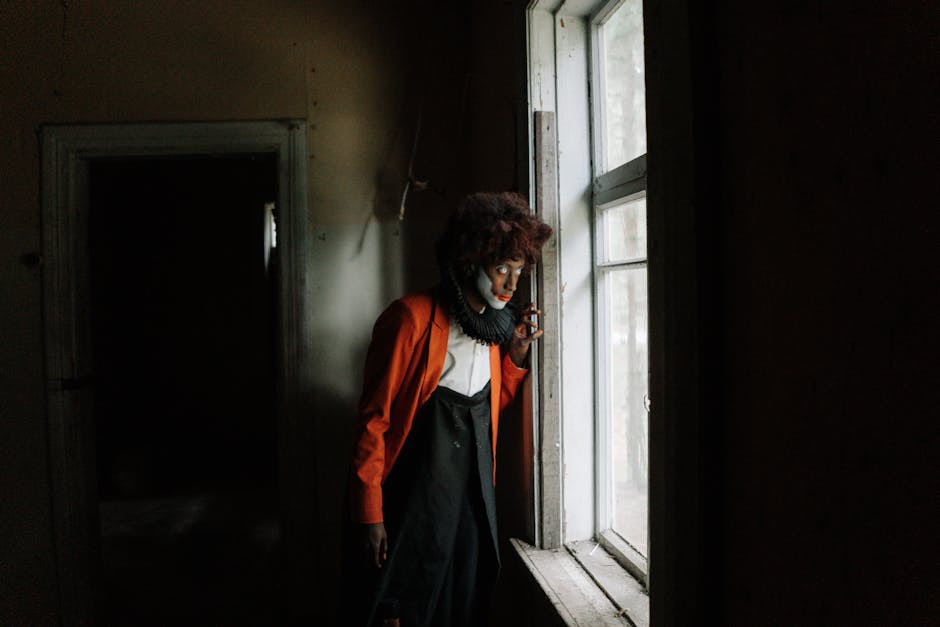
By 2006, the Rake had become a fixture on sites dedicated to paranormal stories. Its presence was further solidified by user-generated art and videos, which gave visual form to the creature’s unsettling features. These multimedia elements made the legend more immersive and accessible, especially for younger audiences who encountered the Rake through platforms like YouTube or DeviantArt.
The Rake’s origin story demonstrates how internet communities can create new myths from scratch. Unlike traditional legends passed down through generations, the Rake’s history is documented in forum threads and archived web pages. This transparency allows researchers to trace its development in detail, offering insight into how digital folklore takes shape.
Key Characteristics and Story Elements
The Rake is defined by a set of core features that remain consistent across most versions of the story. Its appearance is typically described as gaunt and hairless, with large eyes and elongated fingers tipped with claws. The creature is often depicted crouching or crawling, heightening its unsettling presence. These physical traits are designed to evoke discomfort without relying on overt gore or violence.
Encounters with the Rake usually follow a similar pattern: individuals wake up at night to find the creature watching them from the foot of their bed or lurking in a corner. Witnesses report feelings of dread or paralysis, sometimes accompanied by cryptic messages or warnings from the creature itself. The stories often end abruptly, leaving readers with a lingering sense of unease.
Several recurring themes appear in Rake narratives:
- Unexplained disappearances or deaths following sightings
- Psychological distress among survivors
- Lack of physical evidence despite multiple reports
- References to historical encounters dating back centuries (fabricated for effect)
These elements contribute to the legend’s credibility within its own universe. By including supposed historical references and consistent details across stories, contributors create an illusion of continuity and authenticity.
The table below summarizes common traits associated with the Rake:
| Trait | Description |
|---|---|
| Physical Appearance | Pale skin, hairless body, long claws, large eyes |
| Behavior | Appears at night, watches victims silently |
| Reported Effects | Fear, sleep paralysis, psychological trauma |
| Alleged Sightings | Multiple unverified accounts online |
| Historical References | Fabricated diary entries and news clippings |
The Spread of Digital Folklore
The Rake’s popularity is tied closely to how digital folklore spreads in online communities. Unlike oral traditions that rely on word-of-mouth transmission, internet legends benefit from instant sharing and global reach. Platforms like Reddit’s r/nosleep and YouTube have played a significant role in keeping the story alive and introducing it to new audiences.
Creepypasta websites serve as archives for these stories, allowing users to read, rate, and comment on submissions. This interactive format encourages participation and adaptation. The Rake’s story has been translated into multiple languages and adapted into various media formats, including short films and podcasts.
Several factors contribute to the rapid spread of internet monsters like the Rake:
- Anonymity allows users to share personal-sounding stories without fear of ridicule
- Multimedia content (artwork, videos) makes legends more engaging
- Collaborative storytelling fosters community involvement
- Algorithms on social media platforms amplify trending topics
- Younger audiences are drawn to interactive horror experiences
This ecosystem supports not only the creation but also As new users encounter the Rake, they add their own interpretations or spin-off stories, keeping the legend fresh and relevant.
The collaborative nature of these communities means that no single version of the story is definitive. Instead, there are countless variations tailored to different audiences or platforms. This flexibility helps ensure that internet monsters like the Rake remain part of online culture for years.
Cultural Impact and Media Adaptations
The influence of the Rake extends beyond online forums into broader popular culture. The creature has inspired independent horror games such as “The Rake: Red Forest” and “The Rake: Hostel,” which use its image and lore as central elements (Steam Store). These games often focus on survival mechanics and atmospheric tension rather than graphic violence, mirroring the original stories’ emphasis on psychological horror.
YouTube creators have produced short films and found-footage series featuring the Rake as an antagonist. These adaptations vary in quality but demonstrate how internet legends can cross over into different media formats. Some projects blend documentary-style storytelling with fictional elements to heighten realism.
The Rake has also been referenced in mainstream television shows and podcasts discussing internet folklore or unexplained phenomena. Its image appears in fan art across platforms like DeviantArt and Instagram, where artists reinterpret its appearance based on their own fears or aesthetic preferences.
This widespread presence underscores how digital monsters can influence creative expression across multiple genres. The Rake’s adaptability makes it a popular subject for experimentation among writers, artists, and game developers alike.
The table below highlights some notable media appearances:
| Media Type | Example/Title | Year |
|---|---|---|
| Video Game | The Rake: Red Forest | 2016 |
| YouTube Series | Marble Hornets (inspired elements) | 2009-2014 |
| Podcast Episode | Lore Podcast: “They Made a Tonic” | 2017 |
| Fan Art Collection | DeviantArt – Various Artists | Ongoing |
| Short Film | The Rake (YouTube) | 2015+ |
Psycho-Social Effects on Audiences
The psychological impact of stories like the Rake goes beyond simple entertainment value. Research published in journals such as “Computers in Human Behavior” notes that exposure to online horror can influence sleep patterns, anxiety levels, and even belief in supernatural phenomena (ScienceDirect.com). For some individuals (especially younger users) these stories can blur boundaries between fiction and reality.
The collaborative nature of creepypasta communities can also foster a sense of belonging among participants. Sharing personal experiences or creative works related to the Rake allows users to connect over shared interests in horror and storytelling. However, this engagement can sometimes lead to rumors or hoaxes spilling over into real life.
A small number of cases have involved individuals claiming real-life encounters with creatures resembling the Rake. While these reports lack credible evidence, they illustrate how digital folklore can influence perceptions and behaviors offline. The viral nature of such stories can amplify fear or anxiety within certain groups.
Parents and educators have raised concerns about exposure to internet horror content among teenagers. Discussions around digital literacy emphasize teaching young people how to distinguish between fiction created for entertainment and information presented as fact (Common Sense Media). Understanding these dynamics is essential for navigating online spaces safely.
The psycho-social effects of internet monsters highlight both positive aspects (such as creativity and community) and potential risks related to misinformation or distress among vulnerable audiences.
The Ongoing Evolution of Internet Monsters
The story of the Rake continues to evolve as new platforms emerge and storytelling techniques change. Social media algorithms now play a significant role in determining which legends gain traction. Short-form video apps like TikTok have introduced new formats for sharing horror stories, often condensing complex narratives into quick visual snippets.
This shift toward multimedia storytelling has influenced how audiences engage with digital folklore. Visual effects, sound design, and interactive features make legends like the Rake more immersive than ever before. User-generated content remains central to this process; each retelling adds layers to the myth while keeping it relevant for contemporary audiences.
The adaptability of internet monsters ensures their longevity within digital culture. As technology advances, so too do the methods for creating and sharing these stories. Researchers studying digital folklore note that such legends serve as mirrors for societal anxieties, reflecting fears about privacy, technology, or isolation in ways that resonate with large audiences (Taylor & Francis Online).
The continued popularity of figures like the Rake demonstrates that online communities will likely keep generating new myths tailored to emerging platforms and cultural concerns.
The rise of the Rake offers insight into how collective storytelling shapes modern folklore in digital spaces. Its development from a forum experiment into a widely recognized internet monster illustrates both the creativity and unpredictability of online communities. As people continue to interact with these stories (whether by reading, creating art, or producing media adaptations) the boundaries between fiction and reality remain fluid.
The impact of internet monsters like the Rake extends beyond entertainment value; they influence cultural trends, inspire creative works across genres, and prompt discussions about digital literacy and psychological well-being. Understanding their origins and effects helps explain why such legends endure and why they will likely continue evolving alongside technology and society itself.