The Mandela Effect and Why So Many Remember Things Differently
The Mandela Effect describes a phenomenon where large groups of people remember events, facts, or details differently from how they actually occurred. This effect gained its name from widespread false memories about Nelson Mandela’s death, many people distinctly recalled him dying in prison during the 1980s, even though he was released and later became South Africa’s president. The Mandela Effect has since become a popular subject in psychology, pop culture, and online communities, raising questions about the reliability of memory and how collective beliefs can diverge from reality.
Instances of the Mandela Effect are not limited to historical events. They often involve popular culture references, brand names, and even geography. These shared misremembrances have sparked debates among friends, families, and internet forums, with some attributing the phenomenon to cognitive errors while others speculate about alternate realities or parallel universes. Understanding why so many people remember things differently requires a closer look at how human memory works, the influence of social dynamics, and the role of misinformation in shaping collective recollections.
Understanding Human Memory and Its Flaws
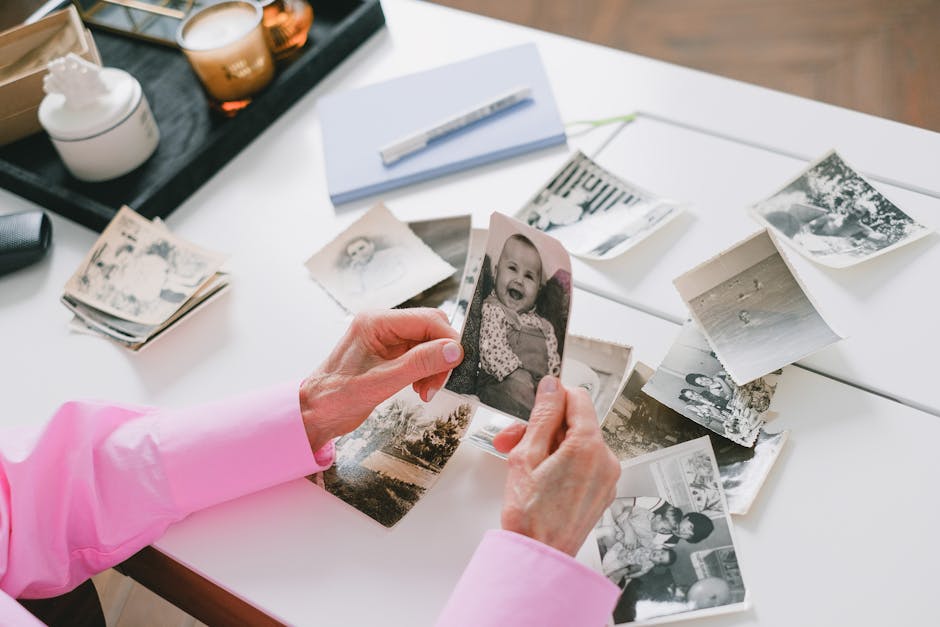
Human memory is not a perfect recording device. Instead, it is reconstructive, meaning that each time we recall an event or fact, our brains piece together fragments of information. According to research published by psychologicalscience.org, this process can introduce errors, especially when memories are influenced by suggestion or group consensus. Factors such as stress, time elapsed, and emotional significance can further distort what we remember.
Some common reasons for memory distortion include:
- Confabulation: Filling in gaps in memory with fabricated or misinterpreted information.
- Misinformation effect: Incorporating incorrect details from external sources after an event has occurred.
- Source confusion: Mixing up where or how a memory was acquired.
These mechanisms help explain why individuals might confidently recall details that never happened or remember them differently from others. For example, many people insist that the children’s book series is called “The Berenstein Bears” when it is actually “The Berenstain Bears.” Such errors are often reinforced by repeated exposure to incorrect versions through conversation or media.
Popular Examples of the Mandela Effect
The Mandela Effect has produced a wide range of memorable cases that continue to puzzle and amuse people. Some of the most cited examples include:
- “Luke, I am your father”: Many recall Darth Vader saying this iconic line in Star Wars, but the actual quote is “No, I am your father.”
- The Monopoly Man: Contrary to popular belief, the character does not wear a monocle.
- Pikachu’s tail: Some remember Pikachu having a black-tipped tail, but official artwork shows it is entirely yellow with only a brown base.
- Fruit of the Loom logo: People often recall a cornucopia behind the fruit, which has never been part of the logo.
These examples highlight how collective memory can be shaped by repetition and cultural references. In my own experience, I was convinced that the “Febreze” air freshener was spelled “Febreeze,” only to discover otherwise during a trivia night. Such moments can be surprising and even unsettling, prompting further curiosity about how these shared misconceptions arise.
The Role of Social Influence and Digital Media
Social dynamics play a significant role in amplifying the Mandela Effect. When a group repeatedly discusses or shares an incorrect memory, it can become entrenched as fact for those involved. According to a study by scientificamerican.com, collective reinforcement can make false memories feel more authentic and widespread.
The internet accelerates this process by allowing misinformation to spread rapidly. Viral posts, memes, and videos often present altered facts as truth, leading more people to adopt these inaccuracies. Online communities dedicated to the Mandela Effect encourage users to share their own experiences, which can validate and perpetuate mistaken beliefs. This feedback loop makes it increasingly difficult to distinguish between genuine memories and those shaped by external influences.
- Group discussions on forums like Reddit can reinforce false memories.
- Social media algorithms may prioritize sensational or controversial content, increasing exposure to incorrect information.
- Fact-checking resources are sometimes overlooked in favor of anecdotal evidence or popular opinion.
Plausible Explanations: Psychology vs. Alternate Realities
While some enthusiasts suggest that the Mandela Effect points to alternate realities or glitches in reality itself, mainstream science offers more grounded explanations. Cognitive psychology attributes these collective misremembrances to normal memory errors and social reinforcement. Dr. Elizabeth Loftus, a leading expert in memory research, has demonstrated how easily false memories can be implanted through suggestion (apa.org).
However, the appeal of more fantastical explanations persists. The idea of parallel universes or shifting timelines captures the imagination and provides an entertaining narrative for why so many people share the same incorrect memories. While there is no scientific evidence supporting these theories, they remain popular in online discussions and speculative fiction.
The Broader Impact: Why It Matters
The Mandela Effect is more than just a collection of quirky anecdotes, it reveals important truths about how people process information and form shared beliefs. In an era where misinformation can spread quickly and influence public opinion, understanding the fallibility of memory is crucial. Educators and psychologists use examples from the Mandela Effect to teach critical thinking skills and encourage skepticism toward widely accepted “facts.”
On a personal level, encountering the Mandela Effect can be humbling. It reminds us that confidence in our own recollections does not guarantee accuracy. This awareness can foster open-mindedness and a willingness to verify information before accepting it as true.
The Mandela Effect continues to fascinate because it challenges assumptions about memory and reality. By exploring its causes (from cognitive psychology to social influence) we gain insight into why so many people remember things differently and how these shared errors shape collective understanding. Recognizing the limits of memory can help individuals approach information with greater care and curiosity, making it easier to separate fact from fiction in everyday life.