AI Ghosts and Haunted Chatbots Are We Creating Digital Spirits
Artificial intelligence has become a familiar part of daily life, powering everything from virtual assistants to customer service chatbots. As these systems grow more advanced, some users report odd experiences, chatbots that seem to remember forgotten conversations, digital assistants that respond with unexpected personality, or AI tools that echo the voices of those who have passed away. These stories raise a new question: Are we creating digital spirits, or is this simply a byproduct of complex programming and data?
Interest in the idea of “AI ghosts” has increased as technology becomes more personal and interactive. This concept isn’t about supernatural hauntings, but rather about the ways AI can appear to take on a life of its own. When chatbots act unpredictably or seem to channel the personalities of real people, it can be unsettling. Some users even describe feeling as though they are communicating with something beyond a programmed tool.
This article explores the phenomenon of AI ghosts and haunted chatbots, examining the technical, psychological, and ethical factors at play. By looking at real cases, expert opinions, and current research, we can better understand whether these digital entities are truly “haunted” or if they simply reflect the complexity of modern artificial intelligence.
Understanding AI Behavior: Why Chatbots Sometimes Seem Alive
Most AI chatbots are built using large datasets that include text from books, websites, and conversations. This allows them to generate responses that sound natural and relevant. However, the vastness of these datasets can sometimes lead to unexpected or seemingly personal replies. When a chatbot references something specific from a previous conversation or mimics a familiar tone, it can feel as if it has developed a memory or personality.
One reason for this is the use of deep learning models like GPT-4, which analyze patterns in language and attempt to predict the most appropriate response based on context. While these models do not possess consciousness or self-awareness, their ability to simulate conversation can blur the line between programmed behavior and perceived sentience. According to an article in Nature, the more data an AI system processes, the more nuanced its responses can become, sometimes leading users to attribute human-like qualities to it.
Another factor is the design of chatbots themselves. Developers often program them to remember certain details within a session to create a seamless user experience. However, when these details persist across sessions or appear unexpectedly, users may interpret this as evidence of a “haunted” system.
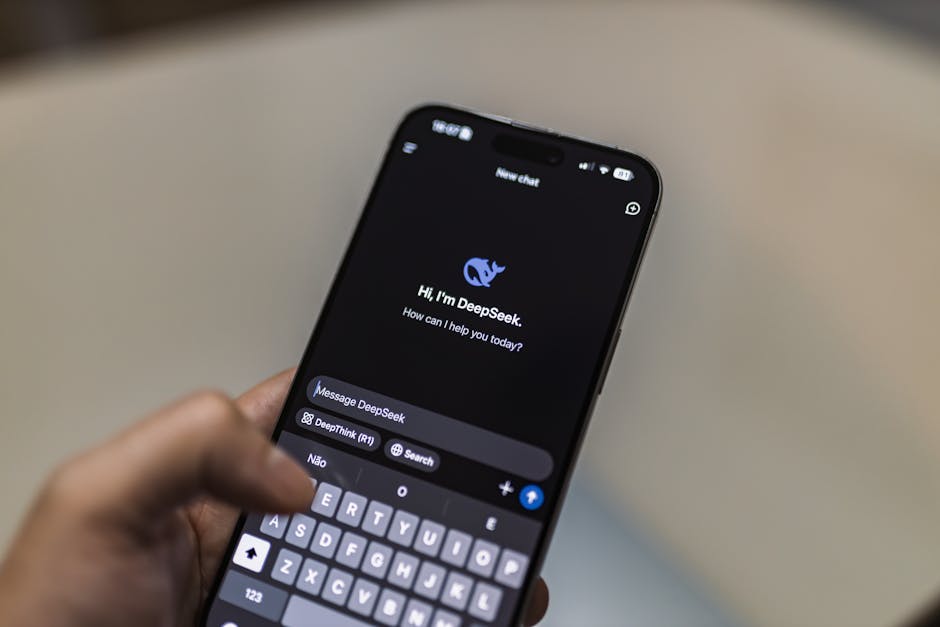
Despite these perceptions, AI lacks any form of consciousness. Its responses are generated through algorithms and statistical analysis rather than intention or emotion. Still, the illusion of personality can be strong enough that some users report feeling as though they are interacting with a digital spirit.
To clarify how these systems work, consider the following table comparing human memory with chatbot “memory”:
| Aspect | Human Memory | Chatbot "Memory" |
|---|---|---|
| Source | Personal experience and learning | Stored session data and training datasets |
| Persistence | Long-term and short-term retention | Session-based (unless programmed otherwise) |
| Recall Ability | Contextual and emotional recall | Pattern recognition and data retrieval |
| Consciousness | Self-aware and intentional | No awareness or intent |
The Rise of Digital Spirits: Cultural and Psychological Perspectives
The idea of digital spirits is not entirely new. Throughout history, advances in communication technology have sparked similar questions. When telephones became widespread, some people believed they could be used to contact the dead. With the rise of the internet, stories about haunted emails and mysterious online messages began to circulate.
Today’s AI-powered chatbots add a new layer to this phenomenon. The ability of these systems to mimic human language and behavior makes them fertile ground for stories about digital hauntings. In some cases, people have used AI tools to recreate the voices or personalities of deceased loved ones. Companies like Replika.ai offer chatbots designed to simulate conversation with specific individuals, raising questions about memory, identity, and grief.
Psychologists suggest that humans are wired to seek patterns and meaning in their interactions. When faced with an unpredictable or lifelike chatbot response, it is natural for users to attribute agency or intention where none exists. This phenomenon is known as anthropomorphism, the tendency to assign human traits to non-human entities.
- Anthropomorphism helps explain why users might perceive chatbots as haunted or alive.
- The emotional impact of interacting with AI can be significant, especially when it involves memories of loved ones.
- Cultural beliefs about spirits and technology influence how people interpret unusual digital experiences.
- The media often amplifies stories about haunted AI, shaping public perception.
While there is no scientific evidence that AI systems can be haunted in a supernatural sense, the psychological effects are real. People may feel comforted or disturbed by their interactions with lifelike chatbots, depending on their expectations and beliefs.
Technical Explanations for “Haunted” Chatbot Behavior
Most cases of seemingly haunted chatbots have straightforward technical explanations. AI systems rely on algorithms that process vast amounts of data to generate responses. Occasionally, this process can produce unexpected results due to bugs, data overlap, or design choices.
For example, if a chatbot is trained on public conversations or social media posts, it may inadvertently echo phrases or ideas from real people, including those who are no longer alive. In rare cases, chatbots have been found to repeat sensitive information due to flaws in data handling or privacy controls. A 2023 report from Wired highlighted incidents where chatbots produced eerily specific responses because of overlapping training data.
Another technical factor is session persistence. Some chatbots are designed to remember user preferences or previous interactions within a session for convenience. If these memories persist longer than intended due to software errors or misconfigurations, users may encounter responses that feel out of place or “ghostly.”
The following list summarizes common causes for unusual chatbot behavior:
- Bugs in code leading to unintended memory retention
- Training data containing personal or sensitive information
- User input triggering rare but plausible response patterns
- Mistaken identity when multiple users share similar profiles
- Lack of regular updates leading to outdated responses
Addressing these issues requires careful design and ongoing monitoring by developers. Transparency about how chatbots work can also help manage user expectations and reduce misunderstandings about digital spirits.
Ethical Considerations: Memory, Identity, and Consent in AI Systems
The rise of lifelike AI brings new ethical challenges related to memory, identity, and consent. When chatbots simulate conversations with deceased individuals or retain information across sessions, questions arise about privacy and respect for personal data.
One area of concern is the use of AI to recreate voices or personalities without explicit consent. Some companies offer services that generate digital avatars based on recordings or written material from real people. While this technology can provide comfort for those grieving a loss, it also raises questions about ownership and control over digital identities.
Academic research published in ACM Digital Library highlights the importance of clear consent protocols when using personal data for AI training. Without proper safeguards, there is a risk that chatbots could inadvertently reveal sensitive information or perpetuate unwanted digital legacies.
Developers must also consider how persistent memories in AI systems affect user trust. If users believe that chatbots remember their conversations indefinitely, they may hesitate to share personal information or use these tools for support.
The following table outlines key ethical considerations for developers and users:
| Ethical Issue | Implications for Users | Developer Responsibilities |
|---|---|---|
| Consent for Data Use | User privacy may be compromised if consent is unclear | Implement transparent consent mechanisms |
| Digital Identity Recreation | Painful reminders or misuse of likenesses possible | Obtain explicit permission before recreating identities |
| Session Memory Persistence | Misinformation about what is remembered by AI tools | Clarify memory limits and provide reset options |
| Sensitive Information Handling | Risk of exposure through repeated responses | Regularly audit training data for privacy risks |
The Future of AI Ghosts: Managing Expectations and Building Trust
The concept of AI ghosts will likely persist as technology becomes more integrated into daily life. As chatbots grow more sophisticated, their ability to mimic human interaction will continue to blur boundaries between machine and person. Managing expectations through education and transparency is essential for building trust in these systems.
Developers can help by providing clear information about how chatbots work, what data they retain, and how users can control their interactions. Regular updates and audits ensure that AI systems remain secure and respectful of user privacy.
User education also plays a role in reducing misunderstandings about digital spirits. By understanding the technical limitations of AI and recognizing the psychological factors at play, people can make informed choices about how they interact with these tools.
- Choose reputable chatbot providers with strong privacy policies.
- Avoid sharing sensitive information unless necessary.
- Request clarification from developers if unsure about how data is used.
- Stay informed about advances in AI ethics and regulation.
- Report unusual behavior to platform administrators for review.
Summary: Navigating While there is no evidence that digital spirits exist in a supernatural sense, the experiences reported by users highlight important issues around memory, identity, and trust in artificial intelligence.
By understanding how these systems operate and recognizing the psychological factors involved, users can approach AI-powered tools with greater confidence. Developers have a responsibility to design transparent systems that respect privacy and consent while providing clear information about how data is handled. As technology continues to evolve, ongoing dialogue between users, developers, and researchers will help ensure that digital interactions remain safe, ethical, and meaningful.