Creepypasta Stories Unpacking the New Wave of Online Folklore
Creepypasta stories have become a defining feature of internet folklore, blending horror fiction with the viral nature of online communities. These digital tales, often shared on forums and social media, have evolved from simple ghost stories into a complex genre that shapes how people experience fear and myth in the digital space. Their influence stretches far beyond entertainment, impacting pop culture, inspiring real-world events, and even prompting academic research. Understanding the origins, mechanics, and cultural impact of creepypasta is essential for anyone curious about the intersection of storytelling and technology.
Origins and Evolution of Creepypasta
The term “creepypasta” is a portmanteau of “creepy” and “copypasta,” the latter referring to blocks of text copied and pasted across the internet. Early creepypasta stories emerged in the late 2000s on platforms like 4chan and Something Awful, where users would share unsettling tales designed to unsettle or frighten readers. These stories quickly gained traction due to their accessibility and the participatory nature of online communities.
Initially, creepypasta stories were short, anonymous, and often urban legend-inspired. Over time, they grew more elaborate, with recurring characters and interconnected mythologies. The genre’s flexibility allowed it to absorb influences from horror literature, film, and video games, leading to the creation of iconic figures such as Slender Man and Jeff the Killer. These characters became internet legends in their own right, spawning fan art, videos, and even independent games.
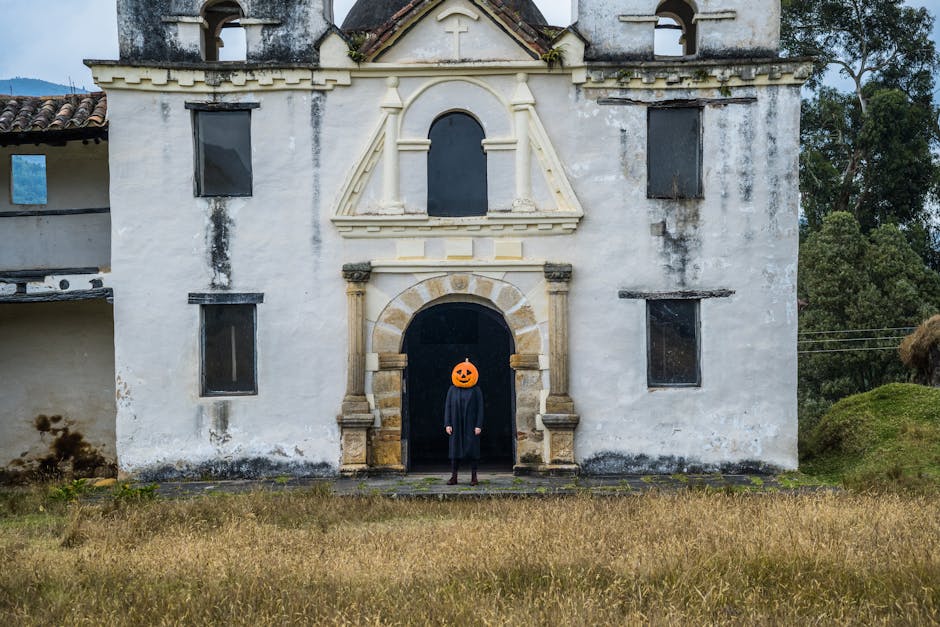
As the genre matured, dedicated websites like creepypasta.com and subreddits such as r/NoSleep provided platforms for writers to publish longer, serialized works. This shift encouraged higher-quality writing and more complex narratives, attracting a broader audience and cementing creepypasta’s place in digital folklore.
| Creepypasta Character | First Appearance | Notable Impact |
|---|---|---|
| Slender Man | 2009 (Something Awful) | Inspired games, documentaries, and real-life incidents |
| Jeff the Killer | 2008 (YouTube/Forums) | Became a meme; inspired art and cosplay |
| BEN Drowned | 2010 (4chan) | Spawned ARGs (Alternate Reality Games) |
Mechanics of Viral Storytelling
Creepypasta’s success relies heavily on its ability to spread organically through user engagement. Unlike traditional literature, these stories are designed for sharing, often written in a conversational tone that mimics firsthand accounts. The anonymity of authorship adds an air of authenticity, blurring the lines between fiction and reality for readers.
Many creepypasta stories use familiar internet tropes: lost episodes of children’s shows, haunted video games, or mysterious emails. By leveraging common digital experiences, writers create narratives that feel plausible within the context of online life. This relatability is key to their viral potential.
- User participation through comments and story continuations
- Integration with multimedia (images, audio files, videos)
- Collaborative world-building across forums and wikis
- Adaptation into podcasts and YouTube series
This participatory model encourages readers to not only consume but also contribute to the lore. As a result, creepypasta has become a living genre that evolves with each new contribution.
Cultural Impact and Real-World Consequences
The influence of creepypasta extends beyond online spaces. Characters like Slender Man have entered mainstream consciousness through documentaries, video games, and even feature films. The genre’s reach has prompted both fascination and concern among parents, educators, and mental health professionals.
This event sparked widespread debate about the responsibility of online communities and the psychological effects of internet folklore on impressionable audiences (bbc.com).
Despite these controversies, many experts argue that creepypasta serves as a modern form of myth-making. It provides a safe space for exploring fear and confronting anxieties in a controlled environment. The collaborative nature of these stories also fosters creativity and community among fans.
The Role of Multimedia in Expanding Creepypasta Lore
Creepypasta’s adaptability is evident in its embrace of multimedia formats. Stories are no longer confined to text; they often include manipulated images, eerie audio clips, or short films that enhance immersion. Platforms like YouTube have popularized “creepypasta readings,” where narrators add sound effects and visuals to heighten suspense.
This multimedia approach has broadened the genre’s appeal. Podcasts such as “Creepy” and “The NoSleep Podcast” bring stories to life through professional voice acting and production quality. Video games inspired by creepypasta (like “Slender: The Eight Pages”) allow players to experience horror firsthand.
The integration of various media forms not only attracts new audiences but also encourages cross-platform storytelling. Fans can follow a narrative from a forum post to a video series or an interactive game, deepening their engagement with the material.
Community Dynamics and Fan Contributions
The community aspect is central to creepypasta’s ongoing relevance. Fans are not passive consumers; they actively shape the genre by writing sequels, creating fan art, or developing alternate endings. This collaborative spirit has led to the formation of dedicated online spaces where enthusiasts discuss theories, share recommendations, and critique new works.
Moderation plays a crucial role in maintaining quality and safety within these communities. Popular forums implement guidelines to prevent plagiarism, encourage constructive feedback, and address sensitive topics responsibly. Some sites even offer mentorship programs for aspiring writers.
Personal experience shows that engaging with these communities can be both inspiring and challenging. While creativity flourishes in such environments, debates over story ownership or canon can sometimes lead to conflict. However, these discussions often result in richer narratives and stronger connections among members.
Academic Perspectives on Creepypasta as Folklore
Scholars have begun to recognize creepypasta as a legitimate subject of study within folklore and media studies. Researchers analyze how these stories reflect societal fears, ranging from technology gone awry to anxieties about identity in digital spaces (journals.sagepub.com). The participatory nature of creepypasta aligns with traditional oral storytelling but adapts it for the internet age.
Studies highlight how creepypasta functions as both entertainment and cautionary tale. By circulating warnings about haunted software or cursed images, these stories echo older legends while addressing contemporary concerns. Academics also explore how online anonymity shapes narrative authenticity and audience trust.
This growing body of research underscores the importance of digital folklore in understanding modern culture. Creepypasta offers insights into collective fears, creative collaboration, and the evolving relationship between technology and storytelling.
The Enduring Appeal of Creepypasta Stories
Creepypasta remains a vibrant part of online culture because it adapts to changing technologies and audience preferences. Whether experienced through text, audio, or interactive media, these stories continue to captivate readers with their blend of horror, mystery, and community-driven creativity.
The genre’s evolution from simple copy-pasted tales to complex multimedia narratives highlights its resilience and relevance. As new generations discover creepypasta, they bring fresh perspectives that keep the tradition alive while pushing its boundaries in unexpected directions.
Reflecting on creepypasta’s journey reveals much about how people use technology to share fears and build connections. These stories are more than just entertainment, they are living artifacts that document the hopes, anxieties, and imaginations of digital communities. By unpacking their origins, mechanics, and cultural significance, it becomes clear that creepypasta is not just a fleeting trend but an enduring form of modern folklore.