Modern Witches How Social Media is Rewriting Magical Folklore
Witchcraft and magical folklore have always evolved alongside culture, but the past decade has seen a remarkable transformation in how these traditions are shared, practiced, and understood. Social media platforms such as TikTok, Instagram, and YouTube have become central spaces for the exchange of spells, rituals, and personal stories, connecting practitioners across continents in real time. This digital shift is not just about visibility; it is actively reshaping the language, aesthetics, and even the ethics of modern witchcraft. As hashtags like #WitchTok and #WitchesOfInstagram trend globally, centuries-old beliefs are being reinterpreted, democratized, and sometimes commercialized in ways that previous generations of witches could never have imagined.
The Digital Gathering: How Social Media Connects Modern Witches
Social media has created a virtual coven for witches who may have once felt isolated or misunderstood in their local communities. Platforms like TikTok and Instagram allow users to share short videos demonstrating spellwork, tarot readings, or crystal grids, making magical practices more accessible than ever. The sense of community is palpable, users comment with encouragement, share their own experiences, and even collaborate on group rituals timed to lunar cycles or seasonal festivals.
One striking aspect is the diversity within these online spaces. Practitioners from different backgrounds bring unique perspectives to the digital table, sharing folk traditions from Latin America, Africa, Asia, and Europe. This cross-pollination has led to a blending of magical systems and the creation of new hybrid practices. For example, a trending TikTok video might combine Celtic herbalism with Hoodoo candle magic, reflecting the pluralistic nature of today’s online witchcraft.
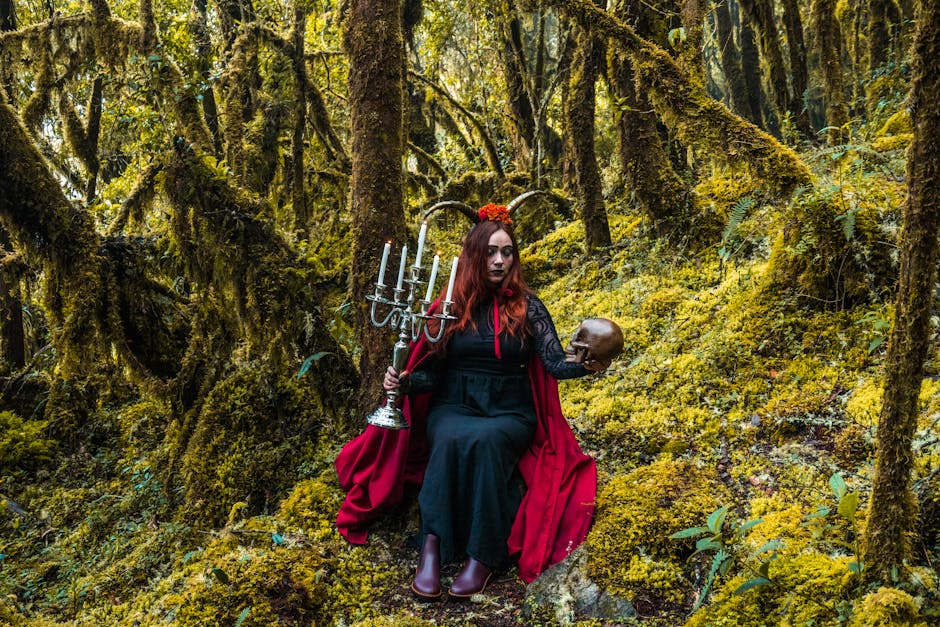
While this connectivity can be empowering, it also presents challenges. Debates over cultural appropriation, authenticity, and commercialization frequently arise. Many established witches express concern that social media can oversimplify complex traditions or encourage superficial engagement. Still, for many young practitioners, these platforms offer a lifeline, a place to learn, grow, and find acceptance.
| Platform | Key Features for Witches | Popular Hashtags |
|---|---|---|
| TikTok | Short-form spell tutorials, trend-driven content | #WitchTok, #BabyWitch |
| Visual storytelling, aesthetic rituals | #WitchesOfInstagram, #WitchAesthetic | |
| YouTube | Long-form educational videos, vlogs | #ModernWitchcraft |
Rewriting Folklore: Tradition Meets Trend
The rapid spread of magical content online has led to a reinterpretation of folklore. Classic symbols (such as the pentacle or broomstick) are now paired with memes and pop culture references. Rituals once passed down orally are being adapted for digital audiences, often condensed into 60-second videos or illustrated infographics.
This process can breathe new life into old traditions. For instance, the resurgence of interest in lunar magic has led to creative reinterpretations of moon rituals that blend ancient customs with modern self-care practices. At the same time, some folklorists worry that the nuances of regional witchcraft may be lost as content is standardized for mass appeal. The pressure to create “viral” content can sometimes lead to the spread of misinformation or the dilution of traditional knowledge.
Despite these concerns, social media has enabled a broader conversation about what it means to be a witch in the 21st century. Practitioners are encouraged to experiment and personalize their craft rather than adhere strictly to inherited rules. This flexibility is especially appealing to younger witches who value individuality and inclusivity.
Commercialization and the Rise of Witchcraft Influencers
The intersection of witchcraft and commerce is nothing new, occult bookstores and metaphysical shops have long been part of the landscape. However, social media has accelerated the commercialization of magical practices. Influencers now market everything from tarot decks to crystal-infused skincare products to global audiences.
Many witches use their platforms to support small businesses selling ethically sourced herbs or handcrafted ritual tools. Others have built entire brands around their online personas, offering paid workshops or personalized spell kits. While this entrepreneurial spirit can help sustain practitioners financially, it also raises questions about authenticity and exploitation.
- Sponsored content: Influencers often partner with brands to promote magical products.
- Online courses: Paid classes on astrology, tarot reading, or spellwork are widely available.
- Subscription services: Monthly boxes deliver curated magical supplies to subscribers’ doors.
- Digital readings: Tarot or astrology sessions conducted via video call or messaging apps.
The line between genuine spiritual practice and consumerism can be blurry. Some community members worry that the focus on aesthetics and products may overshadow deeper aspects of witchcraft such as personal growth or social activism.
Community Building and Activism Through Magic
Beyond aesthetics and commerce, social media has become a powerful tool for organizing collective action within the witchcraft community. Online campaigns have mobilized witches for causes ranging from climate justice to reproductive rights. Hashtags like #HexThePatriarchy or #WitchesForJustice reflect a growing trend toward political engagement through magical means.
This activism is not limited to symbolic gestures. In 2020, groups of witches coordinated mass rituals aimed at supporting Black Lives Matter protests and raising awareness about systemic racism. These efforts often blend practical activism (such as fundraising or educational outreach) with spiritual work like group meditations or protection spells.
The accessibility of social media allows marginalized voices within the witchcraft community to gain visibility. LGBTQ+ witches, witches of color, and disabled practitioners use these platforms to share their stories and advocate for greater inclusion within both magical and mainstream spaces. This shift toward intersectionality marks a significant departure from earlier representations of witchcraft as a largely white or heteronormative practice.
The Double-Edged Sword: Misinformation and Gatekeeping
The democratization of magical knowledge online comes with risks. The speed at which information spreads on social media can amplify inaccuracies or outright falsehoods about spells, deities, or historical practices. Viral trends sometimes encourage dangerous behaviors (such as ingesting toxic herbs) without adequate warnings or context.
Gatekeeping is another challenge. Some experienced practitioners criticize “baby witches” (newcomers) for perceived lack of knowledge or respect for tradition. Heated debates can erupt over issues like whether it’s appropriate to share certain rituals publicly or who has the right to practice specific forms of magic.
Despite these tensions, many community leaders advocate for a balanced approach that combines openness with responsible education. Resources such as learnreligions.com provide fact-checked articles on magical topics, helping users distinguish between reliable information and internet myths.
Personal Experiences: Navigating Magic in a Digital Age
For many practitioners, social media is both a classroom and a diary. Sharing personal experiences (whether successes or failures) helps demystify witchcraft and fosters a sense of solidarity among users. I’ve found that connecting with others online has deepened my own understanding of magical folklore; exchanging tips on ancestor veneration with someone halfway across the globe brings fresh insight into practices I once thought were static or region-bound.
Several witches report that documenting their spiritual journey online keeps them accountable and motivated. Publicly setting intentions during new moon rituals or sharing progress on learning tarot creates a supportive environment where growth is celebrated rather than judged.
This transparency also encourages critical thinking. When users encounter conflicting advice or questionable claims online, they are prompted to research further and develop discernment, a skill that serves both magical practice and daily life.
The Future of Magical Folklore in the Age of Social Media
The integration of witchcraft into social media has fundamentally changed how magical folklore is preserved and propagated. While some traditions risk being diluted or misrepresented in the rush for viral content, others are thriving thanks to renewed interest and creative adaptation. The ongoing dialogue between tradition and innovation ensures that witchcraft remains a living practice rather than a relic of the past.
Looking ahead, it’s likely that digital platforms will continue to influence how witches connect, learn, and organize for social change. The challenge will be maintaining integrity while embracing evolution, balancing respect for ancestral wisdom with openness to new ideas.
Social media’s impact on modern witchcraft is complex: it offers unprecedented access to knowledge and community while raising important questions about authenticity and responsibility. By approaching these digital spaces thoughtfully and supporting credible resources like learnreligions.com, practitioners can help ensure that magical folklore continues to evolve in ways that honor both its roots and its future possibilities.
The story of modern witches is still being written with every post, hashtag, and shared ritual online. As technology continues to shape spiritual expression, those who engage thoughtfully with these platforms have the power to preserve what matters most while welcoming what comes next.