The Chupacabra Returns Tracking the Monster’s Global Evolution
The legend of the Chupacabra has fascinated and unsettled communities across the Americas and beyond for nearly three decades. What began as a series of eerie livestock deaths in Puerto Rico during the 1990s soon evolved into a global phenomenon, with sightings and stories cropping up from Texas to Russia. The Chupacabra (literally “goat-sucker” in Spanish) has become a symbol of modern folklore, blending fear, curiosity, and cultural adaptation. As reports of this mysterious creature continue to surface, its story reflects not only regional anxieties but also the ways in which myths adapt and spread in a connected society. Understanding the Chupacabra’s journey from local legend to international cryptid offers insight into how monsters are made, shared, and believed.
Origins: Puerto Rico’s First Encounters
The earliest documented accounts of the Chupacabra trace back to Puerto Rico in 1995, when a rash of unexplained livestock deaths left farmers bewildered and anxious. Animals were found drained of blood, with puncture wounds on their necks, a detail that quickly fueled speculation about a blood-sucking predator. Local newspapers such as El Nuevo Día chronicled these events, amplifying public concern and giving rise to the name “Chupacabra.”
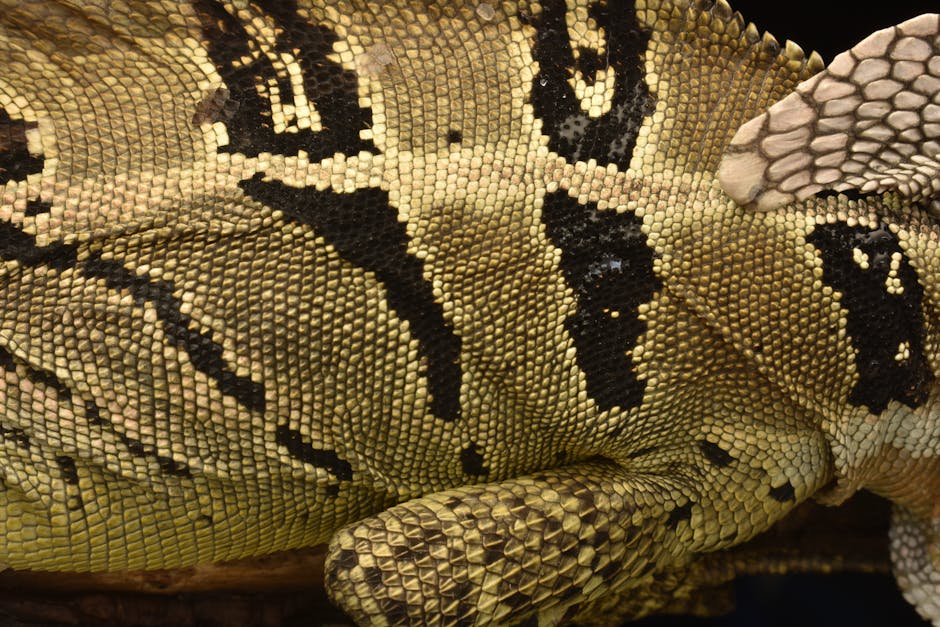
Eyewitness descriptions from this period often depicted a creature with spines along its back, glowing red eyes, and a reptilian appearance. These details were widely circulated by media outlets and talk shows, embedding the image of the Chupacabra into Puerto Rican popular culture. The fear was palpable; some residents even organized night watches to protect their animals from further attacks.
Academic studies, such as those published in the Journal of Folklore Research, suggest that the Chupacabra legend may have been influenced by earlier tales of vampire-like creatures in Latin America, including the “El Vampiro de Moca” case from the 1970s. The rapid spread of these stories highlights how folklore can quickly adapt to new circumstances and anxieties.
Personal accounts from Puerto Rican farmers reveal a blend of skepticism and belief. Some saw the Chupacabra as a scapegoat for unexplained animal deaths, while others genuinely feared an unknown predator lurking in the shadows. This mix of rational explanation and supernatural suspicion is a hallmark of enduring legends.
Spreading Across Borders: The Chupacabra Goes Global
By the late 1990s, reports of Chupacabra attacks had crossed over to Mexico, Central America, and parts of the southern United States. Each region adapted the legend to fit local fears and folklore traditions. In Texas, for example, ranchers began reporting sightings of hairless canines attacking livestock, which were quickly labeled as Chupacabras by local media.
Scientists and wildlife experts have often attributed these cases to coyotes or dogs suffering from mange, which causes severe hair loss and a gaunt appearance. However, this scientific explanation did little to quell public fascination. The persistence of the Chupacabra myth demonstrates how people often prefer extraordinary explanations over mundane realities, especially when faced with mysterious events.
Social media and internet forums played a significant role in amplifying the legend’s reach. Viral videos and photos claiming to show Chupacabra carcasses or attacks have been widely shared, despite many being debunked by experts at institutions like Texas State University (txstate.edu). The phenomenon illustrates how digital platforms can breathe new life into old myths.
In some communities, the Chupacabra has even become a source of local pride or tourism. Towns in Mexico and Texas have hosted festivals celebrating the creature, blending fear with festivity and economic opportunity. This transformation from menace to mascot is not uncommon in cryptid lore.
Evolution of the Legend: Changing Descriptions and Interpretations
As the Chupacabra legend spread geographically, its physical description shifted dramatically. Early Puerto Rican accounts described a reptilian beast with spikes, while later sightings in North America often involved hairless canines. This evolution reflects how folklore adapts to local wildlife and cultural expectations.
The table below summarizes key differences in Chupacabra descriptions by region:
| Region | Physical Description | Common Explanations |
|---|---|---|
| Puerto Rico (1990s) | Reptilian, spiny back, glowing eyes | Supernatural creature, vampire folklore |
| Mexico & Central America | Small beast, sometimes winged or spiny | Mystery animal, possible escaped pet |
| United States (Texas/Southwest) | Hairless canine, sharp teeth | Coyote or dog with mange |
| Russia & Philippines (2010s) | Canine features, sometimes exaggerated size | Exotic animal escapee or hoax |
The flexibility of the Chupacabra’s image has allowed it to persist across cultures and decades. In some cases, witnesses may interpret ordinary animals through the lens of existing myths, a phenomenon known as “ostension,” where stories influence perception (Psychology Today).
Personal experiences often reinforce these beliefs. A rancher in southern Texas recounted finding several goats dead with puncture wounds; despite veterinary evidence pointing to coyotes, neighbors insisted it was the work of a Chupacabra. Such stories highlight how folklore can override scientific reasoning when emotions run high.
Cultural Impact and Ongoing Mystique
The Chupacabra has become more than just a cryptid, it is now a fixture in popular culture. From documentaries on networks like National Geographic to appearances in television series such as “The X-Files,” the creature’s mythos has been cemented in entertainment media (National Geographic). This exposure has helped sustain interest long after initial reports faded.
Communities affected by livestock predation continue to reference the Chupacabra when unexplained deaths occur. The legend serves as both a cautionary tale and a way to process fear of the unknown. In some regions, it has even inspired creative works (murals, songs, and short stories) demonstrating its role as a living piece of folklore.
The adaptability of the Chupacabra myth is evident in its integration into local customs. In parts of Mexico and Central America, children are told stories about the creature as a way to encourage them to stay indoors at night. Meanwhile, cryptozoology enthusiasts organize expeditions hoping to find evidence of its existence.
- Media coverage: News outlets continue to report on alleged sightings.
- Merchandise: Toys, T-shirts, and souvenirs featuring the Chupacabra are sold at festivals.
- Tourism: Some towns leverage the legend for economic benefit through themed events.
- Academic interest: Scholars study its evolution as an example of modern myth-making.
This ongoing fascination underscores how myths can serve multiple purposes: entertainment, cautionary tale, economic opportunity, and cultural identity.
The story of the Chupacabra is far from static; it continues to evolve with each new sighting and retelling. Its journey from rural Puerto Rican farms to global pop culture reveals much about human psychology and our need for mystery. Whether viewed as a cautionary legend or an unsolved puzzle, the Chupacabra invites us to question what we believe and why we are drawn to monsters that lurk just beyond our understanding.