What Sleep Paralysis Can Teach Us About Demonic Visitation Legends
Sleep paralysis is a phenomenon that has fascinated and unsettled people for centuries. Characterized by a temporary inability to move or speak while falling asleep or waking up, it often comes with vivid hallucinations and a strong sense of dread. These experiences can feel so real that many cultures have interpreted them as supernatural encounters, particularly as evidence of demonic visitation or spiritual attacks.
Modern science has provided explanations for sleep paralysis, yet the overlap between its symptoms and the details found in ancient legends is striking. By examining both the neurological basis of sleep paralysis and the folklore surrounding demonic visitations, we gain insight into how human biology and cultural beliefs intertwine, shaping our understanding of mysterious nighttime experiences.
Understanding Sleep Paralysis: Symptoms and Causes
Sleep paralysis occurs during transitions between wakefulness and sleep, specifically when entering or leaving rapid eye movement (REM) sleep. During REM, the body naturally becomes immobile to prevent acting out dreams. Occasionally, a person becomes conscious before this paralysis subsides, leading to a frightening state where they are awake but unable to move.
- Common symptoms: Complete muscle immobility, inability to speak, and a sense of pressure on the chest.
- Hallucinations: Many report seeing shadowy figures, feeling a presence in the room, or hearing strange sounds.
- Duration: Episodes typically last from a few seconds to a couple of minutes.
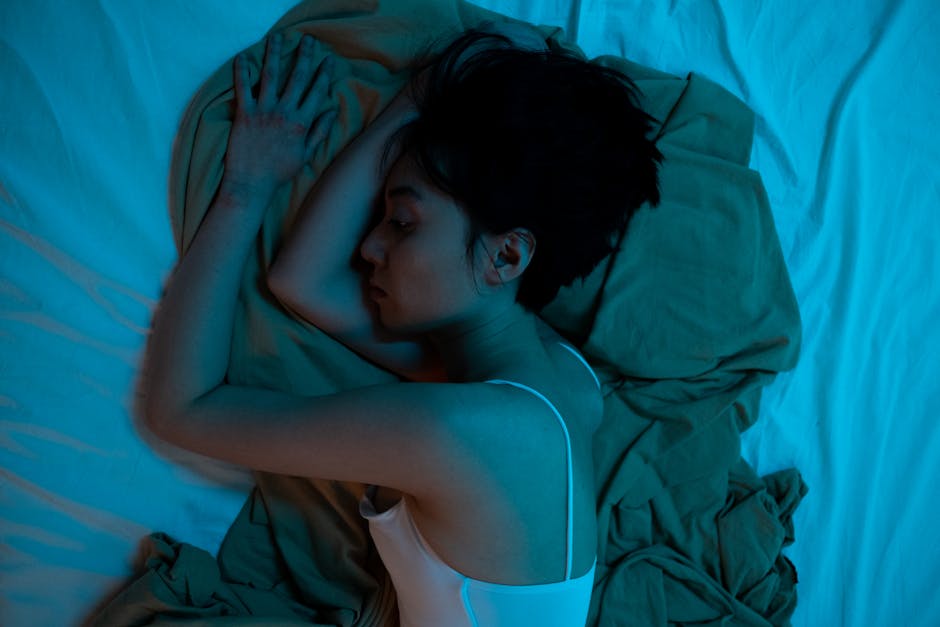
Research from institutions like the Sleep Foundation highlights that sleep paralysis is more likely when individuals experience irregular sleep schedules, high stress, or underlying sleep disorders such as narcolepsy. Genetics may also play a role, as some studies suggest a familial link to susceptibility (ncbi.nlm.nih.gov).
The Historical Roots of Demonic Visitation Legends
Throughout history, cultures worldwide have developed legends to explain the terrifying sensations associated with sleep paralysis. In medieval Europe, the phenomenon was often attributed to attacks by demons or witches. The “incubus” and “succubus” were believed to sit on the chests of sleepers, draining their life force or causing nightmares. Similar stories appear in other cultures: in Japan, the “kanashibari” is thought to be caused by vengeful spirits; in Nigeria, it is called “the devil on your back.”
These legends share several features with modern descriptions of sleep paralysis:
- A sense of being watched or threatened by an unseen entity
- Physical sensations of weight or pressure on the chest
- An inability to move or cry out for help
The consistency of these accounts across time and geography suggests that sleep paralysis is a universal human experience. The supernatural explanations provided comfort and context in eras before scientific understanding of sleep and neurology was available (bbc.com).
The Science Behind Nighttime Terrors
Neuroscientific research has shed light on why sleep paralysis feels so real and terrifying. During REM sleep, the brain is highly active (almost as much as when awake) while the body remains paralyzed. If someone becomes conscious during this stage, their mind may blend dream imagery with real sensory input, resulting in vivid hallucinations.
Studies using brain imaging have shown increased activity in regions responsible for fear and threat detection during these episodes (scientificamerican.com). This helps explain why people often sense an evil presence or see menacing figures. The feeling of pressure on the chest is likely due to disrupted breathing patterns common in REM sleep.
- Contributing factors:
- Sleep deprivation
- Anxiety or stress
- Irregular sleep patterns
- Certain medications or substance use
While frightening, sleep paralysis is generally harmless from a medical perspective. However, frequent episodes may signal an underlying sleep disorder that warrants professional attention.
Cultural Interpretations and Personal Experiences
The way people interpret sleep paralysis is deeply influenced by cultural background and personal beliefs. In communities where supernatural explanations are prevalent, individuals are more likely to report encounters with demons or spirits during these episodes. Conversely, those familiar with scientific explanations may recognize the experience as a quirk of brain chemistry rather than an otherworldly attack.
Personal accounts often reflect this divide. For example, some individuals describe feeling paralyzed while a dark figure loomed over them, a classic feature of both folklore and modern reports. Others recall hearing whispers or feeling suffocated, which aligns with descriptions from historical texts about demonic visitations. My own experience with sleep paralysis involved waking up unable to move while sensing someone at the foot of my bed; knowing about the phenomenon helped me stay calm until it passed.
This interplay between biology and belief demonstrates how powerful narratives can shape our perception of unexplained events. It also highlights the importance of education in reducing fear and stigma around these experiences.
What Sleep Paralysis Teaches Us About Human Nature
The enduring connection between sleep paralysis and demonic visitation legends reveals much about human psychology. When faced with unexplained phenomena, people naturally seek explanations that fit their worldview. Before advances in neuroscience, supernatural stories filled gaps in understanding and provided a sense of control over frightening experiences.
Even today, these legends persist in popular culture (appearing in movies, literature, and online forums) because they tap into universal fears about vulnerability during sleep. At the same time, increased awareness of the scientific basis for sleep paralysis empowers individuals to approach these episodes with less fear and more curiosity.
- Key takeaways:
- Sleep paralysis is a common physiological event with well-understood causes.
- Cultural beliefs shape how people interpret their experiences.
- Education can help reduce anxiety and dispel myths about supernatural involvement.
The intersection of science and folklore offers a unique window into how humans process fear and uncertainty. By recognizing the roots of our nighttime terrors, we can better understand ourselves and perhaps even find comfort in knowing we are not alone in these experiences.
In summary, exploring sleep paralysis alongside demonic visitation legends reveals how biological processes can give rise to powerful myths that endure across cultures and generations. By understanding both the science and the stories, we gain perspective on why these experiences feel so real and why they continue to capture our imagination. Increased awareness can help demystify these episodes, offering reassurance to those who face them and fostering a deeper appreciation for the complex relationship between mind, body, and belief.