AI and the Creation of Modern Digital Myths
Stories have always played a central role in how people understand new technology. Today, artificial intelligence (AI) is not only changing how we work and communicate but also shaping the stories we tell about the digital world. These stories (sometimes called digital myths) are often shared online, repeated in media, and even influence how people think about AI’s place in society. As AI systems become more common, the myths surrounding them are evolving, blending fact with fiction and influencing public perception in subtle ways.
Many of these digital myths do not start with technical experts or researchers. Instead, they emerge from social media, news outlets, and entertainment platforms. The rapid spread of information online allows these stories to reach wide audiences quickly. Some myths exaggerate AI’s abilities, while others focus on fears about job loss or privacy. Understanding where these stories come from and why they persist can help people make sense of the real impact of AI.
AI-driven myths are not just about misunderstanding technology. They often reflect deeper questions about trust, control, and As AI continues to develop, separating fact from fiction becomes more important. This article explores how AI contributes to the creation of modern digital myths, how these myths spread, and what they mean for individuals and communities.
Defining Digital Myths in the Age of AI
Digital myths are stories or beliefs about technology that may not be fully accurate but are widely accepted or repeated. In the context of AI, these myths can range from the belief that machines will soon surpass all human intelligence to fears that AI will eliminate entire industries overnight. Some myths are rooted in real technological advances, while others are based on speculation or misunderstanding.
Unlike traditional myths, which often have roots in folklore or religion, digital myths are shaped by online culture and rapid information sharing. Social media platforms play a significant role in amplifying these stories. A single viral post can introduce a new myth or reinforce an existing one. News coverage sometimes adds to the confusion by using dramatic headlines or focusing on sensational aspects of AI research.
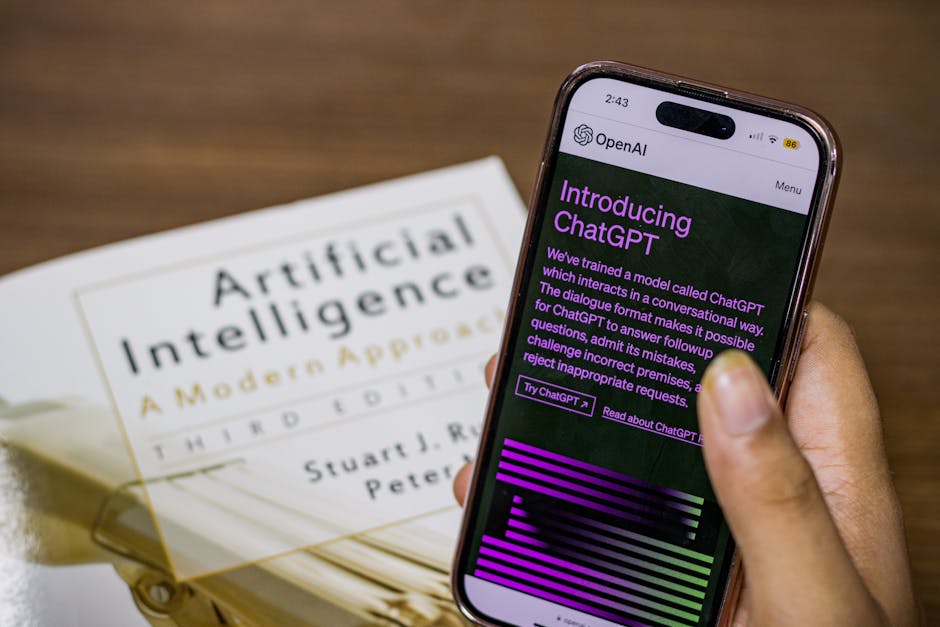
Researchers from the Oxford Internet Institute have noted that digital myths often serve as “shortcuts” for understanding complex technologies (Oxford Internet Institute). These shortcuts help people make sense of rapid changes but can also lead to misconceptions. For example, the idea that AI is fully autonomous ignores the many ways humans still guide and oversee machine learning systems.
It is important to recognize that not all digital myths are negative or harmful. Some encourage curiosity and drive interest in science and technology careers. However, unchecked myths can lead to unrealistic expectations or unnecessary fears about AI’s capabilities and risks.
How AI Fuels New Myths Online
AI itself plays a role in creating and spreading digital myths. Algorithms that recommend content on platforms like YouTube, TikTok, and Twitter often prioritize stories that generate strong reactions, whether excitement or fear. This can lead to the rapid spread of exaggerated claims about what AI can do.
One example is the myth that AI systems are already conscious or self-aware. While current AI can process data and learn patterns, there is no evidence that machines possess consciousness in any human sense (Nature). Yet, stories about sentient robots continue to circulate widely online.
Another common myth is that AI will inevitably replace all human jobs. While automation has changed certain industries, most research suggests that AI is more likely to change the nature of work rather than eliminate it entirely (McKinsey & Company). These myths persist because they tap into real anxieties about economic change.
AI-generated content also adds to the complexity. Deepfakes (videos created using AI to mimic real people) have sparked new myths about what is real and what is fake online. This blurring of truth and fiction makes it harder for people to trust digital information.
The Role of Media and Entertainment
Movies, television shows, and books have long influenced how people think about technology. In recent years, popular media has played a major role in shaping digital myths about AI. Films like “Ex Machina” and “Her” present AI as mysterious or even dangerous, while news reports sometimes focus on worst-case scenarios involving job loss or privacy breaches.
This focus on dramatic outcomes can overshadow more balanced discussions about how AI is actually used in daily life. For example, many people interact with AI through voice assistants or recommendation systems without realizing it. These everyday uses are less likely to be featured in headlines or entertainment scripts.
The table below highlights some common digital myths about AI and contrasts them with current research findings:
| Digital Myth | Current Research |
|---|---|
| AI will soon surpass all human intelligence | No evidence supports this; current AI excels at narrow tasks only |
| AI systems are conscious or self-aware | No scientific basis for machine consciousness at present |
| AI will eliminate all jobs | Research shows job transformation is more likely than elimination |
| Deepfakes make it impossible to trust any video online | Detection tools are improving; not all videos are at risk |
| AI operates independently without human oversight | Most systems require significant human guidance and monitoring |
Media coverage often amplifies these myths by focusing on rare events or hypothetical scenarios rather than typical uses of AI technology. This can create a skewed understanding of what AI is capable of today.
Why Digital Myths Persist and Spread
Certain factors make digital myths especially persistent in online spaces. One reason is the speed at which information travels on social media. Posts that trigger strong emotions are more likely to be shared, regardless of their accuracy. This creates an environment where dramatic or alarming stories gain traction quickly.
Cognitive biases also play a role. People tend to remember stories that confirm their existing beliefs or fears. If someone is already concerned about privacy, they may be more likely to believe and share stories about AI surveillance, even if those stories are exaggerated.
The following list outlines key reasons why digital myths about AI spread so effectively:
- Viral content algorithms favor sensational stories
- Lack of technical understanding among general audiences
- Cognitive biases reinforce existing beliefs
- Media coverage often highlights rare or extreme cases
- AI-generated content blurs lines between fact and fiction
Efforts to correct misinformation face challenges because corrections rarely spread as widely as the original myth. Researchers have found that even when false claims are debunked, they can continue to influence public opinion (Proceedings of the National Academy of Sciences).
The Impact of Digital Myths on Society
The persistence of digital myths about AI has real-world consequences. Misunderstandings can shape policy debates, influence business decisions, and affect individual choices about technology use. For example, exaggerated fears about job loss may discourage people from pursuing careers in fields related to AI or automation.
Misinformation can also erode trust in both technology companies and public institutions. When people believe that AI is more powerful (or more dangerous) than it really is, they may resist adopting beneficial technologies or support unnecessary restrictions.
On the other hand, positive myths can encourage innovation by inspiring young people to study computer science or engineering. However, if expectations are set too high, disappointment can follow when real-world applications fall short of science fiction promises.
Policymakers and educators face the challenge of addressing these myths without dismissing legitimate concerns about ethics, privacy, or fairness in AI development. Open communication and transparency are key strategies for building trust and promoting informed discussion.
Navigating Digital Myths: Strategies for Individuals and Communities
Addressing digital myths requires a combination of critical thinking skills and access to reliable information. Individuals can take steps to verify claims before sharing them online and seek out sources with a track record of accuracy.
Educational initiatives play a crucial role in helping people understand both the potential and limitations of AI technology. Programs aimed at improving digital literacy can empower users to spot misleading stories and evaluate evidence more effectively (Common Sense Education).
The following strategies can help individuals and communities navigate digital myths:
- Check multiple sources before accepting a claim as true
- Look for expert opinions from reputable organizations
- Be cautious with sensational headlines or viral posts
- Participate in educational programs focused on digital literacy
- Encourage open discussions about technology’s impact
Technology companies also have a role to play by improving transparency around how algorithms work and providing tools for users to report misinformation. Collaboration between industry, academia, and civil society can lead to better solutions for managing digital myths.
The creation of modern digital myths around AI reflects both excitement and uncertainty about new technologies. By understanding how these stories form and spread, individuals can make more informed decisions about which claims to trust and which to question. As AI continues to evolve, ongoing dialogue between experts, media professionals, policymakers, and everyday users will remain essential for separating fact from fiction in the digital world.