The Neuroscience Behind Paranormal Experiences
Paranormal experiences (ranging from ghost sightings and out-of-body sensations to encounters with unexplained phenomena) have fascinated people for centuries. While these events often feel mysterious or supernatural, modern neuroscience is uncovering the brain mechanisms that may explain why such experiences occur. Recent research suggests that many so-called paranormal events can be traced to specific neural processes, psychological states, and even environmental factors that influence how the brain interprets reality.
Understanding the neuroscience behind these experiences not only demystifies them but also sheds light on how perception, memory, and emotion interact in the human brain. By examining how the brain constructs our sense of reality, scientists are beginning to piece together why some individuals are more prone to paranormal beliefs and what happens in the mind during these extraordinary moments.
The Brain’s Role in Perception and Reality
The human brain is constantly processing sensory information to create a coherent picture of the world. However, this process is not infallible. Studies have shown that the brain sometimes fills in gaps or misinterprets ambiguous stimuli, leading to experiences that feel real but are not grounded in external reality. For example, the phenomenon of pareidolia (seeing faces or figures in random patterns) demonstrates how the brain seeks familiar shapes even when none exist (Scientific American).
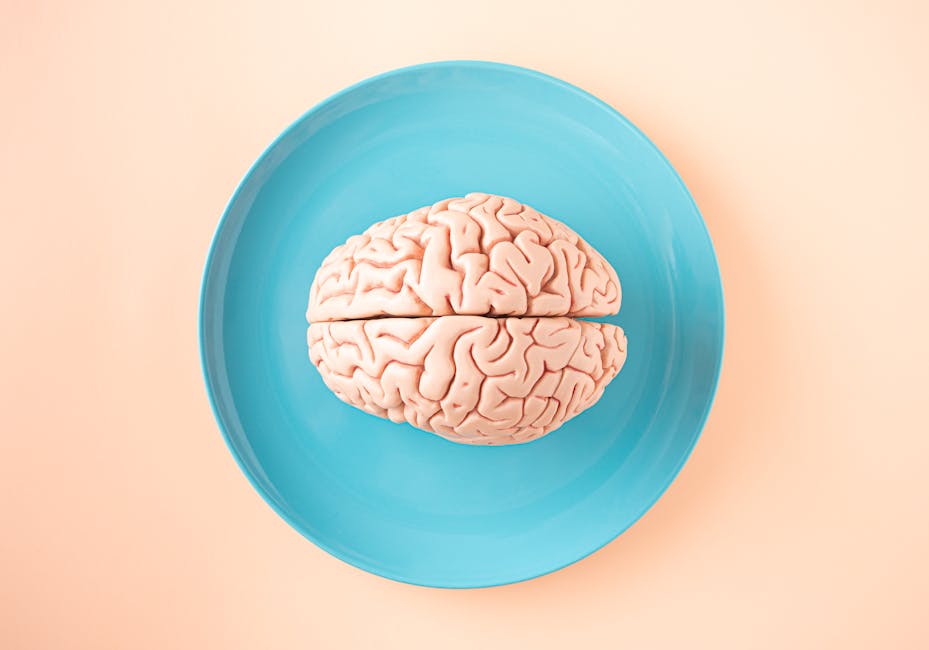
Temporal lobe activity has also been linked to paranormal experiences. The temporal lobes are involved in processing emotions and memory, and stimulation of these areas (whether through electrical activity or certain neurological conditions) can produce vivid hallucinations, feelings of a presence, or even out-of-body experiences. Dr. Michael Persinger’s “God Helmet” experiments famously demonstrated that magnetic stimulation of the temporal lobes could induce sensations often described as mystical or supernatural (Nature).
Sleep, Stress, and the Paranormal
Many reports of paranormal activity occur during periods of sleep disruption or high stress. Sleep paralysis, a state where a person is temporarily unable to move while falling asleep or waking up, is often accompanied by vivid hallucinations and a sense of an unseen presence. These experiences are now understood as a blend of REM sleep mechanisms and waking consciousness overlapping in the brain (Sleep Foundation).
- Sleep deprivation: Increases susceptibility to hallucinations and misperceptions.
- Stress and anxiety: Heighten emotional responses and can prime the brain to interpret ambiguous stimuli as threatening or supernatural.
- Nighttime environment: Low light and silence can amplify minor sensory inputs, making ordinary events seem extraordinary.
Personal accounts often describe seeing shadowy figures or hearing voices during stressful periods or after nights of poor sleep. Neuroscientists believe that these experiences reflect the brain’s attempt to make sense of internal sensations and external cues when its usual processing is disrupted.
Cultural Influences and Suggestibility
The context in which people interpret unusual experiences is shaped by cultural beliefs and expectations. Research shows that individuals who grow up in environments where paranormal phenomena are discussed or accepted are more likely to report such experiences themselves (Psychology Today). The power of suggestion plays a significant role; for instance, being told that a particular location is haunted can increase the likelihood of perceiving strange sounds or sensations there.
Group settings can also amplify suggestibility. During séances or ghost tours, shared anticipation and emotional contagion can lead multiple people to report similar paranormal events, even when objective evidence is lacking. This collective experience highlights how social dynamics and expectation can influence perception.
Brain Disorders and Hallucinations
Certain neurological conditions are known to produce symptoms that mimic paranormal experiences. Temporal lobe epilepsy, for example, can cause intense déjà vu, auditory hallucinations, or feelings of an unseen presence. Schizophrenia and other psychotic disorders may involve hallucinations or delusions that align with common paranormal themes.
- Charles Bonnet Syndrome: Visual hallucinations in visually impaired individuals.
- Parkinson’s disease: Can include vivid hallucinations due to changes in dopamine levels.
- Migraine auras: Sometimes produce visual phenomena mistaken for supernatural events.
Understanding these medical explanations helps reduce stigma and provides reassurance for those who experience such symptoms. It also underscores the importance of seeking medical advice if unusual perceptions are frequent or distressing.
The Science of Belief: Why Some People Are More Prone
Not everyone is equally likely to have or believe in paranormal experiences. Personality traits such as openness to new experiences, fantasy proneness, and a tendency toward magical thinking have all been linked to higher rates of reported paranormal phenomena (NCBI). Cognitive factors like pattern recognition bias (the tendency to see meaningful connections where none exist) also play a role.
Recent studies using brain imaging have found that people who score high on paranormal belief scales often show increased activity in areas related to imagination and emotional processing when exposed to ambiguous stimuli. This suggests that individual differences in brain function may predispose some people to interpret ordinary events as extraordinary.
- Skepticism: Associated with more analytical thinking styles and less susceptibility to suggestion.
- Fantasy proneness: Linked to vivid imagination and higher likelihood of experiencing altered states of consciousness.
- Cognitive bias: The human brain’s natural inclination to find patterns can sometimes lead to false positives, seeing ghosts where there are only shadows.
Personal reflection on these traits can help individuals understand their own reactions to unexplained events. Recognizing the interplay between biology, psychology, and culture offers a balanced perspective on why paranormal experiences feel so real.
In summary, neuroscience has made significant strides in explaining why people experience what they interpret as paranormal phenomena. By examining the roles of perception, sleep, stress, cultural context, neurological conditions, and individual personality traits, researchers have shown that many such experiences arise from natural processes within the brain. Understanding these mechanisms not only demystifies the unknown but also fosters empathy for those who encounter these extraordinary moments. For those interested in further reading on this topic, resources like Scientific American, Nature, and NCBI provide detailed scientific discussions on the subject.