Why Folklore Persists: A Psychological Perspective
Folklore has shaped human culture for centuries, weaving together stories, beliefs, and customs that endure across generations. These narratives often carry lessons, warnings, or explanations for the mysteries of life and nature. While some tales seem whimsical or fantastical, their persistence reveals much about the psychological needs and social dynamics of communities. Exploring why folklore remains relevant today uncovers a complex interplay between memory, identity, emotion, and adaptation.
The Psychological Roots of Folklore
Folklore’s endurance can be traced to deep-seated psychological mechanisms. Humans are natural storytellers; our brains are wired to remember information presented in narrative form more effectively than abstract facts. According to research published by Psychology Today, stories activate multiple areas of the brain, including those responsible for language, sensory experience, and emotion, making them more memorable and impactful.
These stories serve as cognitive shortcuts, helping people make sense of complex or frightening phenomena. For example, legends about spirits or monsters often emerge in response to unexplained events or dangers in the environment. By providing a framework for understanding the unknown, folklore reduces anxiety and fosters a sense of control.
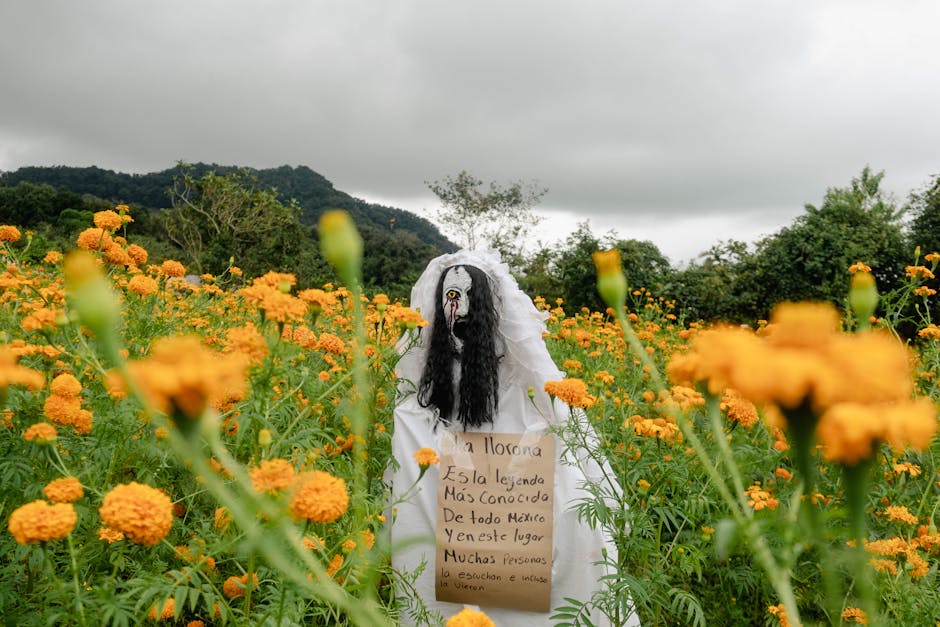
Folklore also plays a key role in transmitting cultural values and social norms. Through repeated storytelling, communities reinforce acceptable behaviors and discourage actions deemed harmful or taboo. This process not only educates younger generations but also strengthens group cohesion by creating shared reference points.
Personal experience often highlights how certain tales become embedded in family traditions. Growing up, many people recall hearing cautionary stories from elders that shaped their perceptions of right and wrong. These narratives linger in memory long after childhood, subtly influencing decisions and attitudes throughout life.
Folklore as a Tool for Social Connection
Beyond individual psychology, folklore functions as a powerful social glue. Shared stories foster a sense of belonging and continuity within groups. When people recount legends or participate in rituals rooted in folklore, they reaffirm their connection to a larger community and its history.
This communal aspect is especially evident during festivals or gatherings where traditional tales are performed or reenacted. Such events offer opportunities for collective storytelling, strengthening bonds among participants and passing knowledge to newcomers. According to a study by the Smithsonian Magazine, these gatherings help maintain cultural identity even as societies evolve.
Folklore also adapts to changing social landscapes. Urban legends, for instance, often reflect contemporary anxieties about technology or safety while retaining the structure of older myths. This adaptability ensures that folklore remains relevant and engaging for new audiences.
- Storytelling circles in local communities
- Annual festivals celebrating regional myths
- Modern adaptations of classic tales in film or literature
Personal insights from community organizers reveal that reviving traditional storytelling can bridge generational gaps. Elders find purpose in sharing their knowledge, while younger members gain a deeper appreciation for their heritage.
The Emotional Power of Folklore
Folklore resonates on an emotional level, offering comfort during times of uncertainty or loss. Many stories address universal themes such as love, betrayal, courage, and mortality. By framing these experiences within familiar narratives, folklore helps individuals process difficult emotions and find meaning in adversity.
Research from the American Psychological Association indicates that storytelling can promote resilience by fostering hope and providing coping strategies. For example, tales of heroes overcoming obstacles inspire listeners to persevere through their own challenges.
Folklore also serves as a vehicle for expressing collective fears or aspirations. Ghost stories may reflect anxieties about death or the unknown, while creation myths express hopes for order and harmony. These shared narratives allow communities to confront existential questions together rather than in isolation.
In my own experience attending cultural festivals, I have witnessed how storytelling sessions evoke strong emotions among audiences. Listeners often react with laughter, tears, or thoughtful silence, evidence of folklore’s enduring capacity to touch the human heart.
| Function of Folklore | Psychological Benefit |
|---|---|
| Explaining the Unknown | Reduces anxiety and uncertainty |
| Reinforcing Social Norms | Promotes group cohesion |
| Providing Emotional Comfort | Offers hope and coping mechanisms |
| Fostering Identity | Strengthens sense of belonging |
Adaptation and Survival of Folklore in Modern Society
The persistence of folklore is not just a relic of the past; it continues to evolve alongside technological and societal changes. Digital platforms have given rise to new forms of storytelling, from viral memes to online urban legends. These digital narratives often mirror traditional folklore by spreading rapidly and adapting to different contexts.
Contemporary researchers highlight how social media accelerates the transmission of modern myths and legends. According to BBC News, misinformation and conspiracy theories often follow patterns similar to classic folklore, relying on repetition, emotional appeal, and community reinforcement.
This phenomenon underscores the importance of critical thinking when engaging with contemporary folklore. While these stories can foster connection and entertainment, they may also perpetuate harmful stereotypes or false beliefs if left unexamined.
Nevertheless, many communities harness digital tools to preserve and revitalize traditional folklore. Online archives, podcasts, and virtual storytelling events make it easier than ever to access diverse cultural narratives. This accessibility ensures that folklore remains a living tradition rather than a static artifact.
Folklore endures because it meets fundamental psychological needs: making sense of the world, connecting with others, processing emotions, and adapting to change. Its stories continue to shape identities and communities in ways both subtle and profound. Exploring these narratives further can deepen our understanding of ourselves and the societies we build together.