Do Black Eyed Children Really Exist? Investigating the Phenomenon
Stories of black eyed children have circulated for decades, capturing the imagination and curiosity of people across the globe. These mysterious figures are often described as young, pale-skinned children with completely black eyes, who appear unexpectedly and exhibit unsettling behavior. Reports typically involve these children approaching adults, asking for help or entry into homes and vehicles, and leaving witnesses with a lingering sense of dread. The phenomenon has sparked debate among paranormal enthusiasts, skeptics, and psychologists alike, raising questions about the origins and authenticity of these encounters. Exploring the history, psychology, and cultural impact of black eyed children reveals how urban legends can take root and evolve in modern society.
Origins and Early Accounts
The first widely recognized account of black eyed children emerged in the late 1990s, when journalist Brian Bethel published his experience online. He recounted being approached by two boys with jet-black eyes in Abilene, Texas, who asked for a ride. Bethel’s detailed narrative quickly spread through internet forums and email chains, becoming a template for similar stories that followed. This initial report set the stage for a wave of anecdotes, many echoing the same themes: unnerving requests,
Historical records prior to the 1990s do not mention black eyed children specifically, but some researchers point to folklore involving supernatural children or “changeling” myths in European traditions. However, the specific motif of entirely black eyes appears to be a modern addition, likely influenced by horror films and pop culture imagery from the late 20th century. According to Snopes, there is no verifiable documentation of black eyed children encounters before Bethel’s account surfaced online.
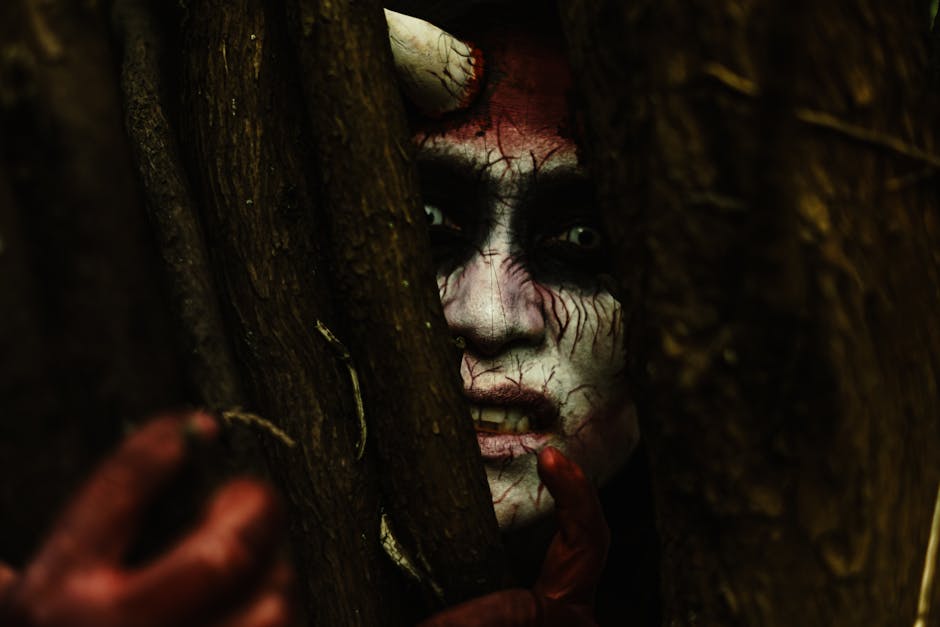
Despite the lack of historical precedent, the phenomenon gained traction rapidly. Online communities such as Reddit’s r/NoSleep and various paranormal websites became repositories for new stories, each adding unique details while maintaining core elements. The viral nature of these narratives contributed to their persistence and evolution over time.
Some folklorists suggest that black eyed children are a product of “creepypasta”, internet horror stories designed to entertain and frighten readers. The structure and spread of these tales mirror earlier urban legends, adapting to digital platforms and reaching wider audiences than traditional folklore ever could.
Psychological Explanations and Skepticism
While many find the stories chilling, psychologists and skeptics offer alternative explanations for the phenomenon. One theory is that encounters with black eyed children are examples of sleep paralysis or hypnagogic hallucinations, states where individuals experience vivid, dream-like visions while awake or falling asleep. These episodes can feel intensely real and often involve frightening figures or sensations.
Another explanation centers on the power of suggestion and memory distortion. When people read or hear about black eyed children, they may interpret ambiguous experiences through that lens. This is known as “priming,” where exposure to certain ideas shapes perception and recall. Dr. Christopher French, a psychologist at Goldsmiths, University of London, explains that memory is highly malleable and can be influenced by external narratives (BBC Future).
Some reported sightings may also be attributed to medical conditions such as aniridia (absence of the iris) or the use of cosmetic contact lenses that create a black-eyed appearance. However, these cases are rare and do not account for the majority of stories, which often involve supernatural or menacing behavior.
Skeptics argue that the consistency in black eyed children reports is more indicative of storytelling patterns than genuine encounters. The repetition of specific details (such as monotone voices, insistence on being let inside, and sudden disappearances) suggests a shared narrative template rather than independent verification.
Cultural Impact and Media Representation
The rise of black eyed children as a modern legend has influenced various forms of media, from books to films and podcasts. Their image has become a staple in horror fiction, often symbolizing innocence corrupted or the intrusion of the uncanny into everyday life. This motif resonates with audiences because it taps into primal fears about trust, vulnerability, and the unknown.
Media coverage has played a significant role in popularizing the phenomenon. Television shows like “Monsters and Mysteries in America” and documentaries on streaming platforms have featured interviews with alleged witnesses and dramatizations of their experiences. These portrayals often blur the line between fact and fiction, enhancing the legend’s mystique.
Social media has further amplified interest in black eyed children. Platforms such as Twitter and TikTok host short-form videos recounting personal encounters or analyzing famous cases. The interactive nature of these platforms allows users to share their own stories or theories, creating a feedback loop that sustains public fascination.
The table below highlights key moments in the cultural evolution of black eyed children:
| Year | Event | Cultural Impact |
|---|---|---|
| 1996 | Brian Bethel’s account published online | Originates widespread interest; sets narrative template |
| 2000s | Stories proliferate on forums and websites | Establishes black eyed children as an internet urban legend |
| 2012 | Television features and documentaries | Brings phenomenon to mainstream audiences |
| 2015–Present | Social media virality | Sustains legend through memes, videos, and user-generated content |
Why Do People Believe?
The enduring belief in black eyed children can be traced to several psychological and social factors. Humans are naturally drawn to stories that evoke fear or mystery, as these narratives engage our imagination and provide a safe way to explore danger from a distance. Urban legends like this one also serve as cautionary tales or metaphors for deeper anxieties, such as fear of strangers or loss of control.
Cognitive biases play a role in reinforcing belief. Once someone accepts the possibility of black eyed children existing, they may interpret unrelated events as evidence supporting that belief. This is known as confirmation bias. In my own experience researching paranormal phenomena, I’ve noticed how quickly online communities can turn ambiguous anecdotes into “proof” simply by repeating them often enough.
The internet has made it easier than ever for these stories to spread and gain credibility. When multiple people claim similar experiences (even if those claims originate from fiction) they can create an illusion of consensus. This effect is amplified by online lists that catalog hundreds of supposed encounters:
- Personal blogs recounting late-night visits from mysterious children
- YouTube channels dedicated to analyzing sightings
- Podcasts interviewing self-proclaimed witnesses
- Reddit threads compiling user-submitted stories
- News articles referencing earlier viral accounts
Cultural context also matters. In regions where supernatural beliefs are prevalent, stories about black eyed children may be interpreted through spiritual frameworks rather than psychological ones. Conversely, in more secular societies, these tales are often seen as entertainment or modern mythmaking.
The phenomenon of black eyed children sits at the intersection of folklore, psychology, and digital culture. While there is no concrete evidence supporting their existence beyond anecdotal reports, their story continues to intrigue people worldwide. Whether viewed as a cautionary tale or a reflection of deeper fears, exploring this legend encourages us to question how we process information and why certain narratives endure. The mystery remains open for those willing to look closer and perhaps even challenge what they think they know about reality.