How Deepfake Videos Are Creating New Digital Urban Legends
Deepfake technology has rapidly evolved from a niche curiosity to a powerful tool with far-reaching effects on digital culture. By leveraging artificial intelligence to create hyper-realistic videos that convincingly mimic real people, deepfakes have blurred the boundaries between fact and fiction in ways that challenge our understanding of truth online. These synthetic videos are not just technical marvels; they are fueling a new wave of digital urban legends, stories and myths that spread quickly, gain traction, and sometimes leave lasting impressions on public consciousness. The intersection of deepfake technology and folklore is shaping how people perceive reality, trust information, and interact with digital content.
The Mechanics Behind Deepfake Creation
At the core of deepfake technology lies machine learning, particularly generative adversarial networks (GANs), which pit two neural networks against each other to produce increasingly convincing fake media. The process involves training these networks on thousands of images or video frames of a target individual, enabling the AI to replicate facial movements, voice inflections, and even subtle expressions. This technical sophistication means that deepfakes can be indistinguishable from authentic footage to the untrained eye.
Early deepfakes were relatively easy to spot due to visual glitches and unnatural movements. However, recent advancements have made detection much more challenging. Researchers at Nature have documented how improvements in data quality and algorithmic precision have contributed to this realism. The accessibility of deepfake creation tools has also increased, with open-source software and user-friendly apps allowing almost anyone to generate convincing fakes with minimal technical expertise.
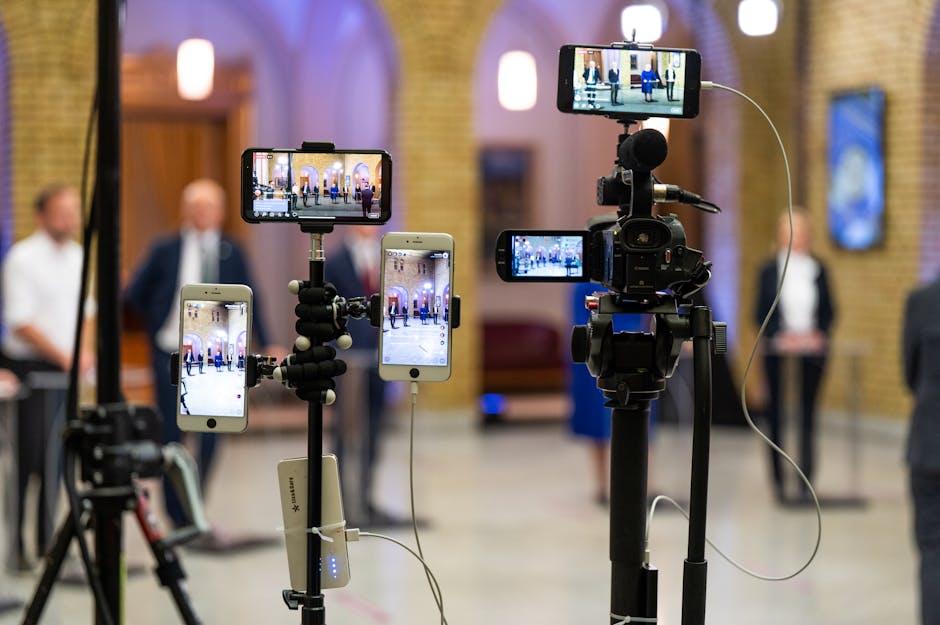
While the technology has legitimate uses (such as in film production or historical reenactments) it is the ease of misuse that raises concerns. The democratization of deepfake tools means that viral hoaxes, celebrity impersonations, and fabricated news events can be produced and distributed at an unprecedented scale.
One notable example involved a viral video purportedly showing a well-known actor endorsing a controversial product. Despite being quickly debunked by fact-checkers, the video continued to circulate, illustrating how deepfakes can outpace efforts to correct misinformation.
How Deepfakes Fuel Digital Urban Legends
Digital urban legends have always thrived on ambiguity and sensationalism. Deepfakes amplify these qualities by providing “evidence” in the form of realistic video content that appears authentic. This has led to a new breed of myths, stories that gain credibility simply because they are accompanied by seemingly irrefutable visual proof.
Classic urban legends often relied on word-of-mouth or grainy photographs; today’s digital myths are powered by shareable videos that spread rapidly across social media platforms. A striking case involved a deepfake video claiming to show a political figure making inflammatory remarks. Despite being fabricated, the video was shared widely before being flagged as false by platforms like Snopes.
The psychological impact of seeing is believing plays a significant role here. According to research published in Science, people are more likely to accept information as true when it is presented visually, especially if it aligns with their existing beliefs. Deepfakes exploit this vulnerability, making it easier for digital legends to take root and persist even after being debunked.
- Deepfake videos often go viral before fact-checkers can respond.
- Social media algorithms prioritize engaging content, accelerating the spread of fakes.
- Once a myth is established visually, retractions rarely reach the same audience.
Personal experience highlights how quickly misinformation can escalate. In one instance, a friend forwarded a video supposedly showing a celebrity involved in a scandal, only for us to discover later it was a deepfake. The initial shock lingered longer than the relief of learning the truth, underscoring how these digital legends can leave lasting impressions.
The Societal Impact: Trust, Anxiety, and Misinformation
The proliferation of deepfakes has profound implications for public trust and information integrity. ” This erosion of trust affects not only individuals but also institutions, media outlets, and public figures who must now contend with the possibility that any video could be fake.
According to a 2023 report by Pew Research Center, nearly 60% of adults expressed concern about their ability to distinguish between real and fake videos online. This anxiety is compounded by high-profile incidents where deepfakes have been used for harassment, political manipulation, or financial scams. For example, scammers have used deepfake audio to impersonate executives in order to authorize fraudulent wire transfers, a tactic documented by Financial Times.
The impact extends beyond individual cases. Widespread exposure to deepfakes can foster cynicism and disengagement from civic life, as people become unsure whom or what to believe. This environment is fertile ground for conspiracy theories and digital folklore, where even debunked stories continue to circulate as “hidden truths.”
Efforts to combat these effects include educational campaigns about media literacy and investments in detection technology. However, the rapid pace of deepfake innovation often outstrips these countermeasures. As one cybersecurity expert noted in an interview with Wired, “We’re in a constant race between creators and detectors.”
| Deepfake Impact Area | Example | Societal Effect |
|---|---|---|
| Political Manipulation | Fake speeches by leaders | Erosion of democratic trust |
| Personal Harm | Celebrity face swaps in explicit content | Reputational damage |
| Financial Fraud | Impersonation in business emails/calls | Economic loss |
| Misinformation Campaigns | Viral hoaxes during crises | Panic and confusion |
Navigating the Future: Detection, Regulation, and Personal Responsibility
The response to deepfakes involves a mix of technological innovation, policy development, and individual vigilance. Tech companies are investing heavily in detection tools that use AI to identify subtle inconsistencies in videos, such as unnatural blinking patterns or mismatched lighting. Some platforms have begun labeling suspected deepfakes or removing them entirely when identified.
Regulatory approaches are also emerging worldwide. The European Union’s Digital Services Act includes provisions for addressing synthetic media, while several U.S. states have enacted laws targeting malicious uses of deepfakes in political campaigns or non-consensual pornography. Legal experts caution that enforcement remains challenging due to jurisdictional issues and the speed at which content spreads online.
On a personal level, developing critical thinking skills and media literacy is essential. Simple habits (such as verifying sources before sharing videos or using fact-checking websites) can help slow the spread of digital urban legends fueled by deepfakes.
From my own experience teaching digital literacy workshops, I’ve noticed that participants often feel empowered once they understand how deepfakes work and what signs to look for. Awareness alone does not solve the problem, but it does create a more informed audience less likely to fall for viral hoaxes.
The emergence of deepfake videos as catalysts for new digital urban legends challenges us to rethink our relationship with online content. As synthetic media becomes more sophisticated, so too must our strategies for verification and critical engagement. The line between truth and fiction may blur further, but fostering awareness and resilience will be key in navigating this evolving landscape.