Ghost Sightings on Social Media Fact or Folklore
Reports of ghost sightings have moved from whispered tales to public posts, videos, and images shared across social media platforms. This shift has brought new attention to the question of whether these sightings are based on fact or rooted in folklore. The accessibility of smartphones and the reach of digital networks have made it easier than ever for individuals to document and share unexplained phenomena. As a result, the debate over the authenticity of ghost sightings now includes not only eyewitness accounts but also digital evidence and online communities dedicated to the paranormal.
Social media has changed how stories about ghosts are spread and discussed. Instead of relying on local legends or word-of-mouth, people can now upload photos, videos, and personal experiences for a global audience to see. This has led to a surge in content claiming to show supernatural activity, but it has also raised questions about the reliability of such evidence. The ease with which digital media can be edited or manipulated complicates efforts to separate genuine encounters from hoaxes or misinterpretations.
Interest in ghost sightings is not new. Historical records show that people have reported encounters with spirits for centuries, often influenced by cultural beliefs and local traditions. What is different today is the speed and scale at which these stories can circulate. The combination of modern technology and age-old curiosity has created a unique environment where folklore and fact are often intertwined, making it important to examine both the content and context of ghost-related posts on social media.
The Evolution of Ghost Sightings: From Oral Tradition to Digital Sharing
Before the rise of social media, ghost stories were passed down through generations by word of mouth or written accounts. These stories often reflected the values and fears of their communities. In many cultures, tales of spirits served as cautionary lessons or explanations for unexplained events. With the invention of photography in the 19th century, people began to seek visual proof of the supernatural, leading to famous cases like the Cottingley Fairies photographs, which were later revealed as staged images.
The arrival of the internet in the late 20th century marked another turning point. Online forums allowed people to share their experiences anonymously and connect with others who had similar stories. This led to the creation of dedicated websites and message boards focused on paranormal topics. As social media platforms like Facebook, Instagram, TikTok, and YouTube gained popularity, they became primary channels for sharing ghost sightings.
Today, users can upload high-definition videos and real-time livestreams from their phones. Hashtags such as #GhostSighting or #ParanormalActivity make it easy for content to reach large audiences quickly. Viral posts often spark debates in comment sections, with some viewers offering explanations rooted in science or psychology while others insist on supernatural causes.
The shift from oral tradition to digital sharing has not only increased the volume of ghost-related content but also changed how people interpret and respond to these stories. The ability to replay, analyze, and discuss footage in detail means that claims can be scrutinized more closely than ever before.
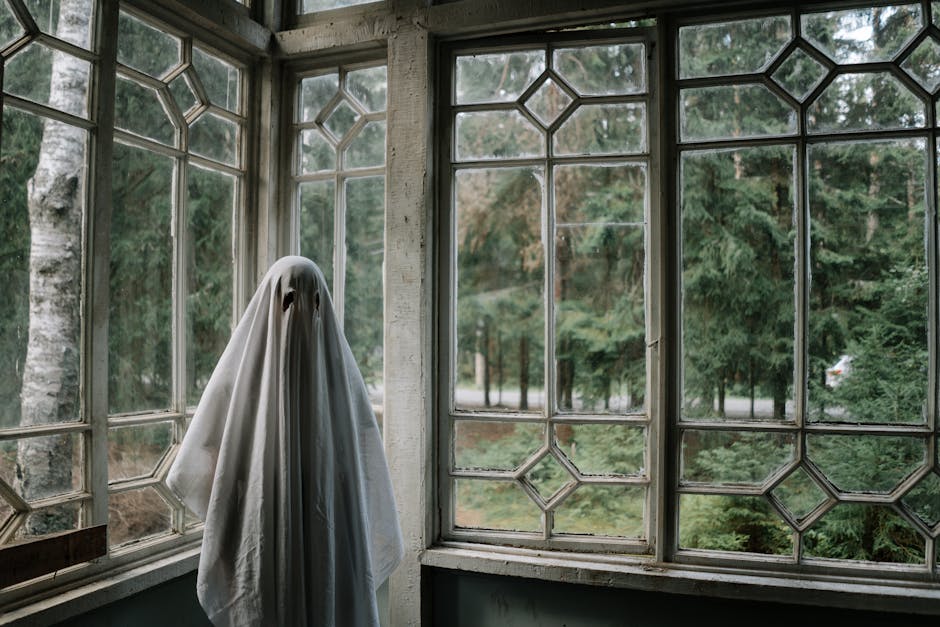
Despite advances in technology, the core appeal of ghost sightings remains unchanged: they tap into fundamental questions about life, death, and what may lie beyond. Social media has simply given these questions a new platform for exploration and debate.
Assessing Evidence: Authenticity Versus Manipulation
One of the main challenges in evaluating ghost sightings on social media is determining whether the evidence is authentic or manipulated. Digital tools make it easy to alter photos and videos, raising doubts about the credibility of many viral posts. According to a 2022 study published in Digital Journalism, manipulated images are increasingly common in user-generated content, especially when it comes to paranormal claims.
Several factors can help assess the authenticity of ghost-related posts:
- Source Verification: Checking the original poster’s profile and history can provide clues about their credibility.
- Metadata Analysis: Examining file details such as timestamps and editing history can reveal signs of tampering.
- Expert Review: Consulting professionals in photography, video editing, or paranormal research can help identify inconsistencies.
- Community Feedback: Crowdsourced analysis in comment sections often uncovers hoaxes or offers alternative explanations.
Despite these tools, distinguishing between genuine evidence and deliberate fabrications remains difficult. Some users create fake content for entertainment or social media engagement, while others may genuinely believe they have captured something unexplained.
The table below summarizes common indicators that help differentiate between authentic and manipulated ghost sightings on social media:
| Indicator | Authentic Evidence | Manipulated Evidence |
|---|---|---|
| Image/Video Quality | Consistent lighting and resolution | Unnatural shadows or pixelation |
| Source Transparency | Original poster provides context | Lack of background information |
| Metadata Consistency | No signs of editing | Altered timestamps or missing data |
| Expert Analysis | No anomalies detected | Anomalies consistent with editing tools |
| Community Response | Mixed but reasoned discussion | Frequent exposure as hoax |
Cultural Influence on Ghost Narratives Online
Cultural background plays a significant role in how people perceive and share ghost sightings. In some countries, belief in spirits is widespread and integrated into daily life. For example, surveys by Pew Research Center indicate that belief in ghosts is higher in parts of Asia and Latin America compared to Western Europe. This influences both the types of stories shared online and how audiences respond to them.
Folklore often shapes the appearance and behavior attributed to ghosts in different regions. In Japan, yūrei are depicted as pale figures with long hair, while in Scotland, tales focus on haunted castles and ancestral spirits. Social media allows these narratives to cross borders, introducing new audiences to unfamiliar traditions.
The global nature of online platforms means that users encounter a wide range of ghost stories from various cultures. This diversity can lead to misunderstandings or skepticism when viewers are unfamiliar with the context behind certain claims. At the same time, it encourages cross-cultural exchange and curiosity about different beliefs regarding the supernatural.
Cultural influence also affects how people interpret ambiguous evidence. A shadowy figure in a photo may be dismissed as a camera glitch by some but seen as proof of a haunting by others who grew up with strong beliefs in spirits.
This interplay between culture and technology highlights the importance of considering both local context and global reach when evaluating ghost sightings on social media.
The Psychology Behind Ghost Sightings and Online Sharing
The human brain is wired to seek patterns and explanations for unusual experiences. Psychologists suggest that many reported ghost sightings can be attributed to cognitive biases such as pareidolia (seeing familiar shapes in random patterns) or confirmation bias (interpreting ambiguous evidence to fit existing beliefs). These tendencies are amplified when people share their experiences online and receive validation from others who report similar encounters.
A study published by American Psychological Association (APA) found that group discussions about paranormal events often reinforce belief in ghosts, even when objective evidence is lacking. Social media acts as a multiplier for this effect by connecting individuals with large communities who share their interests.
The desire for attention or social approval can also motivate users to post about ghost sightings. Viral content often brings likes, shares, and followers, creating an incentive for sensational or exaggerated claims. At the same time, fear of ridicule may discourage some people from sharing genuine experiences unless they feel supported by an understanding audience.
- Pareidolia: Interpreting random visual patterns as meaningful images (e.g., seeing faces in shadows).
- Confirmation Bias: Focusing on evidence that supports one’s beliefs while ignoring contradictory information.
- Social Validation: Seeking approval from peers through likes and comments.
- Sensationalism: Exaggerating claims for engagement or entertainment value.
- Anonymity: Feeling safer sharing unusual experiences without revealing one’s identity.
The psychological factors driving both belief in ghosts and willingness to share related content online help explain why ghost sightings continue to attract attention despite ongoing skepticism from scientific communities.
The Role of Technology: Tools for Debunking and Verification
Advances in technology have made it easier for both believers and skeptics to investigate ghost sightings shared on social media. Image analysis software can detect signs of manipulation, while audio tools can isolate background noises that might explain supposed supernatural sounds. Smartphone cameras now capture higher quality images, but they also introduce new artifacts that can be mistaken for paranormal activity.
Fact-checking organizations have started addressing viral ghost videos alongside other forms of misinformation. Websites like Snopes.com regularly analyze trending paranormal claims using forensic techniques. These efforts help educate the public about common tricks used to create convincing hoaxes.
Some social media platforms have introduced features that allow users to flag suspicious content or request verification from independent experts. However, these tools are not foolproof, as determined hoaxers continue to find ways around detection systems.
The table below outlines common technological methods used for debunking ghost sightings:
| Method | Purpose | Limitations |
|---|---|---|
| Image Forensics Software | Detects digital alterations in photos/videos | May miss subtle edits or analog tricks |
| Audio Analysis Tools | Identifies natural vs. artificial sounds | Noisy environments can obscure results |
| Metadata Review | Checks file history for edits/manipulation | Metadata can be stripped or faked |
| Crowdsourced Fact-Checking | Taps into collective expertise online | Subjective opinions may dominate discussion |
| Platform Reporting Features | Flags suspicious posts for review | Relies on user initiative; not always thorough |
The Ongoing Debate: Fact or Folklore?
The question of whether ghost sightings on social media represent real phenomena or are simply modern folklore remains open. Scientific investigations into paranormal claims have yet to produce conclusive evidence supporting the existence of ghosts. Most experts attribute reported sightings to psychological factors, environmental conditions, or deliberate deception rather than supernatural causes.
Cultural studies highlight how folklore adapts to new technologies, suggesting that social media serves as a contemporary stage for age-old beliefs about spirits and the unknown. The persistence of ghost stories in digital spaces reflects both enduring curiosity about what happens after death and the human tendency to seek meaning in unexplained events.
The popularity of ghost-related content online shows no sign of fading. As technology evolves, so do the methods used by both believers seeking proof and skeptics aiming to debunk viral claims. The interplay between fact-checking tools, community feedback, and cultural context ensures that debates over authenticity will continue for years to come.
The fascination with ghosts has found new life on social media platforms where anyone can share their experiences instantly with a global audience. While technology offers powerful tools for verifying or debunking claims, it also introduces new challenges related to manipulation and interpretation. The blend of personal belief, cultural tradition, psychological factors, and digital innovation guarantees that discussions about ghost sightings will remain active (and unresolved) for the foreseeable future.
References:
- Pew Research Center: Global Attitudes Toward Supernatural Beliefs (pewresearch.org)
- Sage Journals: Digital Journalism Study on Manipulated Images (journals.sagepub.com/home/dmj)
- American Psychological Association: Group Influence on Paranormal Belief (apa.org)
- Snopes.com: Fact-Checking Viral Paranormal Claims (snopes.com)