Ghost Towns with a Dark Secret: Paranormal Investigations You Need to Know
Ghost towns have long fascinated travelers, historians, and paranormal enthusiasts alike. These abandoned settlements, often left behind after economic collapse, natural disaster, or tragedy, are more than relics of the past, they are places where stories linger and, in some cases, where unexplained phenomena continue to spark curiosity. Many of these towns hold secrets beneath their crumbling facades, drawing investigators and thrill-seekers eager to uncover what lies beyond the silence. The intersection of history and the supernatural makes ghost towns a unique subject for both research and adventure.
The History Behind Ghost Towns and Their Haunting Reputations
Ghost towns are scattered across continents, each with its own origin story. In the United States, many sprang up during the gold and silver rushes of the 19th century, only to be deserted when resources ran dry. Others were abandoned due to epidemics, wars, or environmental catastrophes. These empty streets and decaying buildings often become the backdrop for chilling tales, some rooted in fact, others in local folklore.
One notable example is Bodie, California, a once-thriving mining town that now stands preserved in a state of “arrested decay.” Visitors report hearing unexplained footsteps and voices echoing through the empty houses. In Europe, Pripyat in Ukraine (abandoned after the Chernobyl disaster) has become infamous for its eerie silence and reports of shadowy figures seen among the ruins.
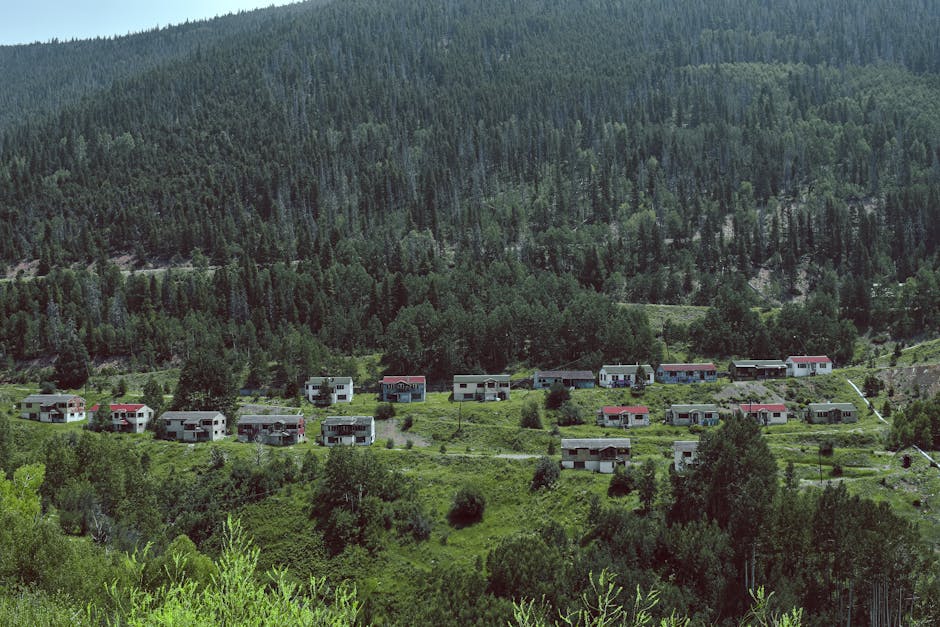
The stories that persist in these places are often tied to real historical events. Tragedies such as mining accidents or mass illnesses leave a psychological imprint on both the location and those who visit. Paranormal investigators are drawn to these sites not just for their ghostly reputations but for the chance to connect with history in a tangible way.
| Ghost Town | Location | Known For |
|---|---|---|
| Bodie | California, USA | Mining history, reported hauntings |
| Pripyat | Ukraine | Chernobyl disaster, shadowy sightings |
| Poveglia Island | Italy | Plague quarantine site, ghost stories |
| Humberstone | Chile | Nitrate mining, unexplained phenomena |
Paranormal Investigations: Methods and Equipment
Modern paranormal investigations blend traditional storytelling with scientific inquiry. Investigators use a range of equipment to detect anomalies that might indicate supernatural activity. Common tools include electromagnetic field (EMF) meters, digital voice recorders for capturing electronic voice phenomena (EVP), infrared cameras, and motion sensors. The goal is to document evidence that cannot be easily explained by natural causes.
Teams often conduct investigations at night when ambient noise is minimal and atmospheric conditions are believed to be more conducive to paranormal activity. Personal experiences (such as sudden temperature drops or feelings of being watched) are documented alongside technical data. While skeptics argue that many findings can be attributed to environmental factors or psychological suggestion, some cases remain stubbornly mysterious.
One investigator shared with National Geographic that patience is key: “You can spend hours in total silence before something unusual happens. Sometimes it’s just a creak or a whisper, but those moments keep you coming back.” This blend of patience and technology defines the modern approach to exploring haunted locations.
Notorious Ghost Towns with Dark Secrets
Certain ghost towns have developed reputations that go beyond simple abandonment. Their histories are marked by violence, disease, or unexplained disappearances, factors that contribute to enduring legends and ongoing investigations.
Poveglia Island in Italy is one such place. Used as a quarantine station during plague outbreaks and later as a mental asylum, it’s rumored to be one of the most haunted locations in Europe. Visitors describe an oppressive atmosphere and report hearing disembodied voices. In Chile, Humberstone’s abandoned nitrate mines have inspired tales of ghostly miners wandering the desert at night.
In North America, Jerome, Arizona (a former copper mining town) has become a hotspot for ghost tours. The Jerome Grand Hotel, once a hospital, is said to host several spirits. Guests have reported unexplained noises and apparitions, prompting both amateur and professional investigators to seek answers within its walls.
What Draws Investigators and Tourists?
The appeal of ghost towns lies in their unique blend of history and mystery. For many visitors, walking through deserted streets offers a direct connection to the past, a chance to imagine lives once lived there. For paranormal investigators, these sites provide an opportunity to test theories about life after death using both scientific tools and personal intuition.
- Historical immersion: Exploring original buildings and artifacts offers insight into daily life during different eras.
- Paranormal curiosity: Reports of hauntings attract those interested in unexplained phenomena.
- Adventure: The challenge of navigating remote or decaying locations adds excitement.
- Cultural storytelling: Local legends and oral histories enrich the experience.
- Community events: Some towns host guided tours or festivals focused on their haunted reputations.
Personal accounts often highlight the emotional impact of these visits. One traveler described feeling an Such experiences reinforce the notion that ghost towns are more than empty shells; they are places where memories linger.
Ethical Considerations and Safety Tips
Exploring ghost towns comes with responsibilities. Many sites are protected as historical landmarks or located on private property. It’s essential to respect posted signs and obtain permission before entering restricted areas. Preservation efforts depend on visitors minimizing their impact, removing artifacts or causing damage can erase valuable history.
Safety is another concern. Decaying structures may be unstable, with hazards like loose floorboards or exposed nails. Environmental risks such as wildlife or extreme weather should also be considered when planning a visit. Carrying basic supplies (water, a flashlight, sturdy shoes) is recommended for anyone venturing into remote locations.
Paranormal investigators should also be mindful of local customs and beliefs. In some cultures, disturbing sites associated with tragedy is considered disrespectful or even dangerous. Engaging with local guides can provide context and ensure that explorations are conducted responsibly.
The Role of Media and Pop Culture in Shaping Perceptions
Television shows, documentaries, and podcasts have played a significant role in popularizing ghost towns as destinations for paranormal investigation. Programs like “Ghost Adventures” have brought locations such as Goldfield Hotel in Nevada into the spotlight, inspiring viewers to seek out similar experiences (history.com). While media coverage can boost tourism and preservation efforts, it can also lead to sensationalism or misinformation.
The portrayal of ghost towns in popular culture often emphasizes their spookiest aspects, dark histories, tragic events, and alleged hauntings. This focus can overshadow the real historical significance of these places. Responsible storytelling balances entertainment with accuracy, ensuring that visitors appreciate both the mysteries and the realities of abandoned communities.
Preserving Ghost Towns for Future Generations
The continued interest in ghost towns has led to increased efforts to preserve them as cultural landmarks. Organizations work to stabilize structures, document oral histories, and educate visitors about the importance of conservation. Responsible tourism supports these initiatives by generating funds for maintenance while encouraging respectful behavior among guests.
Some towns have embraced their haunted reputations by offering guided tours that combine historical facts with local legends. These experiences provide context for visitors while helping to protect fragile sites from vandalism or neglect.
Ghost towns with dark secrets offer more than just eerie stories, they serve as windows into forgotten chapters of history and as laboratories for those seeking answers to age-old questions about the unknown. The blend of tangible evidence and intangible experiences makes each visit unique, whether you’re searching for ghosts or simply exploring remnants of the past.
The fascination with these abandoned places continues to grow as new generations discover their mysteries through travel, research, and media exposure. By approaching ghost towns with curiosity, respect, and a sense of responsibility, visitors help ensure that their stories (both historical and supernatural) are preserved for years to come.
References: