Analyzing Famous Hauntings with Modern Forensics
Stories of haunted houses, restless spirits, and unexplained phenomena have fascinated people for centuries. These tales often blend folklore, eyewitness accounts, and local legends, creating a tapestry of mystery that endures across generations. With the advancement of forensic science, investigators now have tools that can shed new light on these stories, separating fact from fiction with a level of precision that was once unimaginable. By applying modern forensic methods to famous hauntings, researchers are able to re-examine old evidence, uncover overlooked details, and sometimes provide rational explanations for events that once seemed supernatural. This intersection of science and the paranormal offers a unique perspective on some of the most enduring ghost stories in history.
The Evolution of Haunting Investigations
In the past, investigations into hauntings relied heavily on personal testimonies, anecdotal evidence, and the interpretations of spiritualists or mediums. While these approaches captured the imagination, they often lacked objectivity and reproducibility. The introduction of scientific rigor into paranormal investigations began in earnest during the late 19th and early 20th centuries, when organizations like the Society for Psychical Research in the UK started to document cases systematically (spr.ac.uk).
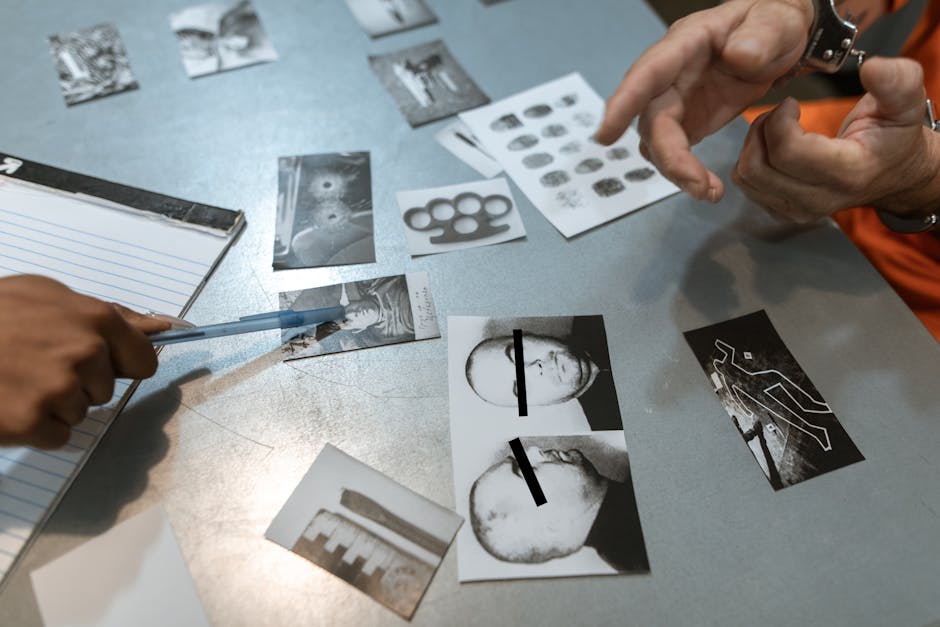
Modern forensic science has transformed how investigators approach haunted locations. Techniques such as fingerprint analysis, DNA testing, and environmental monitoring allow for a more thorough examination of physical evidence. For example, unexplained noises or cold spots can now be measured with sensitive equipment, ruling out drafts or faulty wiring as potential causes. This shift from subjective interpretation to objective analysis has helped debunk many myths while also highlighting cases that remain genuinely puzzling.
High-resolution cameras, audio recorders, and electromagnetic field (EMF) meters have become standard tools in the field. These devices can capture data that would have been missed by earlier investigators, providing a more complete picture of alleged hauntings. The ability to review recordings frame by frame or analyze sound waves in detail has led to new insights and, in some cases, surprising discoveries.
Despite these advances, the human element remains crucial. Investigators must balance skepticism with open-mindedness, recognizing that not every unexplained event has a simple solution. Personal experiences still play a role in shaping investigations, particularly when witnesses are credible and consistent in their accounts. The challenge lies in integrating these narratives with scientific findings to arrive at conclusions that are both respectful and evidence-based.
Famous Hauntings Revisited with Forensics
Several high-profile hauntings have been re-examined using modern forensic techniques, often with intriguing results. The Amityville Horror case is one example where forensic analysis has challenged the original narrative. Investigators used environmental sensors and structural assessments to demonstrate that many reported phenomena could be attributed to natural causes such as settling foundations and drafts (snopes.com).
The Enfield Poltergeist case in London also underwent renewed scrutiny. Audio recordings were subjected to spectral analysis, revealing that some of the supposed ghostly voices were likely produced by the children involved. However, not all incidents could be explained away, leaving room for continued debate among researchers and skeptics alike.
In the case of the Myrtles Plantation in Louisiana, forensic historians analyzed historical records and property documents to clarify discrepancies in the reported deaths and tragedies associated with the site (nola.com). This approach revealed that many elements of the haunting legend were embellishments or outright fabrications added over time.
While some cases have been largely debunked through careful analysis, others remain unresolved. The Winchester Mystery House continues to attract attention due to its labyrinthine design and persistent reports of paranormal activity. Forensic architects have studied the building’s construction for clues but have yet to provide definitive answers regarding its haunted reputation.
Forensic Tools and Methods Used in Paranormal Investigations
Investigators today rely on a range of forensic tools to gather evidence at purportedly haunted sites. These methods are designed to detect environmental anomalies, capture physical evidence, and document events as objectively as possible. The following table summarizes some commonly used forensic tools and their applications:
| Tool/Method | Purpose | Typical Findings |
|---|---|---|
| EMF Meters | Detect fluctuations in electromagnetic fields | Identify electrical sources or unexplained spikes |
| Infrared Cameras | Capture temperature variations and visual anomalies | Spot cold spots or moving shadows |
| Audio Recorders | Record unexplained sounds or voices (EVPs) | Analyze for patterns or human interference |
| DNA Testing | Analyze biological material left at scenes | Rule out human contamination or identify sources |
| Environmental Sensors | Monitor humidity, temperature, air quality | Correlate changes with reported phenomena |
The use of these tools has led to a more systematic approach to investigating hauntings. For instance, EMF meters can help distinguish between electrical interference from household wiring and unexplained energy fluctuations. Infrared cameras are particularly useful for identifying temperature drops that might indicate drafts rather than supernatural activity.
Audio recorders play a key role in capturing electronic voice phenomena (EVP), which are often cited as evidence of ghostly communication. By analyzing these recordings with specialized software, investigators can filter out background noise and identify patterns that may suggest human origin or technical glitches rather than paranormal sources.
The integration of DNA testing into paranormal investigations is relatively new but has already proven valuable in ruling out contamination or identifying biological traces left by previous occupants or animals. Environmental sensors provide additional context by tracking changes in temperature, humidity, and air quality that could explain some physical sensations reported by witnesses.
The Ongoing Debate: Science vs. Belief
The application of modern forensics to hauntings has sparked debate among believers, skeptics, and scientists alike. Some argue that no amount of scientific scrutiny can fully explain experiences that are deeply personal or rooted in cultural traditions. Others maintain that rigorous investigation is essential for separating genuine mysteries from misinterpretations or hoaxes.
A common challenge is the subjective nature of paranormal experiences. Personal accounts often involve emotions such as fear or grief, which can influence perception and memory. Forensic investigators must remain sensitive to these factors while maintaining objectivity in their analysis.
Despite advances in technology and methodology, there are still cases where evidence remains inconclusive. This ambiguity fuels ongoing interest in haunted locations and keeps the conversation alive within both scientific and paranormal communities.
- Cultural context: Local beliefs often shape how hauntings are interpreted.
- Media influence: Television shows and movies can amplify expectations around paranormal events.
- Skepticism vs. open-mindedness: Investigators must balance critical thinking with respect for witness experiences.
- Evolving technology: New tools continue to refine our understanding but rarely provide absolute answers.
The interplay between belief and science ensures that hauntings remain a topic of fascination. While forensic methods can clarify many mysteries, they also highlight the limits of current knowledge and the enduring power of human imagination.
The study of famous hauntings through modern forensics reveals both the strengths and limitations of scientific inquiry when applied to age-old mysteries. While many claims can be explained through careful analysis and advanced technology, some questions persist, inviting further exploration from curious minds. The blend of history, culture, and science ensures that this field will continue to evolve, offering new insights for those willing to look beyond the surface. Whether you approach these stories as a skeptic or a believer, there is always more to discover about the unknown forces that shape our collective imagination.