Decoding The Alligators in the Sewers Tale
The story of alligators lurking in the sewers has fascinated and unsettled people for decades. While the image of massive reptiles slithering beneath city streets is a staple of urban legend, its origins and persistence reveal much about how myths spread and evolve. This tale, often associated with New York City, has been retold in books, newspapers, and even movies, blurring the line between fact and fiction.
Understanding the roots of the alligators-in-the-sewers myth requires examining historical records, media reports, and cultural shifts. The story’s endurance is not just a matter of entertainment; it reflects societal anxieties, environmental misunderstandings, and the power of storytelling. By tracing its development and exploring why it resonates, we can better appreciate how urban legends take hold and influence public perception.
Origins of the Sewer Alligator Legend
The earliest references to alligators in urban sewers date back to the early 20th century. Newspaper archives from the 1930s, such as nytimes.com, reported incidents where small alligators were allegedly found in New York City’s sewer system. One widely cited event occurred in February 1935, when teenagers claimed to have pulled a seven-foot alligator from a Harlem manhole. The story quickly made headlines, fueling public imagination and concern.
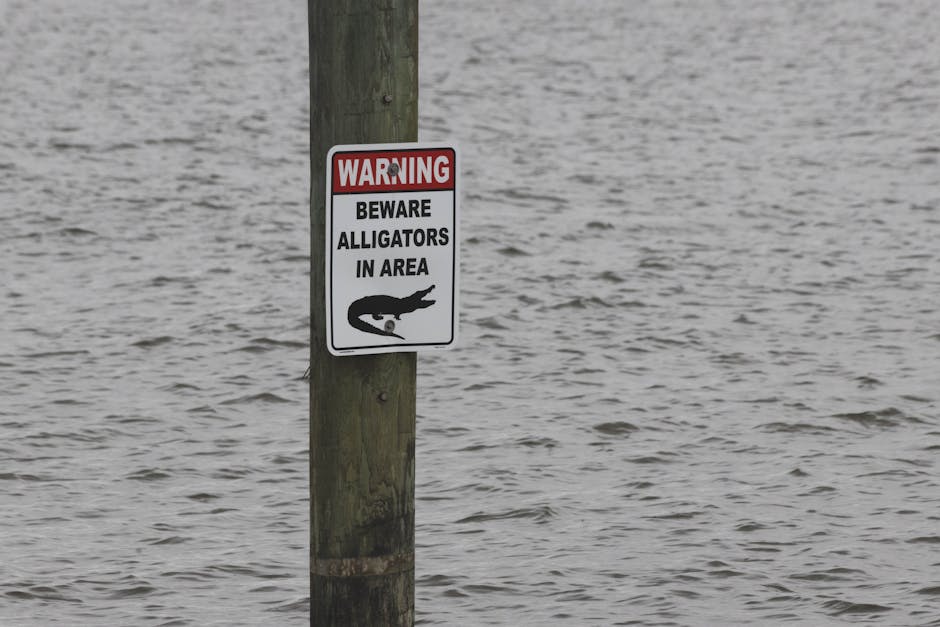
Researchers believe that these reports were often exaggerated or misinterpreted. Some pet owners did keep exotic animals during this period, and it was not uncommon for unwanted pets to be released into local waterways. However, there is little credible evidence that large populations of alligators ever thrived in the cold, dark environment of northern city sewers. Experts like Michael Miscione, Manhattan’s former borough historian, have pointed out that the harsh conditions would make long-term survival impossible for these reptiles.
How the Myth Spread and Evolved
The sewer alligator story gained momentum through repeated media coverage and word-of-mouth retellings. By the mid-20th century, it had become a fixture in American folklore. The legend was further popularized by books such as Robert Daley’s 1959 “The World Beneath the City,” which recounted sensational tales of sewer workers encountering giant reptiles below Manhattan.
- Radio and television programs amplified the myth with dramatic reenactments.
- Children’s literature and comic books featured alligator-infested sewers as thrilling backdrops.
- Movies like “Alligator” (1980) brought the legend to a new generation, blending horror with urban fantasy.
This constant exposure cemented the story in popular culture. Even city officials occasionally referenced the myth in jest or as cautionary tales about illegal pet ownership.
Scientific Perspective: Could Alligators Survive in Sewers?
Despite persistent rumors, herpetologists and wildlife experts agree that New York’s climate and sewer conditions are inhospitable to alligators. These reptiles are native to warm, swampy environments found in the southeastern United States. Sewers in cities like New York are cold, dark, and lack sufficient food sources for large reptiles to survive for extended periods.
According to the Florida Fish and Wildlife Conservation Commission (myfwc.com), alligators require temperatures above 70°F (21°C) to remain active and healthy. Prolonged exposure to cold water can lead to lethargy or death. Additionally, the chemicals and waste present in urban sewers would pose significant health risks to any animal not adapted to such an environment.
While isolated incidents of small alligators being found in northern cities have occurred (usually traced back to escaped or released pets) there is no documented case of a breeding population surviving underground in these conditions.
Cultural Impact and Symbolism
The enduring appeal of sewer alligator stories lies partly in their symbolism. They tap into fears about what lurks beneath the surface, both literally and metaphorically. Urban legends like this one serve as cautionary tales about environmental neglect, irresponsible pet ownership, and the unknown dangers of city life.
In New York City, the myth has become part of local identity. Souvenir shops sell alligator-themed merchandise, and tour guides sometimes reference the legend when discussing city history. The story also appears in broader discussions about urban wildlife management and invasive species control.
- The tale is used in educational campaigns warning against releasing exotic pets into local ecosystems.
- It has inspired art installations, graffiti, and even themed events celebrating urban folklore.
- Pop culture references keep the myth alive for new generations.
Modern Investigations and Debunking Efforts
Contemporary researchers and journalists have worked to separate fact from fiction regarding sewer alligators. Investigations by outlets such as snopes.com have consistently found no evidence supporting claims of thriving alligator populations beneath major cities. Most reports are traced back to hoaxes, misidentifications, or isolated incidents involving escaped pets.
City agencies occasionally receive calls about unusual animals in sewers or waterways, but these are rare and typically involve smaller species like turtles or snakes. When genuine sightings occur, animal control officers respond quickly to remove non-native animals for public safety.
The persistence of the myth highlights how urban legends adapt over time. Even as scientific evidence debunks key elements of the story, its core themes (mystery, danger, and curiosity) continue to resonate with audiences worldwide.
The story of alligators in the sewers remains one of America’s most enduring urban legends. While rooted in a handful of sensational incidents from nearly a century ago, extensive research shows that these tales are more myth than reality. The legend persists thanks to media amplification, cultural symbolism, and a fascination with hidden dangers beneath city streets. By understanding its origins and ongoing appeal, we gain insight into how stories shape collective memory, even when they stray far from fact.