Why Bloody Mary Still Haunts Sleepovers Today
Few urban legends have endured in popular culture quite like the Bloody Mary ritual. Whispered between friends at sleepovers and recounted in hushed tones at school, the story of Bloody Mary has become a rite of passage for generations of teenagers. Its persistence is not just a testament to the power of folklore but also to the way it taps into universal fears and curiosity. The legend’s blend of supernatural suspense and participatory ritual makes it uniquely suited to the social dynamics of adolescence, where testing boundaries and confronting fears are almost a communal sport. Despite evolving technology and changing entertainment habits, Bloody Mary remains a fixture at gatherings, continuing to spark both dread and fascination.
The Origins and Evolution of the Bloody Mary Legend
The roots of the Bloody Mary legend stretch back centuries, with early versions appearing in European folklore. The ritual (standing before a mirror in a dark room and chanting “Bloody Mary” three times) has evolved over time, but its core elements remain consistent. Historians trace the earliest mirror-based divination rituals to the 16th and 17th centuries, when young women would attempt to glimpse their future husbands by gazing into candlelit mirrors. Over time, these rituals merged with tales of vengeful spirits and tragic figures, eventually morphing into the Bloody Mary story familiar today.
Several theories exist about the real identity behind Bloody Mary. Some suggest connections to historical figures such as Mary I of England, known as “Bloody Mary” for her persecution of Protestants, while others point to local legends or anonymous tragic women whose stories were absorbed into the myth. The story’s adaptability has allowed it to persist across cultures and generations, with each retelling adding new details or variations.
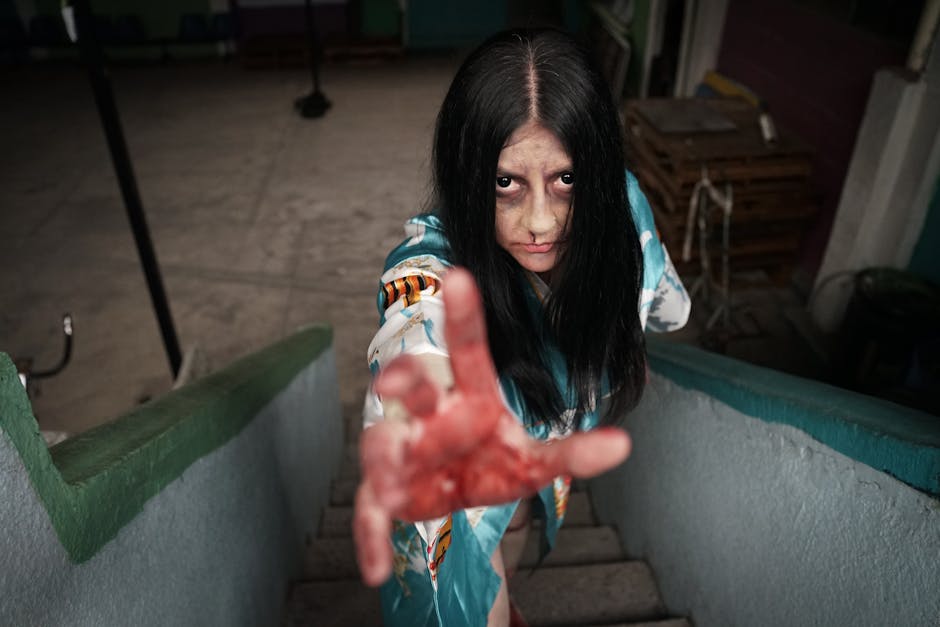
By the mid-20th century, the legend had become firmly embedded in American folklore, thanks in part to its spread through oral tradition and later through books on urban legends. The ritual’s simplicity (requiring only a mirror and a dark room) made it accessible to children and teens everywhere, regardless of background or location.
| Era | Key Features |
|---|---|
| 16th-17th Century | Mirror divination rituals for marriage predictions |
| 19th Century | Incorporation of tragic female spirits in folklore |
| 20th Century | Modern Bloody Mary ritual emerges in North America |
| 21st Century | Continued popularity through digital media and pop culture |
Psychological Appeal: Why Teens Are Drawn to Bloody Mary
The enduring popularity of Bloody Mary at sleepovers can be traced to several psychological factors. Adolescence is a period marked by exploration, risk-taking, and a fascination with the unknown. The Bloody Mary ritual offers a controlled environment for confronting fear, a way to experience thrills without real danger. This mirrors the appeal of haunted houses or scary movies but adds an interactive element that heightens the emotional stakes.
Group dynamics play a significant role as well. Performing the ritual together fosters a sense of camaraderie and shared experience. The anticipation builds as participants gather in front of the mirror, lights off, hearts pounding. Even skeptics often feel a surge of adrenaline, fueled by the tension in the room and the power of suggestion.
Experts in adolescent psychology note that these experiences can help young people process anxiety and build resilience. According to Dr. Elizabeth Englander, a professor at Bridgewater State University, “Urban legends like Bloody Mary allow kids to explore fear in a safe way, helping them distinguish between real and imagined threats” (nytimes.com).
The Ritual: Variations and Social Dynamics
While the basic premise of Bloody Mary remains consistent, countless variations exist depending on region, group tradition, or even individual creativity. Some versions require spinning around three times while chanting; others involve lighting candles or splashing water on the mirror. These modifications add layers of suspense and personalization to the ritual.
- Chanting “Bloody Mary” three or thirteen times
- Using candles instead of electric lights
- Adding phrases like “I killed your baby” for extra shock value
- Performing the ritual at midnight or during a full moon
- Involving multiple participants for increased drama
The social aspect cannot be overstated. Sleepovers provide an ideal setting: late-night hours, dim lighting, and a group eager for excitement. The ritual often becomes a test of bravery, with participants daring each other to go first or mocking those who back out. The line between belief and skepticism blurs as nerves take over, leading to memorable moments that are recounted long after the night ends.
Personal memories often play into this dynamic. Many adults recall their own childhood experiences with Bloody Mary (whether they participated willingly or were peer-pressured into it) as formative moments that combined fear, laughter, and bonding.
Cultural Impact: From Folklore to Pop Culture Phenomenon
The Bloody Mary legend has transcended its origins to become a staple in films, television shows, books, and even video games. Its adaptability makes it an attractive subject for storytellers looking to tap into primal fears while offering fresh twists on a familiar theme. Movies like “Urban Legend” (1998) and TV episodes from series such as “Supernatural” have introduced new audiences to the ritual, often amplifying its horror elements for dramatic effect.
This cultural saturation reinforces the legend’s staying power. Each new adaptation introduces different details or interpretations, keeping the story relevant for new generations. Social media platforms have also played a role, with viral videos and challenges breathing new life into old rituals.
Academic research on urban legends highlights how these stories serve as cultural barometers, reflecting societal anxieties and shifting norms (smithsonianmag.com). In this sense, Bloody Mary is more than just a party game, it’s a living piece of folklore that evolves alongside its audience.
The Science Behind Mirror-Based Superstitions
The use of mirrors in supernatural rituals is not unique to Bloody Mary; mirrors have long been associated with mystery and superstition across cultures. Psychologists suggest that staring into a mirror in low light can lead to visual distortions known as the “strange-face illusion.” This phenomenon occurs when sensory deprivation causes the brain to misinterpret facial features, sometimes resulting in eerie or ghostly images.
A 2010 study led by Dr. Giovanni Caputo at the University of Urbino demonstrated that participants who gazed at their own reflections in dim lighting often reported seeing monstrous or unfamiliar faces (scientificamerican.com). This effect is heightened by group suggestion and expectation, key ingredients in any sleepover ritual.
Understanding this psychological basis does not necessarily diminish the thrill; if anything, it adds another layer of intrigue for those interested in both science and superstition. The interplay between perception and belief ensures that even skeptics can find themselves momentarily unsettled during the ritual.
Why Bloody Mary Endures: Technology, Tradition, and Timeless Fear
Despite dramatic changes in entertainment options over recent decades (from streaming services to immersive video games) the Bloody Mary ritual persists. Its continued relevance can be attributed to several factors. First, it requires no special equipment or preparation; anyone with access to a mirror can participate. Second, it taps into timeless themes: fear of the unknown, curiosity about death and the supernatural, and the thrill of shared experience.
The legend also benefits from its adaptability. Whether told around a campfire or shared via TikTok challenge, Bloody Mary evolves with each generation while retaining its essential elements. This flexibility ensures that it remains accessible and engaging even as cultural tastes shift.
Personal experience reinforces this endurance. Many adults who once participated in Bloody Mary rituals now recount those memories with nostalgia, sometimes even introducing their own children to the tradition as a way to bond over shared scares.
Reflections on Fear, Community, and Growing Up
The Bloody Mary legend continues to fascinate because it sits at the intersection of fear, curiosity, and social connection. It provides a safe space for young people to test their limits, confront their anxieties, and forge lasting bonds with peers through shared experience. The ritual’s simplicity ensures its accessibility while its adaptability keeps it fresh for each new generation.
As long as there are mirrors (and groups of friends eager for adventure) Bloody Mary will likely remain a fixture at sleepovers. Its enduring presence is less about supernatural belief than about what it reveals regarding human nature: our desire for connection, our fascination with mystery, and our need to occasionally scare ourselves just enough to feel alive.